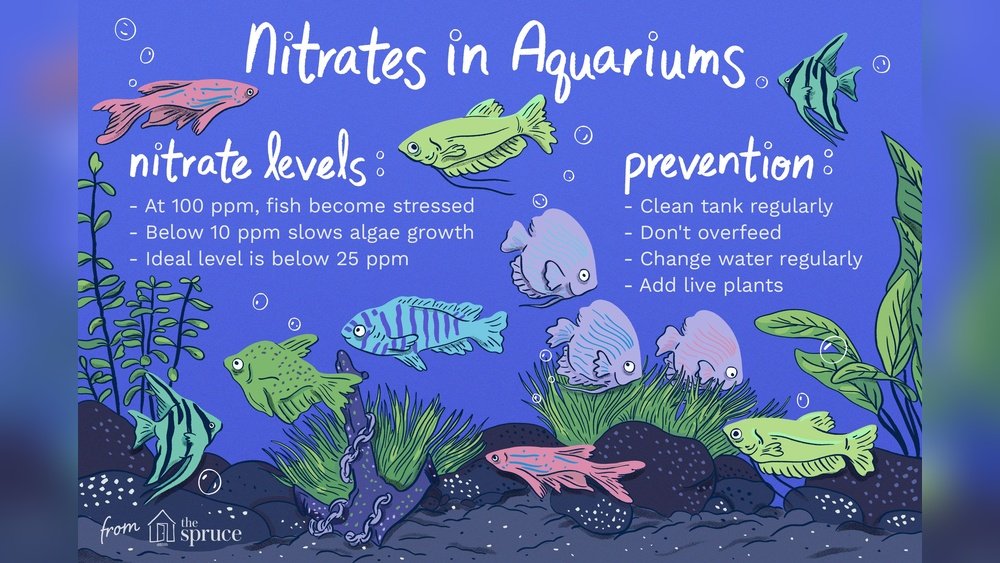
If you want a healthy, vibrant aquarium, controlling nitrates is key. High nitrate levels can stress your fish, promote unwanted algae, and harm the overall balance of your tank.
But how do you keep nitrates low without spending hours on maintenance or risking your aquatic pets’ well-being? This guide is made for you. Here, you’ll discover simple, effective ways to reduce nitrates in your aquarium so your fish thrive and your tank stays crystal clear.
Keep reading, and you’ll learn how small changes can make a big difference in your underwater world.
Credit: www.youtube.com
Nitrate Sources In Aquariums
Nitrates build up in aquariums from several common sources. Understanding these sources helps control nitrate levels and keep fish healthy. Nitrates mainly form when organic waste breaks down inside the tank. This waste comes from fish, uneaten food, plants, and water quality. Knowing where nitrates come from is the first step in reducing them.
Fish Waste And Overfeeding
Fish produce waste that contains ammonia. Beneficial bacteria convert ammonia first to nitrites and then to nitrates. Overfeeding fish adds more waste because extra food turns into more ammonia. Excess food also rots, adding to nitrate levels. Feeding the right amount prevents waste buildup and lowers nitrate production.
Uneaten Food And Decaying Plants
Uneaten food settles at the tank bottom and decays. This process releases ammonia, which then becomes nitrates. Dead or decaying plants also add organic matter to the water. This organic matter breaks down and increases nitrate concentration. Removing leftover food and dead plants reduces nitrate buildup.
Dirty Filters And Tank Maintenance
Filters trap waste but need regular cleaning. If filters get clogged, trapped waste decomposes inside. This decomposition adds to nitrate levels. Poor tank maintenance means more waste stays in the water longer. Cleaning filters and changing water regularly keeps nitrate levels in check.
Tap Water And External Contaminants
Tap water may contain nitrates depending on the source. Using untreated tap water adds nitrates to the aquarium. External contaminants like dust or debris can also introduce organic matter. Testing tap water before use helps avoid adding nitrates. Using water conditioners or purified water lowers nitrate input from outside.
Effects Of High Nitrate Levels
High nitrate levels in an aquarium cause several serious problems. These issues affect fish health, water quality, and the overall balance of the tank. Understanding these effects helps aquarium owners maintain a healthier environment for their aquatic pets.
Impact On Fish Health
High nitrates stress fish and weaken their immune systems. This makes fish more prone to diseases and infections. Prolonged exposure can cause slow growth and reduce lifespan. Some fish species are more sensitive and may show signs of distress quickly. Watching for behavior changes helps detect nitrate problems early.
Algae Growth And Water Clarity
Excess nitrates feed algae, causing rapid algae growth. This leads to green, cloudy water that spoils the tank’s appearance. Algae can cover decorations, plants, and glass surfaces. Thick algae layers reduce light reaching live plants. This harms plant health and disrupts the aquarium’s natural balance.
Long-term Tank Ecosystem Damage
Over time, high nitrates damage beneficial bacteria and plants. This breaks down the nitrogen cycle, reducing water quality. Dead plants and stressed fish add more waste, creating a harmful cycle. The tank’s ecosystem becomes unstable and harder to maintain. Regular nitrate control is essential for a thriving aquarium.
Water Changes And Maintenance
Maintaining clean water is crucial to keep nitrate levels low in an aquarium. Regular water changes and proper maintenance help remove nitrates and other harmful substances. These tasks also create a healthier environment for fish and plants. Consistency is key to preventing nitrate buildup over time.
Frequency And Volume Of Water Changes
Changing aquarium water often helps reduce nitrate concentrations. A good rule is to replace 10-20% of the water weekly. Larger water changes can be done monthly if needed. Small, frequent changes prevent sudden stress on fish. Using dechlorinated water at the right temperature is important. This keeps fish safe and supports beneficial bacteria.
Proper Filter Cleaning Techniques
Filters trap waste but need regular cleaning to stay effective. Rinse filter media gently in tank water to keep bacteria alive. Avoid using tap water directly as chlorine can kill beneficial microbes. Clean filter parts monthly or when flow slows down. Replace filter cartridges only as recommended by the manufacturer. Well-maintained filters reduce nitrate buildup efficiently.
Gravel Vacuuming And Debris Removal
Waste collects in the gravel and should be removed regularly. Use a gravel vacuum during water changes to clean the substrate. This removes uneaten food, fish waste, and other debris. Cleaning the gravel prevents decay that raises nitrate levels. Focus on areas with heavy waste accumulation. Regular debris removal supports a balanced, healthy aquarium ecosystem.
Controlling Feeding Habits
Controlling feeding habits plays a key role in reducing nitrates in your aquarium. Fish produce waste from leftover food, which breaks down into nitrates. Feeding less helps limit this waste and keeps nitrate levels low. Careful feeding also supports fish health and water quality.
Feeding Appropriate Amounts
Feed only what your fish can eat in a few minutes. Uneaten food sinks and decays, raising nitrate levels. Observe your fish during feeding to avoid overfeeding. Small, frequent meals work better than one large meal. Adjust portions based on fish size and species.
Choosing High-quality Fish Food
Pick fish food that is nutritious and easy to digest. High-quality food produces less waste, lowering nitrate buildup. Avoid cheap foods with fillers that pollute water. Use pellets or flakes designed for your fish type. This helps maintain clean water and healthy fish.
Feeding Schedules For Nitrate Control
Create a regular feeding schedule for consistency. Feeding at the same time each day reduces stress for fish and controls waste. Avoid feeding late at night when fish eat less. Limit feeding to once or twice daily, depending on fish needs. Consistent schedules help manage nitrate production effectively.
Using Live Plants To Lower Nitrates
Live plants play a vital role in reducing nitrates in aquariums. They absorb nitrates as nutrients for growth, cleaning the water naturally. Using live plants creates a balanced ecosystem that helps maintain healthy nitrate levels. Plants compete with algae for nutrients, preventing algae overgrowth. This natural process keeps aquarium water clear and safe for fish.
Types Of Nitrate-absorbing Plants
Some plants are better at absorbing nitrates than others. Fast-growing plants like hornwort, water sprite, and duckweed take up nitrates quickly. Rooted plants such as Amazon sword and java fern absorb nitrates from the substrate. Floating plants like salvinia and frogbit also help by shading the water and absorbing nutrients. Choose a mix of these plants for effective nitrate control.
Plant Care For Optimal Nitrate Uptake
Healthy plants absorb more nitrates. Provide sufficient light depending on the plant species. Use aquarium fertilizers carefully to support plant growth. Regular trimming encourages new growth and nitrate absorption. Keep water temperature and pH stable for plant health. Remove dead or decaying leaves to avoid extra waste in the tank.
Balancing Plants With Fish Population
Fish produce nitrates through waste. Plants must match the fish load to absorb these nitrates effectively. Overstocking fish can overwhelm plants and raise nitrate levels. Maintain a balanced fish population for stable nitrate control. Monitor nitrate levels regularly and adjust the number of plants or fish as needed. A well-balanced aquarium supports both plant and fish health.

Credit: www.youtube.com
Advanced Nitrate Reduction Methods
Advanced nitrate reduction methods offer effective ways to keep aquarium water clean and safe. These techniques go beyond basic water changes and simple filtration. They target nitrate removal at different stages of the tank’s ecosystem. Applying these methods helps maintain a balanced environment for fish and plants.
Nitrate-removing Filters And Media
Special filters and media can reduce nitrates directly. These products use chemical or biological processes to trap or convert nitrates. Some popular media include resin beads and bio-pellets. They fit inside filter compartments and work continuously. Regular replacement or regeneration is necessary to keep them effective.
Algae Scrubbers And Refugiums
Algae scrubbers grow algae that consume nitrates as food. This algae is then removed, taking nitrates out of the system. Refugiums are separate tank areas that host plants or algae for nitrate absorption. They also provide a safe space for beneficial organisms. Both methods reduce nitrate levels naturally and improve water quality.
Biological Filtration And Bacteria Boosters
Biological filtration uses good bacteria to break down nitrate compounds. These bacteria convert nitrates into harmless nitrogen gas. Adding bacteria boosters speeds up this process. Boosters contain live bacteria that multiply quickly in the filter. This enhances the tank’s natural ability to control nitrates effectively.
Testing And Monitoring Nitrate Levels
Keeping nitrate levels low is essential for a healthy aquarium. Testing and monitoring nitrate levels help detect problems early. Regular checks protect fish and plants from harmful nitrate buildup. You can maintain clear water and a balanced environment with proper testing.
Choosing The Right Test Kits
Select a test kit that is easy to use and reliable. Liquid test kits offer accurate readings and clear color changes. Test strips provide quick results but may be less precise. Choose kits designed specifically for aquarium nitrates. Check the expiration date to ensure accuracy. Keep spare kits on hand for regular testing.
Interpreting Test Results
Understand what the nitrate levels mean for your tank. Safe nitrate levels usually stay below 20 ppm for freshwater tanks. Levels above 40 ppm can stress fish and plants. High nitrate readings call for immediate action, like water changes. Record test results to track changes over time. Use results to adjust feeding and maintenance routines.
Routine Monitoring For Stable Conditions
Test nitrate levels at least once a week. Frequent monitoring helps spot rising nitrates before they harm the tank. Combine testing with regular water changes and filter cleaning. Keep a log of nitrate levels and maintenance activities. Consistent monitoring leads to a stable and healthy aquarium.
Preventing Nitrate Buildup
Preventing nitrate buildup is key to keeping your aquarium healthy. Nitrates come from fish waste, uneaten food, and decaying plants. Over time, they can harm fish and plants if levels get too high. Taking steps to stop nitrates from rising helps maintain clean water and happy aquatic life.
Avoiding Overstocking
Too many fish produce excess waste. This increases nitrate levels quickly. Keep fish numbers suitable for your tank size. A less crowded tank reduces waste buildup. It also lowers stress for your fish. Choose fish that fit well together and space.
Establishing A Balanced Nitrogen Cycle
The nitrogen cycle transforms harmful ammonia into less harmful nitrates. Beneficial bacteria break down fish waste in this process. Establishing a strong bacterial colony is essential. Use good quality filter media and let it mature. This keeps ammonia and nitrite low, reducing nitrate spikes.
Regular Tank Inspections And Adjustments
Check your tank often for signs of waste buildup. Look for leftover food, dead plants, or cloudy water. Clean the substrate and filter as needed. Adjust feeding amounts to avoid excess food. Frequent water tests help track nitrate levels. Small, regular changes prevent big problems later.

Credit: www.algone.com
Frequently Asked Questions
What Causes High Nitrates In Aquariums?
High nitrates in aquariums result from overstocking, overfeeding, infrequent water changes, dirty filters, and decaying organic matter.
What Neutralizes Nitrates In Water?
Biological filtration with beneficial bacteria and live plants effectively neutralizes nitrates in water. Regular water changes also reduce nitrate levels.
What Is The Fastest Way To Reduce Nitrites?
The fastest way to reduce nitrites is performing frequent partial water changes. Adding live plants also helps absorb nitrites quickly. Using biological filtration boosts beneficial bacteria that convert nitrites into less harmful nitrates. Avoid overfeeding and maintain a clean filter to prevent nitrite spikes.
How Long Does It Take For Nitrate Levels To Go Down In An Aquarium?
Nitrate levels in an aquarium usually drop within a few days after a water change. Regular maintenance speeds this process. Adding live plants and improving filtration also helps reduce nitrates faster.
Conclusion
Reducing nitrates keeps your aquarium healthy and fish happy. Regular water changes remove waste and lower nitrate levels. Avoid overfeeding and overstocking to prevent excess nitrate buildup. Clean filters often to stop waste from breaking down inside. Adding live plants helps absorb nitrates naturally.
Test your tap water before using it for changes. Small steps make a big difference over time. A clean tank means clearer water and healthier fish. Keep these habits consistent for lasting results. Your aquarium will thrive with proper nitrate control.