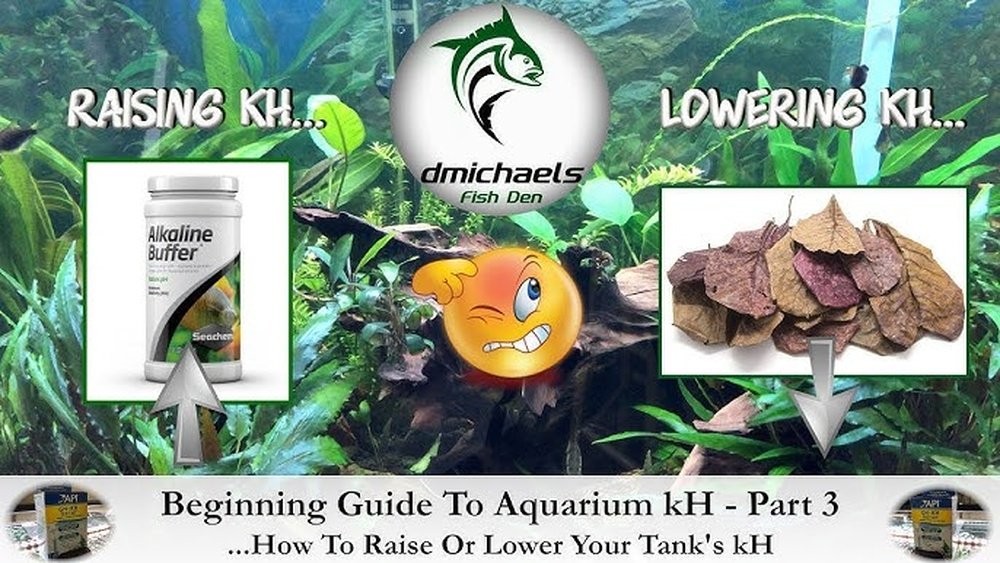
If you’ve ever tested your aquarium water and found the KH (carbonate hardness) to be lower than ideal, you’re not alone. Maintaining the right KH level is crucial for keeping your aquatic environment stable and healthy.
Low KH can cause sudden pH swings that stress your fish and plants, making it harder for them to thrive. But don’t worry—raising KH in your aquarium is easier than you might think. In this guide, you’ll discover simple, effective ways to boost KH safely, so your tank stays balanced and your aquatic life stays happy.
Ready to take control of your aquarium’s water chemistry? Let’s dive in.
Role Of Kh In Aquariums
KH plays a vital role in maintaining a healthy aquarium environment. It helps keep water chemistry stable and supports aquatic life. Understanding KH is key to managing water quality effectively. Many aquarists overlook its importance, but KH impacts pH balance and overall tank health. Proper KH levels protect fish and plants from sudden changes that cause stress or illness.
What Kh Measures
KH stands for carbonate hardness. It measures the amount of carbonate and bicarbonate ions in water. These ions act as a buffer, preventing sudden pH shifts. KH is different from GH, which measures total minerals. Testing KH gives insight into water’s ability to resist acid changes. A stable KH means a more balanced aquarium environment.
Impact On Ph Stability
KH stabilizes pH levels by neutralizing acids in the water. Without enough KH, pH can swing quickly. These swings harm fish and plants. A steady pH helps maintain healthy biological processes. Low KH often leads to acidic water, stressing tank inhabitants. Keeping KH in the right range reduces pH fluctuations and creates a safer habitat.
Relation To Fish And Plant Health
Fish need stable water conditions to thrive. Too low KH causes stress and weakens their immune system. Some species require specific KH levels for proper metabolism. Plants also benefit from balanced KH, as it affects nutrient availability. Proper KH supports growth and vibrant colors. Monitoring KH helps prevent diseases and promotes a lively aquarium.

Credit: www.aquariumcoop.com
Common Causes Of Low Kh
Low KH, or carbonate hardness, can cause unstable water conditions in aquariums. It affects the pH balance and the health of fish and plants. Several factors can lead to a drop in KH levels. Identifying these causes helps maintain a stable and healthy aquarium environment.
Decaying Organic Matter
Uneaten food, dead plants, and fish waste decay in the tank. This decay produces acids that break down carbonate hardness. Over time, these acids lower the KH level. Removing leftover food and cleaning the tank often helps prevent this issue.
Tannins And Humic Acids
Leaves like Indian almond and peat release tannins and humic acids during decomposition. These acids reduce KH by neutralizing carbonate hardness. Tannins also cause water to turn yellow or brown but are safe in moderation. Regular water testing can track KH changes.
Use Of Low-mineral Water
Water sources like reverse osmosis (RO) or distilled water contain very few minerals. These waters have little to no carbonate hardness. Using them without remineralizing lowers KH in the aquarium. Adding mineral supplements can balance KH levels effectively.
Acidic Substrates
Certain substrates, such as aquasoils, absorb carbonates from the water. This absorption reduces the KH level over time. Acidic substrates may benefit some plants but can lower KH too much. Choosing the right substrate is crucial for maintaining water hardness.
Insufficient Water Changes
Regular water changes replenish minerals and remove acids in the aquarium. Skipping or delaying changes lets acids build up, lowering KH. Consistent water changes keep KH stable and support a healthy tank environment. Aim for scheduled water maintenance routines.
Testing Kh Levels
Testing KH levels in your aquarium is important for maintaining stable water conditions. KH, or carbonate hardness, helps buffer the water against sudden pH changes. Regular testing ensures the KH remains within the ideal range for your fish and plants. Understanding how to test KH accurately supports healthy aquarium life.
Choosing The Right Test Kit
Select a KH test kit that is easy to use and reliable. Liquid test kits are popular for their accuracy. Strips can be faster but sometimes less precise. Look for kits designed specifically for aquarium use. Check reviews and choose one with clear instructions.
How To Perform Accurate Tests
Start with clean, sample water from your aquarium. Follow the test kit instructions carefully. Use the exact amount of water and reagents. Shake or stir the sample as directed. Compare color changes to the chart provided. Record the results for future reference.
Frequency Of Testing
Test your aquarium water once a week at minimum. More frequent tests help catch sudden changes early. Test after adding new fish or changing water. Testing after adding KH buffers or chemicals is also wise. Regular testing keeps your aquarium safe and stable.
Credit: www.youtube.com
Methods To Raise Kh
Maintaining proper KH (carbonate hardness) is vital for aquarium health. Low KH can cause unstable pH levels, stressing fish and plants. Several methods exist to safely raise KH in your tank. Choose the right one based on your aquarium setup and water type.
Using Baking Soda
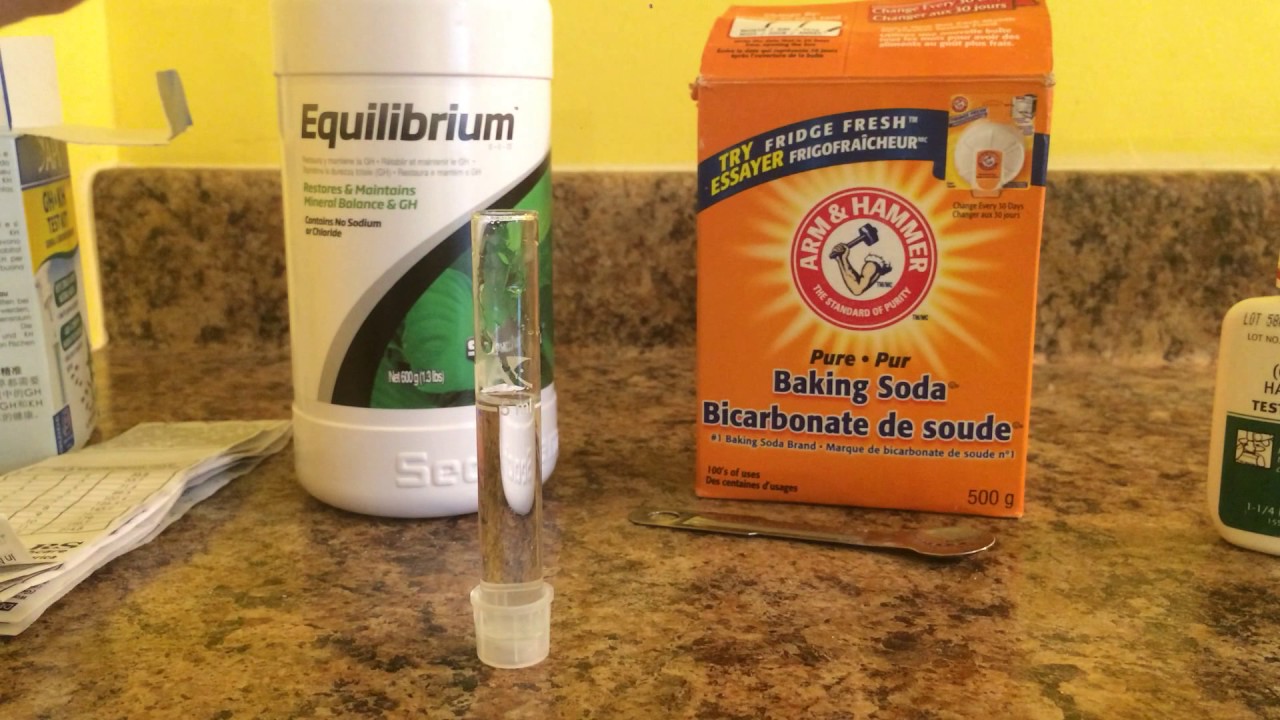
Baking soda is a simple, cost-effective way to raise KH. It quickly adds carbonate ions to the water. Use 1 teaspoon per 50 gallons to raise KH by about 3 dKH. Dissolve baking soda in water before adding it to the tank. Add slowly to avoid sudden pH changes. Test the water frequently to monitor KH levels.
Alkalinity Buffers
Alkalinity buffers are commercial products designed to raise KH safely. They contain carbonate and bicarbonate compounds. These buffers stabilize pH while increasing KH. Follow the product instructions carefully for dosage. Buffers are convenient for gradual KH adjustment. They help maintain a balanced environment for sensitive fish.
Adding Crushed Coral Or Limestone
Crushed coral or limestone slowly dissolves, releasing carbonates. Place it in the filter or substrate to raise KH naturally. This method provides a steady supply of alkalinity. It works best for marine or African cichlid tanks. Monitor KH regularly to avoid over-hardening the water. It also helps maintain stable pH over time.
Using Commercial Kh Boosters
Commercial KH boosters are formulated to increase carbonate hardness quickly. They come in liquid or powder form. These products offer precise control over KH levels. Use them when fast correction is necessary. Always test water after dosing to prevent overcorrection. Choose boosters that suit your aquarium’s specific needs.
Adding Baking Soda Safely
Adding baking soda is a common way to raise KH in an aquarium. It helps stabilize water chemistry and protects fish from harmful pH swings. Doing this safely is important to keep your tank environment healthy. Follow simple steps to avoid stress on your aquatic life.
Calculating Correct Dosage
Start by measuring your tank’s volume accurately. Use a KH test kit to know the current level. Baking soda raises KH by about 1 dKH per 1 teaspoon per 50 gallons. Calculate the amount needed based on your tank size and desired KH increase. Always use small doses and repeat if necessary.
Dissolving And Adding Slowly
Never add dry baking soda directly to the tank. First, dissolve it in a small amount of aquarium water. Stir well until fully dissolved. Add the solution slowly to the aquarium, spreading it out over time. This reduces stress on fish and plants by avoiding sudden changes.
Monitoring Ph Changes
After adding baking soda, check the pH levels regularly. Baking soda can raise pH along with KH. Keep an eye on the water’s pH to ensure it stays within a safe range for your fish. Adjust dosage or add water changes if the pH rises too much.
Avoiding Rapid Fluctuations
Rapid KH or pH changes can harm fish and beneficial bacteria. Add baking soda in small doses and wait 24 hours between additions. Perform partial water changes to buffer changes naturally. Steady water chemistry supports a healthy and stable aquarium.
Credit: buceplant.com
Alternatives To Baking Soda
Raising KH in an aquarium does not always mean using baking soda. Several other options help maintain stable carbonate hardness. These alternatives can suit different types of tanks and water conditions. Choosing the right method depends on your aquarium’s needs and the species you keep.
Kh Buffer Products
KH buffer products are specially made to raise carbonate hardness. They contain carbonate and bicarbonate ions that stabilize pH levels. These products dissolve easily and work quickly. Many come with clear instructions for safe use. They are ideal for aquarists seeking a simple, controlled way to increase KH.
Natural Materials For Buffering
Natural materials like crushed coral and limestone slowly release carbonates into the water. These materials provide a steady increase in KH over time. Adding them to your filter or substrate can help maintain hardness without sudden changes. Driftwood and peat, however, tend to lower KH and should be avoided if raising KH is the goal.
Reverse Osmosis Water Considerations
Reverse osmosis (RO) water has almost no minerals, leading to very low KH. When using RO water, adding a buffer is essential to prevent pH swings. You can mix RO water with tap water or add a KH buffer product. This approach ensures your aquarium water remains stable and safe for fish.
Maintaining Stable Kh
Maintaining stable KH (carbonate hardness) in your aquarium is essential for healthy fish and plants. KH acts as a buffer against sudden pH changes. Stable KH protects aquatic life from stressful swings in water chemistry.
Keeping KH steady requires regular care and monitoring. Small habits make a big difference in water quality. Focus on key practices to keep KH balanced and your tank thriving.
Regular Water Changes
Perform water changes at least once a week. Fresh water replenishes carbonate hardness naturally. Use water with a known KH level for consistency. Avoid using pure distilled or reverse osmosis water without additives. These can lower KH and cause instability.
Managing Organic Waste
Remove uneaten food and dead plant matter quickly. Organic waste breaks down and releases acids that reduce KH. Clean substrate and filter media regularly to prevent buildup. A clean tank helps maintain stable KH and water quality.
Balancing Plant And Fish Load
Do not overcrowd your aquarium with fish or plants. Too many fish produce excess waste, lowering KH. Excessive plants can release acids during decay. Keep a balanced number of plants and fish to support stable KH levels.
Troubleshooting Kh Issues
Troubleshooting KH issues in your aquarium helps maintain a healthy environment. KH, or carbonate hardness, stabilizes pH and supports fish well-being. Problems with KH often confuse hobbyists. Understanding common challenges makes correction easier and prevents stress for aquatic life.
High Kh But Low Ph Scenarios
Sometimes, KH levels are high, yet pH remains low. This situation occurs when acids accumulate faster than KH can neutralize them. Decaying organic matter or tannins from leaves cause this acid buildup. Testing both KH and pH regularly reveals these imbalances.
To fix it, remove excess waste and perform partial water changes. Adding buffering agents like crushed coral or commercial KH buffers slowly raises KH and stabilizes pH. Patience is essential, as sudden changes can harm fish.
Kh Fluctuations After Additions
Adding substances to raise KH can cause fluctuations. For example, adding baking soda may spike KH temporarily. Over time, KH can drop if acids remain or biological processes consume carbonates. This creates unstable conditions for aquatic life.
Test KH daily after additions. Adjust doses carefully based on test results. Avoid large, sudden increases. Smaller, frequent doses keep KH steady and reduce stress on fish and plants.
Long-term Kh Stability Tips
Maintaining stable KH over time requires consistent care. Regular water changes replenish minerals and remove acids. Use source water with moderate KH, or treat water before adding it to the tank.
Monitor tank cleanliness to reduce organic decay. Avoid overfeeding, which increases waste and acid production. Consider adding natural buffers like crushed coral in the filter for continuous KH support.
Consistent testing and gradual adjustments create a balanced environment. Fish and plants thrive with steady KH and stable pH levels.
Frequently Asked Questions
What Causes Low Kh In An Aquarium?
Low KH in an aquarium results from acidic byproducts of decaying matter, tannins from leaves, pure water use, acidic substrates, and infrequent water changes.
How Much Baking Soda To Raise Kh In An Aquarium?
Add 1 teaspoon of baking soda per 50 gallons to raise KH by about 1 dKH. Dissolve first and add slowly. Test water regularly to avoid sudden pH changes.
Is 0 Kh Bad For Fish?
0 KH means no carbonate hardness, which can cause unstable pH and stress fish. Maintaining some KH stabilizes water conditions.
What Happens If Kh Is Too Low?
Low KH causes unstable pH, stressing aquatic life. It reduces buffering capacity, leading to harmful acid spikes. Fish and plants may suffer from poor water quality and increased toxicity.
Conclusion
Maintaining proper KH in your aquarium keeps water stable and fish healthy. Test your water regularly to track KH levels. Use baking soda or commercial buffers carefully to raise KH. Avoid sudden changes; adjust slowly to protect your aquatic life.
Clean the tank and do regular water changes to prevent KH drops. Simple steps ensure a balanced environment for your fish and plants. Keep learning and observing your aquarium’s needs for best results.