Finding the perfect watch band size can feel tricky, but it doesn’t have to be. Whether you’re replacing an old strap or buying your first watch, knowing how to measure your watch band size ensures a comfortable fit and sharp look.
If your band is too tight or too loose, it can ruin your entire wearing experience. In this guide, you’ll learn simple, step-by-step methods to measure your watch band size accurately—no guesswork, no frustration. Keep reading, and you’ll never worry about the wrong strap again.
Your watch deserves the perfect fit, and so do you.

Credit: www.mysoapboxkids.com
Measure Lug Width
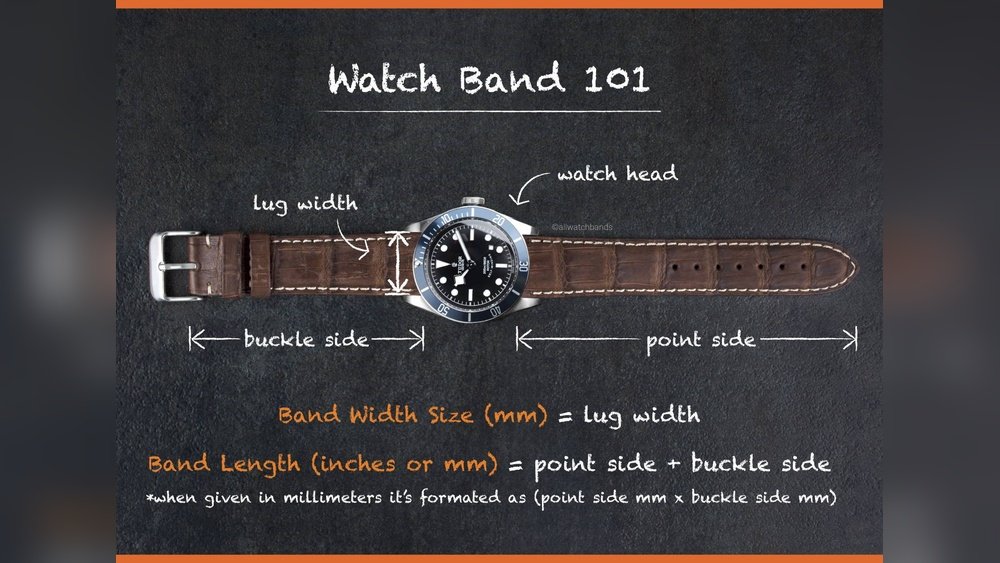
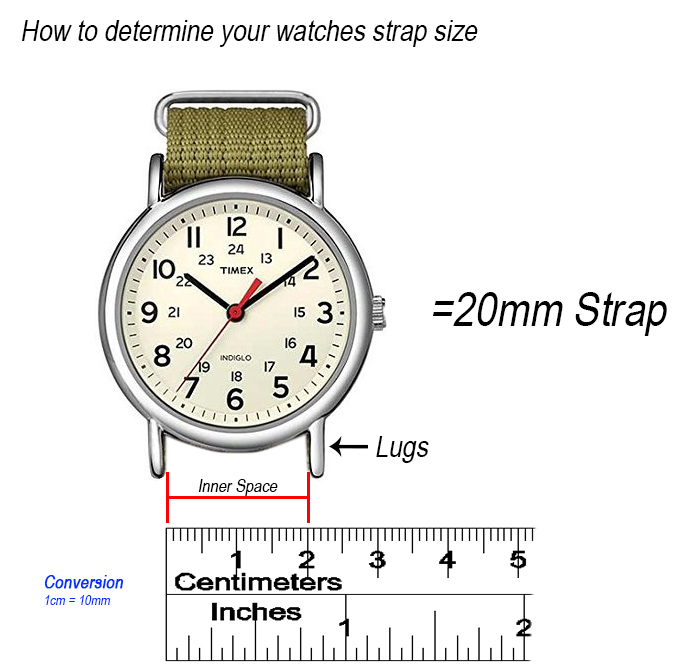
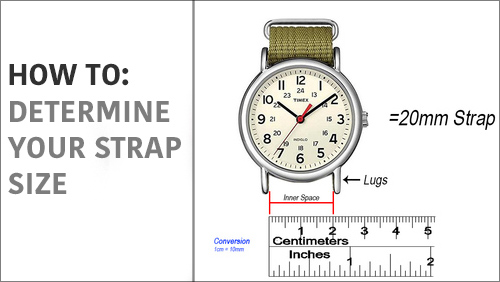
Measuring the lug width is an essential step to find the right watch band size. Lug width is the distance between the two lugs on the watch case. It determines the width of the band that fits perfectly to your watch. Knowing this size helps you buy a band that stays secure and looks good.
The measurement is usually in millimeters. Most watch bands come in standard lug widths. Accurately measuring your watch’s lug width avoids buying the wrong size. Below are two simple ways to measure the lug width correctly.
Use A Ruler Or Calipers
Use a ruler or calipers to measure the inside distance between the lugs. Place the ruler or calipers straight across the gap where the band attaches. Measure from one inner edge to the other. Note the number in millimeters. This is your lug width. Calipers give a more precise measurement than a ruler.
Check Watch Manual
Look for the lug width in your watch manual or user guide. Many manuals list the exact lug width under specifications. This method saves time and ensures accuracy. If you do not have the manual, check the manufacturer’s website. They often provide detailed watch measurements online.
Credit: thewatchprince.com
Measure Wrist Size
Measuring your wrist size is the first step to finding the perfect watch band. A well-fitted band feels comfortable and looks great. Use simple tools and follow easy steps to get an accurate wrist measurement.
Wrap Tape Measure
Take a flexible tape measure. Wrap it around your wrist where the watch will sit. Make sure the tape lies flat against your skin without twists.
Keep Tape Level
Check that the tape measure stays level all around your wrist. An uneven tape gives a wrong size. Keep it parallel to the ground for the best result.
Take Snug Measurement
Pull the tape so it fits snugly but not tight. It should feel comfortable, like wearing a watch. Note the measurement in millimeters or inches.
Calculate Strap Length
Calculating the right strap length is crucial for a comfortable watch fit. It ensures the watch sits securely on your wrist without being too tight or loose. A well-measured strap also enhances the watch’s appearance and your overall style.
Several factors affect the strap length. Knowing these helps you pick the perfect size. Start by measuring your wrist and then adjust for watch features.
Account For Buckle Size
The buckle adds extra length to the strap. Measure the buckle width and thickness. Include this in your total strap length. A bulky buckle needs more strap length. A slim buckle requires less.
Ignoring buckle size can cause discomfort. The strap may feel too short or too long. Measure carefully for the best fit.
Consider Watch Case Thickness
The watch case thickness affects how the strap fits. Thicker cases lift the watch higher off your wrist. This may require a longer strap for comfort. Thinner cases sit closer and need less strap length.
Check the case thickness before finalizing strap length. It helps avoid tightness or awkward gaps. Measure your watch case with a ruler or check the specs online.
Common Band Sizes
Understanding common watch band sizes helps in choosing the perfect fit. Watch bands vary by width and length. These sizes depend on style, gender, and watch type. Knowing typical sizes simplifies finding replacements or upgrades.
Popular Widths For Men’s Watches
Men’s watch bands usually measure between 18mm and 24mm wide. The most common width is 20mm. Larger watches often use 22mm or 24mm bands. These sizes suit big wrists and sporty styles well. A wider band adds a bold look. Narrower bands often appear on dress watches.
Sizes For Women’s Watches
Women’s watch bands tend to be slimmer, from 12mm to 18mm wide. The typical size is around 14mm to 16mm. These widths complement smaller wrists and delicate designs. Thin bands create an elegant and refined appearance. Some women’s watches may have bands as narrow as 10mm.
Smartwatch Band Sizes
Smartwatches use specific band sizes based on the model. Common widths include 20mm, 22mm, and 24mm. Many smartwatches have quick-release pins for easy swapping. Bands often come in adjustable lengths for comfort. Choosing the right width ensures the band fits the watch perfectly.
Choose Band Material
Choosing the right band material matters as much as the size. The material affects comfort, style, and durability. Your daily activities and personal taste guide this choice. Some materials suit formal settings, while others match casual or sporty looks. Picking the right one ensures you enjoy your watch every day.
Leather Options
Leather bands offer a classic, elegant look. They feel soft and comfortable on the skin. Different types include calfskin, alligator, and suede. Leather darkens and softens over time, adding character. These bands work well for office wear or formal events. Avoid water exposure to keep leather in good shape.
Metal Bracelets
Metal bracelets provide strength and a polished look. Stainless steel is the most common choice for durability. Titanium and gold add luxury and lighter weight. Metal bands suit both casual and dressy occasions. Adjust links to fit your wrist perfectly. They resist sweat and water better than leather.
Nylon And Rubber Straps
Nylon and rubber straps excel in comfort and flexibility. Nylon straps are lightweight and easy to clean. They come in many colors and patterns. Rubber straps resist water and sweat, ideal for sports and outdoor use. Both materials dry quickly and handle rough conditions. Perfect for active lifestyles or summer wear.
Adjusting Band Fit
Adjusting the fit of your watch band ensures comfort and security throughout the day. A properly fitted band prevents the watch from sliding or feeling too tight. Different materials and designs require specific methods to achieve the perfect fit. Below are simple steps to adjust various types of watch bands effectively.
Adding Or Removing Links
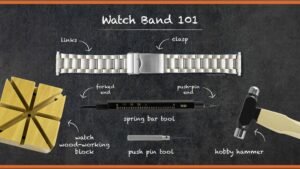
Metal watch bands use links to adjust length. To remove links, locate the small pins holding links together. Use a pin pusher or a small tool to push out these pins carefully. Remove the desired number of links to shorten the band.
Adding links involves reversing the removal process. Insert extra links and secure them with pins. Check the fit by wearing the watch and adjust again if needed. This method works best for metal bands with removable links.
Using Hole Punch For Leather
Leather bands often adjust with holes and a buckle. If the band is too loose, create additional holes using a leather hole punch. Mark the spot where the band fits comfortably.
Carefully punch a hole at the marked spot. Make sure the hole is clean and the right size for the buckle pin. This method offers a quick way to fine-tune leather strap fit without professional help.
Micro-adjustments On Metal Bands
Many metal bands feature micro-adjustment settings on the clasp. These small holes or slots allow minor size changes without removing links. Open the clasp and locate the adjustment holes.
Use a small tool to move the spring bar to a different hole. This shifts the band length slightly for a better fit. Micro-adjustments are ideal for fine-tuning comfort throughout the day.
Tools For Measuring
Measuring your watch band size needs the right tools. These tools help you get an accurate measurement. An accurate size ensures comfort and style. Choose a tool that fits your needs and skill level. Below are common tools used for measuring watch bands.
Calipers
Calipers provide precise measurements. They can measure both inside and outside distances. Digital calipers show measurements clearly on a screen. Manual calipers require reading a scale but work well too. They are ideal for measuring the lug width accurately.
Soft Tape Measure
A soft tape measure is flexible and easy to use. It wraps around your wrist to measure circumference. This tool helps find the right band length. It works well for curved or irregular surfaces. Soft tape measures are common in tailoring and handy for watch sizing.
Ruler
A ruler is a simple and accessible tool. Use a metal or plastic ruler for better accuracy. Measure the distance between lugs or the band width directly. Hold the ruler steady to avoid errors. Though less precise than calipers, it is good for quick checks.
Tips For Perfect Fit
Getting the perfect fit for your watch band is essential for comfort and style. A well-fitted band stays secure without feeling too tight or loose. Small adjustments can make a big difference in how your watch feels throughout the day. Follow these tips to ensure the best fit for your wrist and watch type.
Try On Different Sizes
Test several band sizes before deciding. This helps you see which size feels best. Wrist shapes vary, so what fits one person may not fit another. Trying on bands gives a real sense of comfort and fit. Pay attention to how the band feels when you move your wrist.
Leave Room For Comfort
Leave a little space between your wrist and the band. Your wrist expands slightly during the day. A tight band can cause discomfort and skin irritation. Aim for a snug but breathable fit. You should be able to slide one finger under the band easily.
Consider Watch Style
Match the band size to your watch’s style. Sporty watches often look better with wider bands. Dress watches usually pair well with slimmer bands. The size and shape of the watch case affect how the band fits. Choose a band that complements your watch’s design and your personal style.
Credit: thewatchprince.com
Frequently Asked Questions
What Does 22mm Mean On A Watch Band?
22mm on a watch band refers to the width between the watch lugs where the band attaches. It ensures the strap fits properly. This size suits many larger men’s watches, dive watches, and smartwatches, offering a balanced and comfortable fit.
What Size Is A 40mm Watch?
A 40mm watch has a case diameter of 40 millimeters. It suits medium to large wrists and offers balanced style and comfort. This size fits well for casual and dressy occasions, making it versatile for many wearers.
How To Measure Band Size?
Wrap a soft tape measure snugly around your ribcage, just under your bust. Keep the tape parallel to the floor. Note the measurement in inches or centimeters. This number indicates your band size for a proper fit.
How To Measure Watch For Replacement Strap?
Measure the lug width by placing a ruler or caliper between the watch lugs in millimeters. This ensures the strap fits perfectly. Check your watch manual for exact lug size if available. Accurate lug measurement guarantees a proper replacement strap fit.
Conclusion
Measuring your watch band size is simple and important. Use a ruler or calipers to measure the lug width carefully. Knowing the right size helps your watch fit comfortably and look great. Always double-check your measurements before buying a new band.
A well-fitted watch strap improves daily wear and style. Take your time, and you will find the perfect size easily. This small step makes a big difference in your watch experience. Keep these tips handy for future strap changes or upgrades.