Are you struggling to maintain the perfect balance in your aquarium? If your fish seem stressed or your plants aren’t thriving, it could be due to high pH levels.
Understanding how to lower the pH in your aquarium is crucial for the health and happiness of your aquatic life. You might not realize it, but the pH level in your tank plays a pivotal role in creating a safe environment for your fish and plants.
Imagine a world where your vibrant fish swim effortlessly, and your plants flourish with color and life. Lowering the pH might just be the secret ingredient you need. Dive into this guide, and discover simple, actionable steps to transform your aquarium into a thriving underwater paradise. Your aquatic friends will thank you for it!
Credit: www.extremecorals.com
Understanding Ph Levels
pH levels in an aquarium determine the water’s acidity or alkalinity. This scale ranges from 0 to 14, with 7 being neutral. Values below 7 indicate acidic water, while values above suggest alkaline. Knowing the pH level is crucial for maintaining a healthy aquatic environment.
Importance Of Ph Balance
A balanced pH is vital for your aquarium’s health. It influences fish, plants, and microorganisms. A stable environment prevents stress and diseases. Regular checks ensure the pH remains suitable for your aquatic friends. Slight changes can affect the water chemistry, impacting the ecosystem.
Effects Of Ph On Aquatic Life
pH levels directly affect aquatic life. High acidity can harm fish and plants. It may lead to poor growth or even death. Alkaline water can disrupt biological processes. Each species has its preferred pH range. Keeping it stable helps them thrive. Observing their behavior can indicate pH problems.
Causes Of High Ph
Understanding the causes of high pH in aquariums is crucial for fish health. Many factors can influence the pH level in your tank. Knowing these factors helps in effectively managing and maintaining the ideal pH. Let’s explore the main causes.
Water Source Impact
The water source significantly affects your aquarium’s pH levels. Tap water often contains minerals that can raise the pH. Check your water’s pH before adding it to the tank. Use a reliable water testing kit for accurate results. This will help maintain a stable environment for your fish.
Substrate And Decor Influence
The type of substrate and decor can also impact pH levels. Certain substrates like crushed coral naturally increase pH. Rocks and decorations can leach minerals into the water. These minerals can raise pH over time. Choose substrates and decor that match your desired pH level.
Testing Ph Levels
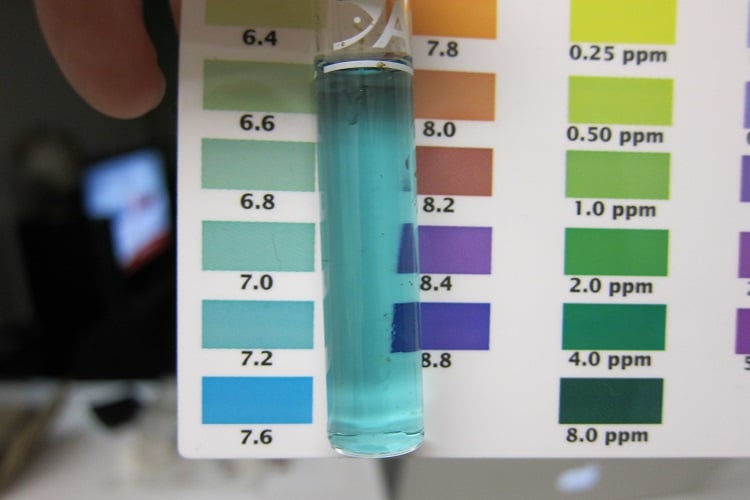
Testing pH levels in an aquarium is vital for fish health. Regular checks help maintain the ideal environment. Fish thrive in specific pH ranges. Deviations can stress fish or harm them. Testing ensures you catch changes early. This section explores the types of test kits and testing frequency.
Types Of Ph Test Kits
There are mainly two types of pH test kits. First, the liquid test kits. They involve adding drops to a water sample. Results are visible by color change. Second, the pH test strips. These are paper strips dipped into the water. Both methods are effective. Choose based on convenience and accuracy preference.
Frequency Of Testing
Regular pH testing keeps your aquarium safe. Test the pH weekly for stability. During changes in water conditions, test more often. New aquariums need frequent checks. Testing ensures a balanced and healthy aquatic environment. Always record the results for future reference. This helps track any shifts over time.
Natural Methods To Lower Ph
Maintaining the right pH in your aquarium is crucial. Fish and plants thrive in specific pH ranges. High pH levels can harm them. Natural methods offer a gentle way to lower pH. These methods are safe and effective. Let’s explore how driftwood and peat moss can help.
Using Driftwood
Driftwood can naturally lower aquarium pH. It releases tannins into the water. Tannins are acidic. They help in reducing pH levels. Choose driftwood safe for aquariums. Boil it before use. This removes impurities and prevents water discoloration. Place it in the aquarium. Over time, it will work its magic.
Adding Peat Moss
Peat moss is another natural option. It softens water and lowers pH. Use it in a filter bag. Place the bag in your filter. This method is gradual. It ensures a stable environment for your fish. Always monitor your pH levels. Adjust the amount of peat moss if needed.
Chemical Solutions
Maintaining the right pH level in your aquarium is crucial. Chemical solutions offer effective ways to lower pH. They ensure a safe environment for your aquatic life. This section focuses on chemical methods to decrease pH levels.
Ph Decreasing Products
Several products can help lower the pH in your aquarium. Acid buffers are popular choices. They adjust the pH without harming fish or plants. Look for products with clear instructions. Follow them closely for best results.
Another option is pH reducers. They are available in liquid or powder form. Choose one that suits your tank size. Ensure it is compatible with your tank’s inhabitants. Always check reviews before purchasing.
Dosage And Safety Measures
Proper dosage is essential for safety. Overdosing can harm fish and plants. Measure carefully before adding any product. Use precise tools for accuracy. Consider the tank’s volume when calculating doses.
Safety measures are important. Always wear gloves when handling chemicals. Ensure good ventilation in the room. Store products away from direct sunlight. Keep them out of reach of children.
Regular monitoring is vital. Test the pH after treatment. Adjust the dose if necessary. Keep an eye on your fish’s behavior. Look for signs of stress or discomfort.

Credit: www.aquariumcoop.com
Maintaining Stable Ph
Maintaining a stable pH in your aquarium is crucial for fish health. Fluctuating pH levels can stress your aquatic life. Consistent pH ensures a harmonious environment. Understanding how to keep pH stable is vital. Dive into these simple steps to maintain balance.
Regular Monitoring
Test your aquarium water weekly. Use reliable pH test kits. Record the readings for comparison. Notice any changes quickly. Early detection helps prevent issues. Adjustments are easier with regular checks.
Preventing Ph Fluctuations
Avoid sudden changes in water conditions. Gradually introduce new elements. Use natural materials like driftwood. They help in stabilizing pH levels. Ensure proper filtration systems are in place. Stable water temperature also aids in maintaining pH.
Common Mistakes
Maintaining the correct pH in your aquarium is crucial. It ensures the health and well-being of aquatic life. Many aquarium enthusiasts make common mistakes. These errors can have a negative impact on fish and plant life. Understanding these mistakes helps in avoiding them. It leads to a more balanced environment.
Overcorrecting Ph
One frequent mistake is overcorrecting pH levels. Sudden changes in pH can stress fish. It might even lead to their death. Enthusiasts often use too many chemicals. This drastic approach disrupts the water balance. It’s important to make gradual adjustments. This allows aquatic life to adapt comfortably. Regular monitoring helps in achieving stability. Aim for small, incremental changes. This ensures a safe and healthy aquarium.
Ignoring Water Chemistry
Another common error is ignoring overall water chemistry. pH is just one part of the equation. Factors like hardness and alkalinity also play a role. Neglecting these can lead to imbalanced water conditions. Using pH-altering products without checking other levels is risky. It’s essential to test water regularly. Understanding the full chemistry picture helps maintain harmony. A balanced environment supports thriving aquatic life.
Expert Tips
Maintaining the perfect pH balance in your aquarium is crucial. It ensures a healthy environment for aquatic life. Lowering the pH can sometimes be a complex task. Expert tips can provide guidance and simplify this process. Dive into these valuable insights to enhance your aquarium care.
Consulting Professionals
Seek advice from aquatic experts. Their experience helps in understanding pH levels. They can recommend suitable products. Professional guidance prevents mistakes. It ensures your fish thrive in optimal conditions.
Continuous Learning
Stay informed about aquarium care. Read books and articles on aquatic environments. Join forums and discussion groups online. Learning new techniques improves your skills. Knowledge empowers you to maintain a balanced ecosystem.

Credit: www.reddit.com
Frequently Asked Questions
What Causes High Ph In Aquariums?
High pH can result from hard water, alkaline substrates, or excessive aeration. Some decorations might also elevate pH levels. Regular monitoring and understanding your water source are crucial. Adjusting these factors can help maintain a stable pH suitable for your fish and plants.
How Can I Safely Lower Aquarium Ph?
To lower pH, use driftwood, peat moss, or pH-lowering products. Gradually introduce these elements to avoid sudden changes. Regularly test the pH to ensure stability. Always follow product guidelines and monitor fish behavior for stress signs during adjustments.
Can Fish Adapt To High Ph Levels?
Some fish can tolerate higher pH levels temporarily but may suffer stress over time. Long-term exposure can impact health and lifespan. Research your fish species’ pH preferences and adjust your tank environment accordingly for their well-being.
Are Chemical Ph Reducers Effective?
Chemical pH reducers can be effective but should be used cautiously. They provide quick results but might cause pH swings. Always follow manufacturer instructions and test water frequently. Combining chemical methods with natural solutions can offer balanced pH control.
Conclusion
Successfully lowering the pH in your aquarium is achievable. Use natural methods like adding driftwood or peat moss. These help balance pH levels effectively. Regularly test water to monitor changes. Consistent observation prevents sudden shifts. Ensure fish remain healthy during adjustments.
Patience is key when making changes. Gradual modifications protect your aquatic life. Always research before adding new elements. Understand the needs of your fish species. Proper care maintains a thriving aquarium environment. Happy fish make a happy aquarium owner. Keep learning and adapting for the best results.
So, in query against how to lower Ph in Aquarium ,you need to take care some guidelines that we mentioned here.
Enjoy your balanced, healthy aquatic world.