Is your aquarium water feeling too hard or alkaline? If you’ve noticed that your fish aren’t thriving or your plants look less vibrant, high KH (carbonate hardness) could be the culprit.
Understanding how to lower KH in your aquarium is key to creating a healthy, balanced environment for your aquatic life. You’ll discover simple, effective ways to reduce KH levels and keep your tank water stable. Whether you’re a beginner or experienced hobbyist, these tips will help you take control of your aquarium’s water chemistry and ensure your fish stay happy and healthy.
Keep reading to learn exactly what causes high KH and how you can fix it easily!

Credit: www.youtube.com
Causes Of High Kh
High KH, or carbonate hardness, affects aquarium water stability. It controls the water’s ability to resist pH changes. Understanding the causes helps manage KH levels effectively. Several common factors increase KH in aquariums.
Alkaline Substrates And Decorations
Substrates like crushed coral or limestone raise KH naturally. These materials slowly dissolve, releasing carbonate ions. Certain decorative rocks can do the same. This constant release keeps KH levels high over time.
Mineral-rich Tap Water
Tap water often contains dissolved minerals like carbonates. Using this water directly increases KH in the tank. Some regions have harder water with more minerals. This adds to the aquarium’s carbonate hardness.
Excessive Buffer Use
Buffers keep pH stable by adding carbonate ions. Using too much buffer causes KH to spike. Overdosing can lead to very high carbonate hardness. This creates an imbalance in aquarium water chemistry.
Certain Additives
Some additives raise KH on purpose. Baking soda and potassium carbonate are common examples. Overusing these products increases carbonate hardness quickly. Careful dosing is essential to avoid high KH problems.
Credit: buceplant.com
Effects Of High Kh On Aquariums
High KH in an aquarium affects the overall water quality. It changes how stable the water’s pH remains. Fish and plants also feel these changes in different ways. Understanding these effects helps keep the tank healthy and balanced.
Impact On Ph Stability
KH acts as a buffer that controls pH swings in the aquarium. High KH means the water resists changes in pH. This can keep the pH too high or too low for a long time. Sudden pH drops, called pH crashes, become less likely. But the stable pH might not suit all fish or plants.
Influence On Fish Health
Fish need specific pH levels to stay healthy. High KH often keeps pH levels above what some fish prefer. This creates stress and weakens their immune system. Sensitive species may suffer from poor growth or illness. Keeping KH balanced helps fish live longer and stay active.
Challenges For Plant Growth
Plants need certain minerals and a stable pH to grow well. High KH can limit nutrient availability, especially iron and potassium. This causes plants to grow slowly or show yellow leaves. Some plants may stop growing completely. Adjusting KH supports better plant health and vibrant colors.
Testing Kh Levels
Testing KH levels in your aquarium is essential for maintaining a healthy environment. KH, or carbonate hardness, affects water stability and fish health. Regular testing helps identify when KH is too high or too low. This allows you to take timely action to adjust the water conditions. Understanding how to test KH properly ensures you keep your aquarium safe and balanced.
Choosing The Right Test Kit
Select a test kit designed specifically for KH measurement. Liquid test kits often provide more accurate results than strips. Look for kits with clear instructions and color charts. Make sure the kit measures in degrees KH or ppm carbonate hardness. Choose one that matches your budget and testing frequency.
When To Test
Test KH levels after setting up a new aquarium. Check KH before adding fish to avoid shocks. Test weekly during regular maintenance to monitor changes. Also test after adding new decorations or water treatments. Testing helps detect sudden KH spikes or drops early.
Interpreting Results
Compare your test result color to the chart provided. A low KH means poor buffering, risking pH swings. A high KH can make pH too stable but may stress some fish. Aim for KH levels suitable for your specific fish species. Adjust the KH if results fall outside the ideal range.
Water Changes For Lowering Kh
Water changes are a simple and effective way to lower KH in your aquarium. They help dilute the minerals causing high carbonate hardness. Regular water replacement reduces the buildup of alkaline substances. This keeps the water chemistry balanced and safe for your fish and plants.
Using Distilled Water
Distilled water contains almost no minerals or carbonates. Using it for water changes lowers KH quickly. It prevents adding unwanted hardness to your tank. Always mix distilled water with your aquarium water before adding it. This avoids shocking the fish with sudden changes.
Reverse Osmosis Water Benefits
Reverse osmosis (RO) water is pure and free from minerals. It works like distilled water to reduce KH effectively. RO systems remove impurities and unwanted chemicals. This water offers more control over aquarium hardness. It is perfect for sensitive fish or planted tanks.
Frequency And Volume Guidelines
Change 20% to 30% of your aquarium water weekly. Frequent changes keep KH levels stable and lower. Avoid large, sudden water changes to protect fish health. Monitor KH with test kits after each change. Adjust the frequency and volume based on your tank’s needs.
Adjusting Aquarium Materials
Adjusting the materials inside your aquarium plays a key role in managing KH levels. Some substrates and decorations slowly release minerals that raise carbonate hardness. Choosing the right materials helps keep KH balanced and stable.
Selecting Inert Substrates
Use substrates that do not affect water chemistry. Inert options like plain sand or gravel do not release minerals. They keep KH from rising unexpectedly. Avoid substrates made of calcium carbonate, which increase hardness.
Removing Alkaline Decorations
Decorations such as limestone, coral, or shells add carbonate hardness over time. These materials dissolve and raise KH steadily. Remove or avoid these decorations to lower KH naturally. Opt for plastic or glass ornaments instead.
Avoiding Mineral Leaching
Some rocks and materials leach minerals into the water slowly. This raises KH and changes pH levels. Test new items by soaking them in water first. If water hardness increases, do not place them in your tank.
Using Acidic Filter Media
Using acidic filter media is a natural and effective way to lower KH in your aquarium. These media slowly release tannic and humic acids. They neutralize carbonate hardness, reducing KH levels over time. This method is gentle and safe for most fish species. It also helps maintain stable water chemistry, promoting a healthy tank environment.
Peat Moss Effects
Peat moss is a popular acidic filter media in aquariums. It releases tannins that lower KH and soften water. The water may turn slightly yellow or brown, which is harmless. Peat also reduces pH gradually, creating a more natural habitat. It can improve fish color and health by mimicking their natural environment. Replace peat moss every few months to keep its effectiveness.
Driftwood Benefits
Driftwood naturally lowers KH by releasing organic acids. It also adds beneficial tannins to the water. This helps to soften water and lower pH gently. Driftwood provides hiding places and creates a natural look. Use clean, aquarium-safe driftwood to avoid harmful substances. Over time, driftwood can improve water quality and fish well-being.
Media Placement Tips
Place acidic media in a filter bag or mesh pouch for easy removal. Position it in the filter’s water flow for better contact. Avoid placing too much media at once to prevent sharp pH drops. Start with small amounts and monitor water parameters regularly. Replace media as needed to maintain consistent KH reduction. Proper placement ensures the best results without stressing your fish.
Managing Aquarium Additives
Managing aquarium additives is key to controlling KH levels. Some products can raise KH quickly. Using them carefully helps keep water stable and safe for fish. Understanding which additives affect KH prevents unwanted spikes. Proper management avoids stress on aquatic life and maintains a healthy tank environment.
Avoiding Overuse Of Buffers
Buffers stabilize pH but can raise KH too much. Use only the amount suggested on the package. Test water regularly to track KH changes. Avoid adding buffers unless necessary. Overuse can lead to hard water and harm fish. Always dilute additives with aquarium water before use.
Safe Use Of Supplements
Supplements like baking soda increase KH quickly. Use supplements only for specific needs, such as raising alkalinity. Follow dosage instructions carefully. Avoid mixing multiple supplements that affect KH at once. Monitor water parameters after adding supplements. Stop using if KH rises above desired levels.
Alternatives To Raise Gh Without Affecting Kh
Raising GH without increasing KH helps balance water hardness. Use magnesium sulfate or calcium chloride instead of carbonate-based additives. These add minerals without boosting alkalinity. Slowly add these alternatives to avoid sudden water changes. Test GH and KH frequently to keep levels safe. This approach supports fish health and water quality.
Matching Fish To Water Conditions
Matching fish to water conditions is key for a healthy aquarium. Fish thrive best in environments similar to their natural habitats. Choosing species that fit your tank’s KH level reduces stress and illness. It also makes maintaining the aquarium easier and more enjoyable.
Species Tolerant Of High Kh
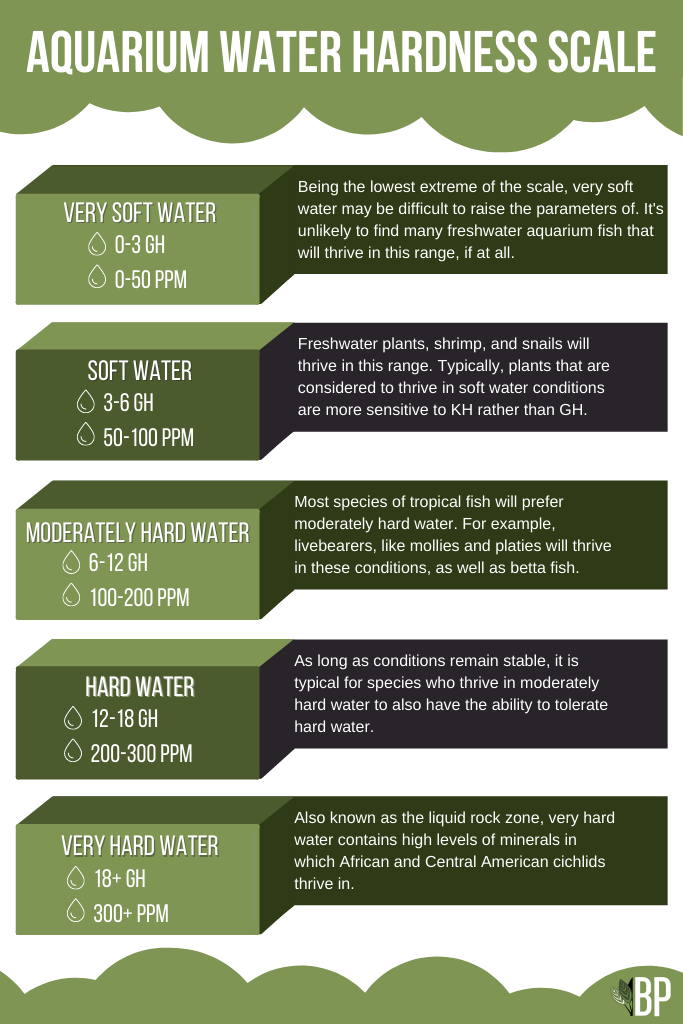
Some fish adapt well to high KH levels. African cichlids from the Rift Lakes live in hard, alkaline water. They handle high carbonate hardness without problems. Other hardy species include livebearers like mollies and platies. These fish tolerate a broad range of water conditions. They suit tanks with natural or artificially high KH.
Fish Preferring Soft Water
Soft water fish need lower KH to stay healthy. Tetras, angelfish, and discus prefer soft, slightly acidic water. Their natural habitats often have low mineral content. Keeping KH low mimics these conditions. It helps these fish maintain proper bodily functions and vibrant colors. Avoid mixing soft water species with high KH tanks.
Adapting To Water Changes
Sudden changes in KH can stress fish. Slow adjustments help fish adapt smoothly. Change water gradually over several days. Test KH regularly to track progress. Use conditioners or reverse osmosis water to lower KH safely. Observe fish for signs of stress during transition. Proper adaptation promotes stronger immune systems and longer lives.
Preventing Kh Spikes
Preventing KH spikes in your aquarium helps keep fish and plants healthy. Sudden changes in carbonate hardness stress aquatic life. Consistent care and attention maintain stable water conditions. Follow simple steps to avoid sharp KH increases.
Regular Monitoring
Test your aquarium water weekly to track KH levels. Use reliable test kits for accuracy. Record results to notice trends early. Early detection helps prevent large, sudden changes. Monitoring keeps you informed about your tank’s chemistry.
Consistent Maintenance Routine
Perform regular water changes to control KH gently. Replace 10-20% of tank water weekly or biweekly. Use water with similar KH to avoid shocks. Clean filters and remove debris to reduce mineral buildup. A steady routine keeps KH balanced over time.
Avoiding Sudden Water Chemistry Changes
Do not add alkaline substances quickly. Avoid adding crushed coral or limestone without preparation. Introduce new water slowly to let fish adjust. Mix new water with tank water before adding. Sudden chemical shifts cause KH spikes and harm fish.

Credit: www.aquariumcoop.com
Frequently Asked Questions
What Causes High Kh In A Tank?
High KH in a tank results from alkaline substrates like limestone, high-mineral tap water, and overuse of buffering additives.
How To Lower Down Kh?
Lower KH by performing regular water changes with distilled or reverse osmosis water. Remove alkaline rocks and use inert decorations. Add peat or driftwood to reduce alkalinity naturally. Avoid overusing alkaline buffers or mineral additives. Monitor and adjust based on your fish species’ needs.
Does Tap Water Conditioner Lower Kh?
Tap water conditioners do not lower KH (carbonate hardness). They neutralize chlorine and chloramine but don’t affect mineral content. To reduce KH, use reverse osmosis water or add acidifying media like peat or driftwood. Regular water changes with soft water help lower KH effectively.
Is High Kh Bad For Aquarium Plants?
High KH is not inherently bad for aquarium plants. It stabilizes pH but may limit CO2 availability, affecting some plant growth.
Conclusion
Lowering KH in your aquarium helps keep water stable and healthy. Use soft water for regular changes to reduce minerals. Remove rocks or decorations that raise KH levels. Choose inert materials to avoid adding carbonates. Adding acid-reducing media can help balance the water.
Test water often to track KH changes. Small steps bring better results over time. Healthy water means happier fish and plants. Keep it simple and stay consistent.