Imagine a situation where you need to protect yourself, and the only tool available is a knife. Knowing how to hold a knife for self-defense can be crucial.
You might think it’s straightforward, but the truth is, the grip and technique make all the difference. This article will guide you through the essentials of holding a knife for self-defense, ensuring you feel more secure and prepared. You’ll discover tips that could make a significant difference in your safety.
Ready to learn how to turn a simple tool into a reliable means of protection? Let’s dive into the details that could empower you in critical moments.
Knife Grips
Understanding knife grips is crucial for self-defense. Each grip has its unique strengths. Knowing these can improve your safety and confidence. Below, discover the most common grips used in knife self-defense.
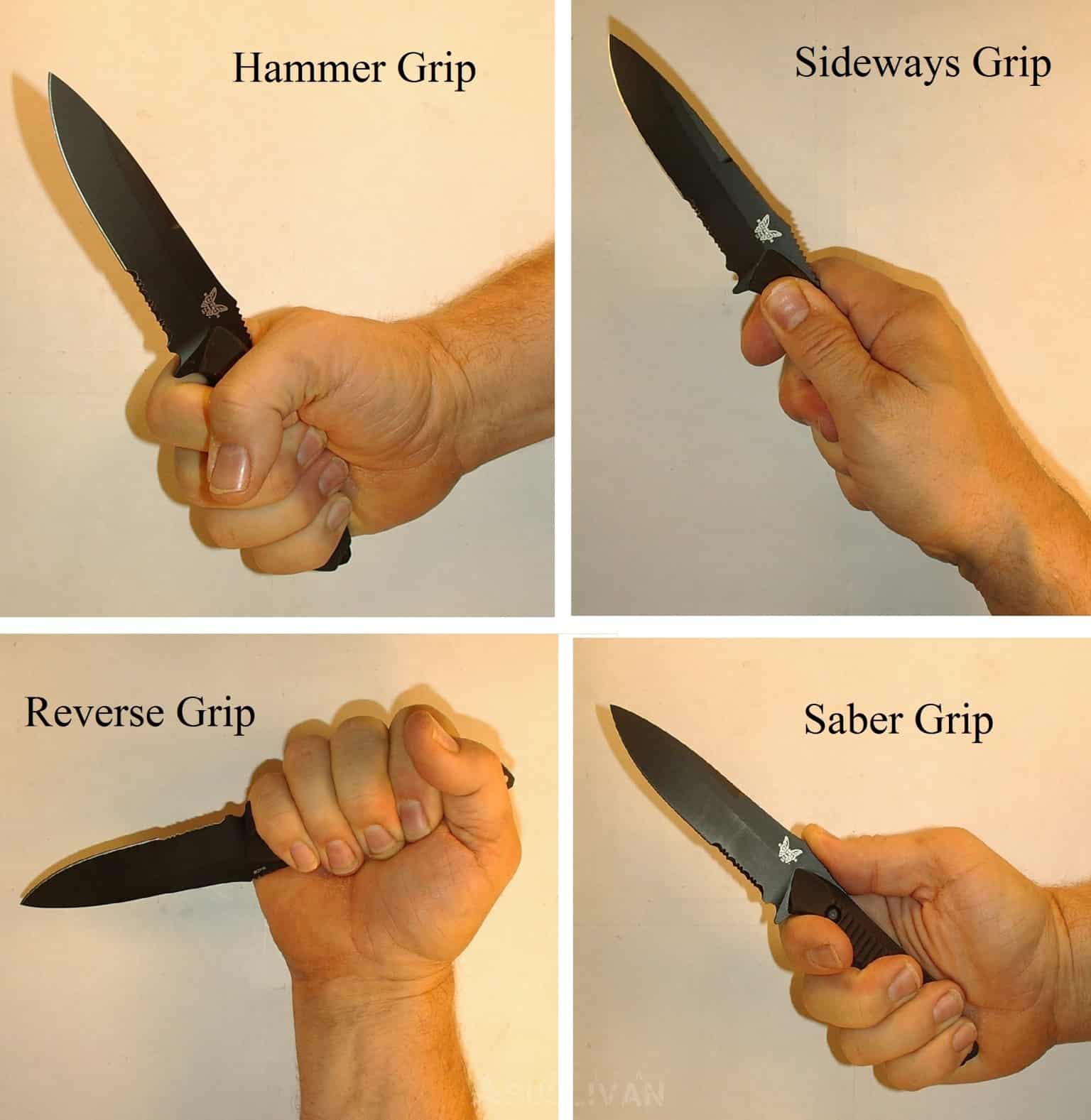
Hammer Grip
The hammer grip is simple and effective. Hold the knife like a hammer. Your thumb rests on top of the handle. This grip offers strong control. It is ideal for powerful downward strikes. The hammer grip feels natural for many.
Ice Pick Grip
The ice pick grip is different. Hold the knife with the blade facing down. Your thumb wraps around the handle. This grip is used for stabbing motions. It provides a strong downward force. Useful in close encounters.
Filipino Grip
The Filipino grip is versatile. Hold the knife with a loose grip. The thumb and index finger are near the blade. It allows quick changes in direction. This grip is popular in martial arts. It offers speed and flexibility.

Credit: defensescience.com
Stance And Footwork
Proper stance and footwork are crucial in knife self-defense. They provide balance and agility. With the right stance, you stay grounded and less vulnerable. Mastering footwork techniques ensures quick movement and strategic positioning.
Balanced Stance
A balanced stance starts with feet shoulder-width apart. Distribute your weight evenly on both feet. This offers stability and control. Bend your knees slightly for better flexibility. Keep your body relaxed but alert. Your dominant foot should be slightly forward. This position allows quick response and movement.
Footwork Techniques
Footwork is the key to effective knife defense. Practice small, controlled steps. Avoid crossing your feet to maintain balance. Use the pivot to change directions swiftly. Slide your feet instead of lifting them. This helps in maintaining a low profile. Move in a circular motion around your opponent. This keeps you unpredictable and harder to hit.
Defensive Techniques
Understanding defensive techniques is crucial for self-defense. Knowing how to hold a knife properly can significantly increase your chances of staying safe. Defensive techniques focus on protecting yourself while minimizing harm to the attacker. Two key components are blocking and parrying, and distance control.
Blocking And Parrying
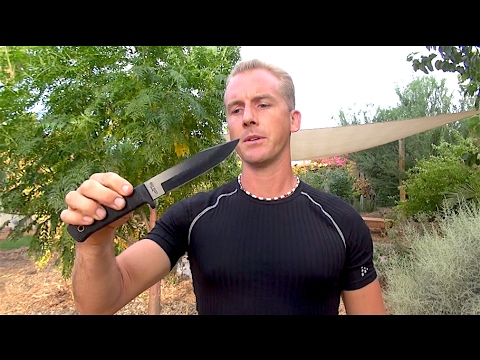
Blocking and parrying are essential skills in knife self-defense. Blocking involves using your knife to stop an incoming attack. Hold your knife firmly and keep your movements quick. Parrying redirects the attacker’s blade away from your body. Use your knife to guide their weapon aside. Practice both techniques to build muscle memory. This will help you react faster in dangerous situations.
Distance Control
Distance control is about keeping a safe space between you and the attacker. Maintain a defensive stance to stay balanced and ready. Use your knife to manage the distance. Move in small steps to avoid losing your footing. Pay attention to the attacker’s movements and adjust your position. Effective distance control can prevent the attacker from getting too close. Practice regularly to build confidence and improve your skills.
Credit: www.youtube.com
Offensive Techniques
Offensive techniques in knife self-defense focus on using the knife effectively. These techniques aim to disable or deter the attacker. They require precision and control. Understanding different motions can enhance your defense strategy. It’s crucial to practice these techniques safely. This ensures you handle the knife with confidence.
Slashing Motions
Slashing motions involve swift, wide movements. They target the attacker’s exposed areas. Arms, legs, or face can be vulnerable spots. This technique can surprise and distract the attacker. It creates a defensive barrier between you and the threat. Practice makes these motions natural and fluid.
Maintain a firm grip on the knife handle. Use your body’s momentum to add power to the slash. Keep the blade sharp for maximum effectiveness. A dull blade won’t achieve desired results. Always focus on your target area during practice. This helps with precision and control.
Thrusting Motions
Thrusting motions are direct and forceful. They aim for the attacker’s vital areas. The chest or abdomen are common targets. Thrusts can quickly incapacitate an attacker. This technique requires full-body coordination. The motion should be quick and decisive.
Ensure your stance is balanced and stable. This provides the necessary support for thrusting. Control is crucial to avoid overextension. Practice helps refine this technique. Focus on maintaining accuracy under pressure. Quick execution can be the key to effective defense.
Situational Awareness
Understanding situational awareness can be crucial in self-defense. It means being alert to your surroundings. Knowing how to hold a knife is vital, but being aware can prevent danger. Awareness helps in recognizing threats and avoiding confrontations. It is the first line of defense. Stay safe by being mindful of your environment.
Identifying Threats
Recognize potential dangers before they become serious. Look for suspicious behavior. Notice anyone acting out of place. Pay attention to body language. It can indicate harmful intentions. Trust your instincts. If something feels off, it probably is. Stay vigilant. Your safety depends on your awareness.
Avoiding Confrontation
Not every situation needs a fight. Avoid danger by steering clear of conflict. Walk away if you can. Use verbal skills to de-escalate tension. Keep a safe distance from aggressive individuals. Stay calm. Showing confidence can deter potential attackers. Prioritize safety over confrontation.
Credit: www.cmjadesign.fr
Practice And Drills
Effective knife self-defense requires continuous practice. The more you practice, the better you become. Practicing drills helps build muscle memory. This makes reactions faster and more precise. Let’s explore some practice drills.
Solo Drills
Solo drills are essential for personal skill development. Start with basic movements. Practice holding the knife correctly. Focus on your grip. It should be firm but relaxed. Next, practice basic thrusts and slashes. Move slowly at first. Gradually increase speed as you improve. Use a mirror to check your form. This helps correct any mistakes.
Footwork is crucial in self-defense. Practice stepping forward and backward. Also, practice side steps. Keep your balance steady. This makes your movements fluid. Shadow fighting is another useful solo drill. Imagine an opponent in front of you. Practice attacking and defending. This builds confidence in your skills.
Partner Drills
Partner drills add a level of realism. Start with controlled exercises. Practice basic attack and defense patterns. Use a training knife for safety. Focus on timing and accuracy. Partners can provide feedback. This helps improve your technique.
Introduce dynamic drills gradually. Practice reacting to unexpected movements. This simulates real-life situations. Role-playing can be helpful. Take turns being the attacker and defender. This gives you a complete understanding. Always communicate openly with your partner. Safety should be the top priority.
Drills with partners develop quick thinking. They enhance your ability to adapt. Over time, you’ll notice improvement. Your confidence in self-defense will grow.
Legal Considerations
Understanding the legal aspects of self-defense is crucial. It ensures you stay on the right side of the law. The laws around self-defense can vary widely. Knowing these laws helps you protect yourself legally. This section will explore key legal considerations.
Self-defense Laws
Self-defense laws differ from state to state. Some places have “Stand Your Ground” laws. Others may follow the “Duty to Retreat” principle. These laws dictate when you can use force. Always research the specific laws in your area. This ensures you act within legal boundaries. Ignorance of the law is not a defense.
Carrying Restrictions
Carrying a knife for self-defense has limitations. Many areas have specific knife laws. These laws regulate blade length and type. Some places ban certain knives altogether. Understanding these laws is essential. Violating them can lead to legal trouble. Always check local knife regulations before carrying one.
Frequently Asked Questions
What Is The Correct Way To Hold A Knife?
Hold a knife with a firm grip, thumb on top of the handle. Keep fingers wrapped around securely. Ensure your grip is steady and controlled to prevent slipping. Practice regularly to maintain confidence and accuracy in self-defense situations.
Why Is Knife Grip Important For Self-defense?
Knife grip ensures control and precision during self-defense. A secure grip prevents accidental self-injury and increases effectiveness. Proper grip allows quick, decisive movements, enhancing your ability to defend yourself. Practicing different grips can improve your adaptability in various situations.
How Can I Practice Knife Handling Safely?
Start with a training knife in a controlled environment. Focus on grip, movements, and awareness. Practice regularly to build muscle memory and confidence. Ensure you follow safety guidelines to prevent injuries while practicing. Consider taking self-defense classes for guided instruction.
Are There Different Grips For Knife Self-defense?
Yes, there are various grips like hammer grip, ice pick grip, and saber grip. Each grip offers unique advantages in different situations. Experiment with different grips to find what suits your style and comfort. Regular practice helps in adapting these grips effectively.
Conclusion
Learning to hold a knife for self-defense is crucial. It boosts confidence. It enhances personal safety. Practice the grip regularly. Keep calm in stressful situations. Always prioritize safety and responsibility. Understand the legal aspects. Never use a knife recklessly. Respect its power.
Remember, self-defense is not aggression. It’s about protection. Being prepared can save lives. Stay aware of your surroundings. Always trust your instincts. Stay safe and informed. Proper knowledge empowers you. With these skills, you’re better equipped. Defend yourself wisely and responsibly.
So,in query of how to hold a knife self-defense is certainly a learning technique whether you face with human attacker or to save from hunting animal.