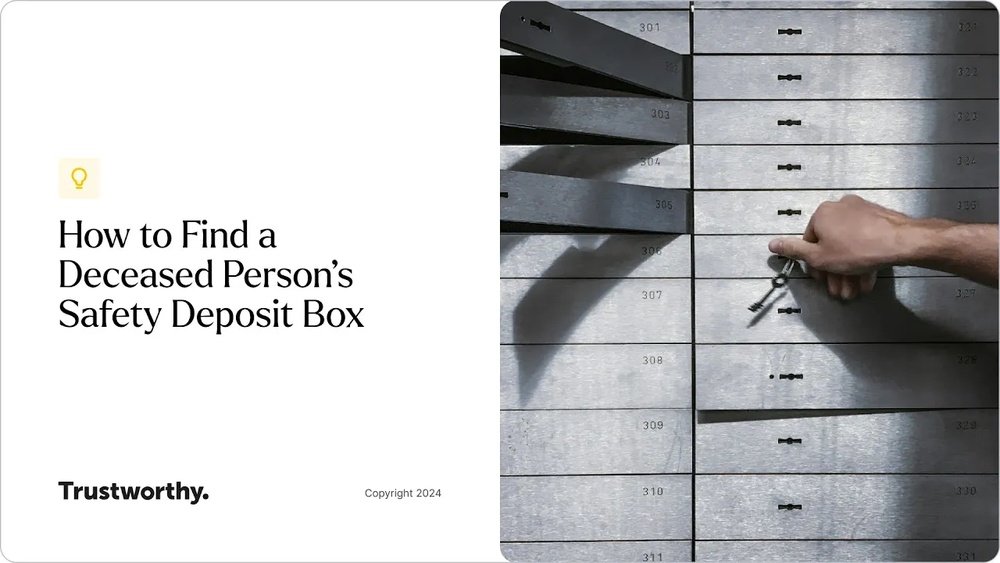
Losing a loved one is hard enough without the added stress of figuring out how to access their safety deposit box. You might be wondering, “How do I get into a deceased person’s safety deposit box?”
Whether you’re the executor, a close family member, or simply trying to settle affairs, knowing the right steps is crucial. You’ll discover clear, straightforward guidance on what documents you need, how banks handle these situations, and legal tips to open the box smoothly.
Keep reading to avoid common pitfalls and ensure you access the contents with confidence and ease.
Credit: www.trustworthy.com
Locating The Safety Deposit Box
Finding a deceased person’s safety deposit box is the first step to access important documents or valuables inside. The location of the box is not always obvious. It requires careful searching of records and documents. This section guides you through simple ways to locate the box quickly.
Checking Bank Records
Start by reviewing the deceased’s bank statements. Look for any fees or charges related to a safety deposit box. These charges usually appear monthly or annually. Bank statements may also list the bank branch where the box is held. This information narrows down your search significantly.
Contacting Financial Institutions
Call or visit banks where the deceased had accounts. Banks often require customers to have an account before renting a safety deposit box. Speak with a branch manager and explain the situation. Provide the deceased’s full name and identification details. The bank may confirm if a box is rented and where.
Searching Personal Documents
Check the deceased’s personal files and home safe. Documents like rental agreements, bank letters, or key envelopes may reveal the box’s location. Look for any notes or diaries mentioning the safety deposit box. Sometimes, keys are stored with important papers at home.
Legal Authority To Access
Accessing a deceased person’s safety deposit box requires clear legal authority. Banks need proof that the person seeking access has the right to open the box. This protects the contents and respects the wishes of the deceased. Understanding the legal roles helps avoid delays and problems. The key figures include the executor, administrators, and sometimes the next of kin. Each has specific rights and limitations under the law.
Role Of Executor Or Administrator
The executor or administrator manages the deceased’s estate. They get legal authority through a court document called Letters Testamentary or Letters of Administration. This document allows them to access the safety deposit box. The bank will ask to see this proof before opening the box. Executors must follow the will’s instructions and state laws when handling the box contents. Their responsibility includes inventory and safeguarding the items inside.
Power Of Attorney Limitations
Power of attorney ends when the person dies. It does not give the agent rights to access the safety deposit box after death. The agent must stop acting on behalf of the deceased. Only the executor or administrator named by the court has legal access. Banks will reject any power of attorney document for post-death access. Families must understand this to avoid confusion or illegal access attempts.
Next Of Kin Rights
Next of kin do not automatically have access to the safety deposit box. Their rights depend on state laws and the presence of a will. Sometimes banks allow next of kin to view the box contents under supervision. This usually happens before the executor is appointed. Next of kin may need to petition the court for access if no executor exists. Clear legal authority protects the deceased’s property and family interests.
Required Documents
Accessing a deceased person’s safety deposit box requires specific documents. These papers prove your legal right to open the box. Banks and institutions need them to protect the owner’s assets. Preparing these documents ahead saves time and reduces stress.
Certified Death Certificate
The certified death certificate confirms the person has passed away. It is an official document issued by the government. Banks need this to start the process of opening the safety deposit box. Without it, they will refuse access.
Letters Testamentary Or Administration
Letters Testamentary or Letters of Administration are court-issued papers. They appoint a person as executor or administrator of the deceased’s estate. These letters give legal authority to handle the deceased’s property. Banks require these documents before granting access to the safety deposit box.
Identification And Proof Of Relationship
Valid identification is necessary to prove your identity. A driver’s license or passport usually works. Proof of relationship to the deceased is also important. This can be a birth certificate, marriage certificate, or legal document. These papers help confirm your right to access the box.

Credit: silblawfirm.com
Bank Procedures
Accessing a deceased person’s safety deposit box requires following specific bank procedures. Banks protect these boxes carefully to ensure only authorized individuals gain entry. Understanding these steps helps avoid delays and legal issues. Below are key procedures to know.
Notification Of The Bank
Notify the bank about the death as soon as possible. The bank must record the death and freeze the box. This prevents unauthorized access. Usually, a family member or executor contacts the bank. The bank may ask for the death certificate to start the process.
Presenting Legal Documents
Provide the bank with legal documents proving your authority. Common papers include the death certificate and Letters of Administration or Testamentary. These documents show you have the right to access the box. Without them, the bank will not open the box. The bank may also require identification and other paperwork.
Supervised Access Rules
Banks often allow access only under supervision. A bank officer will be present during the opening. This ensures the contents are handled properly. Usually, the executor or authorized person can remove items. The bank keeps records of what is taken from the box. Follow all bank rules to avoid complications.
Access Challenges
Accessing a deceased person’s safety deposit box can be a difficult task. Several challenges arise due to legal and practical restrictions. Understanding these obstacles helps prepare for the process ahead. It ensures you avoid delays and confusion.
Lost Or Missing Keys
Safety deposit boxes usually require two keys to open. If one key is missing, the other may still work. Both keys lost? The bank must call a locksmith. This process can be expensive and time-consuming. It often requires the presence of a bank official and the box owner’s representative.
Bank Restrictions After Death
Banks freeze access to safety deposit boxes after the owner’s death. They require legal documents before granting entry. These include a death certificate and court-issued papers. Only the executor or legal representative can provide these. The process protects the deceased’s assets from unauthorized access.
Handling Multiple Key Holders
Some boxes have more than one key holder. All key holders must usually be present to open the box. If one key holder is unavailable, this complicates access. The bank may require legal proof to allow entry without all key holders. Clear communication and proper paperwork are essential.
Probate Court Involvement
Accessing a deceased person’s safety deposit box often requires legal steps. Probate court plays a key role in this process. The court ensures proper handling of the deceased’s assets. It protects the rights of heirs and creditors. Understanding probate court involvement simplifies access to the safety deposit box.
Filing For Court Permission
The first step is filing a petition with the probate court. This petition requests permission to access the safety deposit box. You must provide the deceased’s death certificate and your relationship proof. The court reviews these documents carefully. Approval depends on verifying your legal right to access the box.
Obtaining Court Orders
After permission, the court issues an order to open the box. This order is a legal document for the bank. Present it at the bank to gain access. The court order often names an executor or administrator. This person manages the deceased’s property, including the safety deposit box.
Role Of Probate In Access
Probate ensures that the safety deposit box contents are handled correctly. It prevents unauthorized access or theft. The court supervises the distribution of valuables inside the box. Probate helps resolve disputes among heirs. It guarantees that the deceased’s wishes are respected.
Hiring Professionals
Accessing a deceased person’s safety deposit box can be complex. Hiring professionals helps navigate legal and technical challenges. Experts ensure the process follows laws and respects the deceased’s wishes. They also prevent damage to the box and its contents. Choosing the right professional depends on your situation and needs.
Using Locksmith Services
Locksmiths have the tools to open safety deposit boxes safely. They avoid damaging the box or its lock. Banks may require a locksmith if the key is lost or missing. A professional locksmith works under bank supervision for security. Their experience helps open boxes without force or harm.
Engaging Probate Attorneys
Probate attorneys handle legal access to safety deposit boxes after death. They assist with court documents like wills and letters testamentary. Attorneys ensure you have the right permissions to open the box. They guide you through probate laws and bank policies. This support reduces legal risks and delays.
When To Consult Estate Experts
Estate experts help manage a deceased person’s assets, including safety deposit boxes. They coordinate between banks, lawyers, and family members. Experts advise on handling valuables and important documents inside the box. Consulting them early avoids confusion and disputes. They provide clarity during a stressful time.
Special Considerations By State
Accessing a deceased person’s safety deposit box involves legal steps that vary by state. Understanding these differences helps avoid delays and legal issues. Each state sets rules on who can open the box and when. Some states allow immediate access to certain family members. Others require court orders or proof of executor status. Knowing your state’s rules saves time and reduces stress during a difficult period.
Texas Safety Deposit Box Laws
In Texas, safety deposit boxes of deceased persons are sealed by the bank once death is reported. Only the executor or administrator can open the box. The bank requires a certified death certificate and court-issued Letters Testamentary or Administration. Spouses have no automatic right to access the box without these documents. Banks may allow access only under bank supervision. Texas law aims to protect the deceased’s property until legal authority is proven.
Variations In State Regulations
State laws differ widely on accessing safety deposit boxes after death. Some states allow a surviving spouse to enter the box immediately. Others require court approval before any access. The timing for accessing contents also varies. Some states allow access after presenting a death certificate and ID. Others require additional documentation, such as probate court orders. Understanding local rules prevents legal complications and ensures proper handling of the box’s contents.
Spousal Access Rules
Spousal rights to access safety deposit boxes vary across states. Some states grant spouses automatic access upon death notification. Others restrict access until probate court appoints an executor. A spouse may need to prove legal authority with court documents. Banks typically require a death certificate and identification. In some cases, the spouse may only view contents with a bank representative present. Knowing these rules helps spouses take appropriate legal steps.

Credit: www.yourlegacylegalcare.com
Frequently Asked Questions
How Do I Get Into A Safety Deposit Box Of A Deceased Person?
To access a deceased person’s safety deposit box, obtain a death certificate and court authorization. Present these documents to the bank. The bank then grants access to the appointed executor or personal representative. Legal proof ensures proper and secure entry into the safety deposit box.
When Someone Dies, What Happens To Their Safety Deposit Box?
After death, the bank freezes the safety deposit box. A court-appointed representative must present legal documents to access it.
How To Access A Safety Deposit Box Without A Key?
Contact your bank immediately if you lose your safety deposit box key. The bank may arrange a locksmith to open it with your presence and expense. Keep your identification and proof of ownership ready to expedite access. Avoid attempting to force it open yourself to prevent damage.
How Do You Find The Safety Deposit Box Of A Deceased Person?
Contact banks where the deceased held accounts to inquire about safety deposit boxes. Provide a death certificate and legal documents. Obtain court authorization if required. The appointed executor or administrator can access the box with proper identification and paperwork.
Conclusion
Accessing a deceased person’s safety deposit box requires patience and proper documents. Start by finding the bank and notifying them of the death. Legal papers like a death certificate and executor’s letter are essential. Follow the bank’s rules carefully to avoid delays.
Keep communication clear and respectful throughout the process. Taking these steps helps you handle the situation smoothly and legally. Remember, every case may differ, so consider seeking legal advice if needed. This approach ensures you honor the deceased’s wishes and protect their belongings properly.