Starting your own aquarium is exciting, but have you ever wondered how to create a safe and healthy environment for your fish from day one? The secret lies in cycling your aquarium properly.
Without cycling, harmful toxins like ammonia and nitrites can build up, putting your fish at risk. But don’t worry—cycling your tank is simpler than it sounds, and once you understand the process, you’ll be able to keep your aquatic friends happy and thriving.
In this guide, you’ll discover exactly how to cycle your aquarium step-by-step, what to expect during each stage, and how to know when your tank is ready for fish. Keep reading, and you’ll learn the key to a successful, vibrant aquarium that you can enjoy for years to come.

Credit: www.youtube.com
Nitrogen Cycle Basics
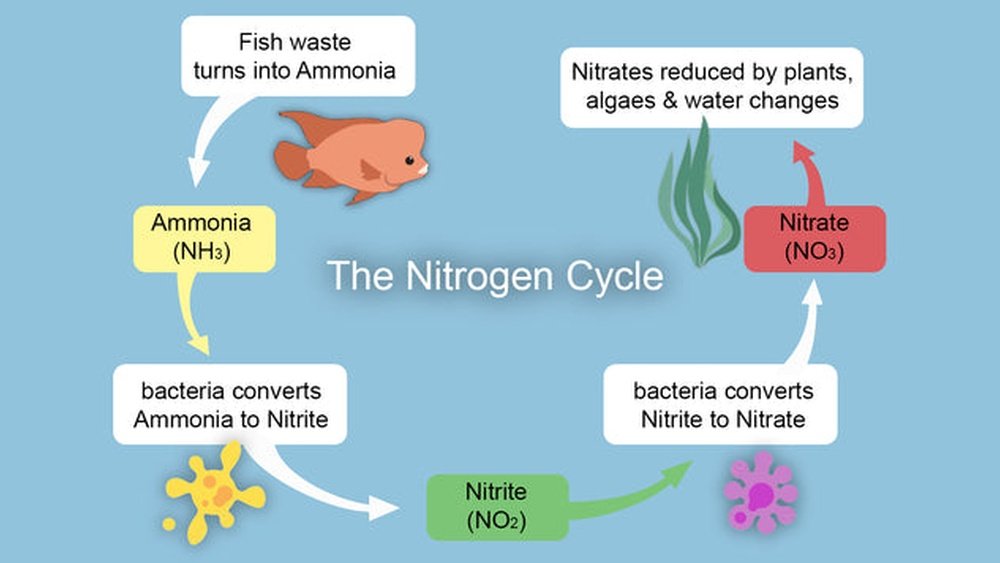
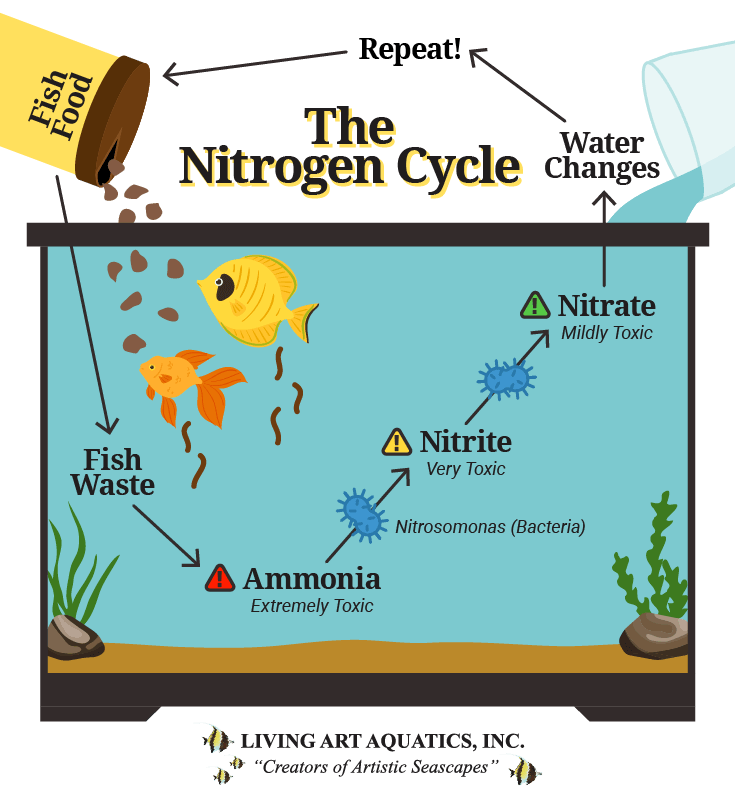
The nitrogen cycle is the heart of a healthy aquarium. It changes harmful waste into less dangerous substances. Understanding this cycle helps keep fish safe and water clean. The cycle mainly involves three key stages: ammonia, nitrite, and nitrate. Each stage is vital for a balanced tank environment.
Ammonia’s Role
Ammonia is the first chemical in the nitrogen cycle. It comes from fish waste and leftover food. Ammonia is very toxic to fish. High ammonia levels can harm or kill your fish quickly. Beneficial bacteria called Nitrosomonas start to grow in the tank. They eat ammonia and turn it into nitrite.
Nitrite Formation
Nitrite forms when ammonia breaks down. Nitrite is still toxic but less harmful than ammonia. Another type of bacteria, Nitrobacter, begins to grow. These bacteria feed on nitrite and turn it into nitrate. During this stage, nitrite levels rise and then fall as bacteria increase.
Nitrate Production
Nitrate is the last product in the nitrogen cycle. It is much less harmful than ammonia or nitrite. Plants in the aquarium use nitrate as food. Regular water changes help keep nitrate at safe levels. High nitrate can still stress fish if not controlled. When ammonia and nitrite reach zero and nitrate stays low, the cycle is complete.
Credit: livingartaquatics.com
Setting Up Your Tank
Setting up your tank is the first step in cycling your aquarium. A well-prepared tank creates a healthy environment for beneficial bacteria. These bacteria help process harmful waste and keep fish safe. Proper setup ensures your cycling process goes smoothly and finishes faster.
Choosing Tank Components
Start by selecting a tank size that fits your space and fish goals. Choose a reliable filter to keep water clean and oxygenated. A heater is essential for tropical fish to maintain stable temperature. Lighting supports plant growth and enhances fish colors. Pick equipment that matches your tank’s size and type.
Water Quality Essentials
Use dechlorinated water to protect bacteria and fish. Test the water’s pH to match your fish species’ needs. Keep pH between 6.5 and 7.5 for most freshwater tanks. Temperature should stay steady, usually between 72°F and 78°F. Good water quality helps bacteria grow during cycling.
Selecting Substrate And Decorations
Choose a substrate that supports beneficial bacteria growth, like gravel or sand. Avoid sharp or toxic materials that can harm fish. Decorations provide hiding spots and reduce stress for fish. Live plants add oxygen and help absorb toxins. Arrange decorations to allow good water flow and easy cleaning.
Starting The Cycle
Starting the cycle in your aquarium is the first step to creating a healthy environment for your fish. This process builds beneficial bacteria that break down harmful waste. Proper cycling prevents toxic ammonia and nitrite buildup, protecting your aquatic pets. It requires patience and careful setup of key elements.
Adding Ammonia Source
Ammonia is the fuel for beneficial bacteria growth. You can add pure ammonia or use fish food that decays to produce ammonia naturally. Start with a small, controlled amount to avoid dangerous spikes. Regularly test ammonia levels to track progress and adjust dosing.
Using Beneficial Bacteria Starters
Beneficial bacteria starters speed up the cycling process. They introduce the good bacteria needed to convert ammonia into less harmful substances. These starters come in liquid or powdered form. Follow the product instructions to add them safely and effectively.
Setting Up Filtration
A proper filtration system supports bacteria growth by providing surfaces for them to attach. Use a filter with biological media, such as sponge or ceramic rings. Run the filter continuously during the cycle to maintain water movement and oxygen levels. Clean the filter media carefully to avoid killing bacteria.

Credit: www.apifishcare.com
Monitoring Water Parameters
Monitoring water parameters is a key step in cycling your aquarium. It helps you track the progress of beneficial bacteria. These bacteria break down harmful waste into less toxic substances. Watching water parameters ensures a safe environment for your fish. Regular testing lets you see changes and act quickly if needed.
Testing Ammonia Levels
Ammonia is toxic to fish and appears first during cycling. Test ammonia daily using a water test kit. High ammonia shows that fish waste and uneaten food are breaking down. Beneficial bacteria will start to consume ammonia over time. When ammonia drops to zero, it means bacteria are working well.
Tracking Nitrites
Nitrites form after ammonia is broken down by bacteria. Nitrites are also harmful to fish and must be monitored closely. Test nitrite levels every few days during cycling. Nitrites rise after ammonia drops, then fall as another bacteria type grows. When nitrites reach zero, it shows the cycle is moving forward.
Checking Nitrates
Nitrates are the final product of the nitrogen cycle. They are less harmful but should not build up too much. Test nitrates weekly to keep levels in check. High nitrates mean the cycle is complete but water needs cleaning. Regular partial water changes keep nitrate levels safe for fish.
Cycle Timeline
The aquarium cycling process follows a clear timeline. This timeline helps you understand what happens inside the tank each week. Watching the changes in water chemistry guides you to a healthy tank. Patience is key during this period. The cycle usually takes about four weeks to complete.
Each phase marks important shifts in bacteria growth and water quality. Testing the water regularly shows you where the tank stands. Knowing this timeline helps prevent common mistakes. It also protects your fish from harmful toxins.
First Two Weeks: Ammonia Spike
The first stage starts as soon as you add ammonia or fish waste. Ammonia levels quickly rise. This is toxic to fish but necessary for cycling. Beneficial bacteria that consume ammonia begin to grow. At this point, nitrite levels stay near zero. Watch ammonia closely and keep levels stable.
Week Three: Nitrite Peak
By the third week, ammonia drops to zero. Nitrite levels start to increase sharply. This happens because ammonia-eating bacteria produce nitrites. Nitrites are also toxic to fish. Another group of bacteria begins to grow. They will soon convert nitrites into less harmful nitrates. Continue testing to track nitrite changes.
Week Four: Nitrate Rise
In the fourth week, nitrite levels fall. Nitrate levels begin to rise. Nitrates are less harmful and can be removed by water changes. The bacteria that convert nitrites to nitrates become established. This stage means the tank is nearing full cycling. Regular water tests confirm the progress.
Completion Signs
The cycle is complete when both ammonia and nitrite test zero. Nitrate should be present in low to moderate amounts. Stable water chemistry shows a balanced ecosystem. Fish can now be added safely. Keep testing for a few days to confirm stability. A fully cycled tank supports healthy fish and plants.
Speeding Up The Cycle
Speeding up the aquarium cycle saves time and creates a safer environment for fish. The nitrogen cycle usually takes weeks, but some methods help bacteria grow faster. These shortcuts reduce stress on aquatic life and keep your tank healthy sooner. Try one or more of these proven techniques to speed up the process.
Adding Live Bacteria
Adding live bacteria supplements the natural bacteria in your tank. You can buy these bacteria in liquid or powder form at pet stores. Adding them jumpstarts the nitrogen cycle by boosting beneficial bacteria numbers. Use the product as directed for best results. This method helps reduce ammonia and nitrite spikes quickly.
Using Starter Media
Starter media comes from established, healthy aquariums. It contains beneficial bacteria colonies. Add filter media, gravel, or decorations from a cycled tank to your new setup. These bacteria immediately begin converting ammonia and nitrite. This reduces cycling time significantly. Make sure the source tank is disease-free to avoid contamination.
Plant-assisted Cycling
Live plants absorb ammonia and nitrates, helping maintain water quality. Fast-growing plants like hornwort or water sprite work best. Plants also provide surface area for bacteria growth. This natural method supports the nitrogen cycle and improves tank stability. It is safe for all fish and creates a balanced ecosystem.
Common Cycling Methods
Cycling an aquarium is essential to create a healthy environment for fish. It develops beneficial bacteria that break down harmful waste. Several methods exist to cycle your aquarium. Each has its own advantages and challenges. Choose one that fits your situation and patience level.
Fishless Cycling
Fishless cycling uses pure ammonia to start the process. This method is safe for fish since none are exposed to toxins. Add a small amount of ammonia to the tank. Beneficial bacteria grow by feeding on the ammonia. Test water regularly for ammonia, nitrites, and nitrates. The cycle is complete when ammonia and nitrite levels drop to zero. This method usually takes 4 to 6 weeks.
Fish-in Cycling
Fish-in cycling involves cycling with live fish in the tank. This method requires careful monitoring of water quality. Add hardy fish that can tolerate some ammonia and nitrite. Feed fish lightly to reduce waste. Test water daily to avoid harmful spikes. Perform frequent water changes to keep fish safe. This method is faster but riskier for the fish.
Using Live Plants
Live plants help cycle the aquarium naturally. They absorb ammonia and nitrates as nutrients. Adding fast-growing plants speeds up the process. Plants also improve oxygen levels in the water. Combine plants with beneficial bacteria for best results. This method creates a balanced ecosystem. It is gentle and supports fish health during cycling.
Recognizing A Cycled Tank
Recognizing a cycled tank is crucial for a healthy aquarium. A cycled tank has stable water conditions that support fish and plants. Knowing the signs helps avoid fish stress and death. Testing water regularly shows if the tank is ready for life. Below are key indicators of a fully cycled aquarium.
Stable Ammonia And Nitrite Levels
Ammonia and nitrite should test at zero in a cycled tank. These chemicals are toxic to fish even in small amounts. Bacteria convert ammonia into nitrite, then nitrite into nitrate. When both ammonia and nitrite stay at zero for several days, the cycle is complete. Check levels with an aquarium test kit daily during cycling.
Presence Of Nitrates
Nitrates are the final product of the nitrogen cycle. Their presence shows beneficial bacteria are active. Nitrate is less harmful to fish but still needs control. Regular water changes keep nitrate at safe levels. A rising nitrate level after ammonia and nitrite drop signals a cycled tank.
Water Clarity And Smell
Clear water is a good sign of a cycled aquarium. Cloudy or murky water may mean bacteria imbalance or waste buildup. A healthy tank smells fresh or like clean water. Strong fishy or rotten odors indicate problems. Keep the tank clean and filter running for best water quality.
Introducing Fish Safely
Introducing fish into a newly cycled aquarium requires care and patience. Fish are sensitive to changes in water quality. Adding them too quickly can cause stress and health problems. Follow simple steps to keep your fish safe and your tank healthy.
Choosing Hardy Species
Select fish that tolerate new environments well. Hardy species handle water changes and minor issues better. Examples include guppies, platies, and danios. These fish adapt faster and reduce the risk of loss. Starting with strong fish helps you learn aquarium care easily.
Acclimation Tips
Acclimate fish slowly to new water conditions. Float the sealed bag in the tank for 15-20 minutes. This equalizes temperature and avoids shock. Gradually add small amounts of tank water to the bag every 5 minutes. After 30-45 minutes, gently release fish into the aquarium. This process reduces stress and helps fish adjust.
Gradual Stocking
Add fish in small groups over several weeks. Avoid putting many fish in the tank at once. This keeps ammonia and nitrite levels low. Test water regularly to monitor these levels. Wait until the tank is stable before adding more fish. Slow stocking gives beneficial bacteria time to grow and maintain water quality.
Troubleshooting Cycling Issues
Troubleshooting cycling issues is a key step in setting up a healthy aquarium. Cycling helps build beneficial bacteria that remove harmful toxins. Sometimes, problems arise that slow or stop this process. Identifying these issues early helps protect fish and plants. Below are common problems and simple ways to fix them.
Persistent Ammonia Or Nitrites
Ammonia or nitrite levels that stay high can harm your fish. This often means the beneficial bacteria are not established yet. Check your filter to ensure it runs well and is not clogged. Avoid adding fish too early; this can overwhelm bacteria. Test your water daily to track changes. Using a bacteria starter can help speed up the process.
Cloudy Water
Cloudy water usually appears during cycling due to bacteria growth or debris. It is normal in the early days but should clear soon. Avoid changing the water too often, as this removes helpful bacteria. Make sure to clean the tank gently and remove uneaten food. Using a water clarifier can also help clear the water faster.
Algae Problems
Algae can grow quickly in a new tank during cycling. High nitrate levels and light can cause this. Reduce the light period to limit algae growth. Keep the tank clean by removing algae manually. Avoid overfeeding, as leftover food feeds algae. Adding live plants can compete with algae for nutrients.
Frequently Asked Questions
How Do You Cycle A Tank For Beginners?
Set up your tank and check water pH. Add ammonia to start bacteria growth. Test ammonia, nitrite, and nitrate levels regularly. Wait until ammonia and nitrite drop to zero, and nitrates appear. Only then add fish gently to the fully cycled tank.
How Long Does It Take For An Aquarium To Cycle?
An aquarium typically takes 3 to 6 weeks to cycle fully. Beneficial bacteria grow, converting ammonia to nitrite, then nitrate. Test water regularly to ensure ammonia and nitrite reach zero before adding fish. Adding live bacteria or starter media can speed up the process.
What Are The Signs Of A Properly Cycled Aquarium?
A properly cycled aquarium shows zero ammonia and nitrite levels. Nitrate levels rise steadily. Beneficial bacteria convert toxins. Water tests confirm stability. Fish behave normally and appear healthy.
What Is Cycling Your Aquarium?
Cycling your aquarium establishes beneficial bacteria that convert toxic ammonia into less harmful nitrites and nitrates. This process creates a safe environment for fish. It typically takes 3-4 weeks and requires regular water testing to monitor ammonia, nitrite, and nitrate levels until stable.
Conclusion
Cycling your aquarium takes patience and regular care. Test water often to track ammonia, nitrite, and nitrate levels. Wait until ammonia and nitrite drop to zero before adding fish. Using live bacteria products can speed up the process. Remember, a fully cycled tank means a safe home for your fish.
Keep learning and stay consistent for a healthy aquarium environment. Your efforts will create a thriving aquatic world.