Is your watch band feeling too tight or too loose? You’re not alone—many people struggle with getting that perfect fit.
But here’s the good news: you don’t have to visit a jeweler or buy a new strap. With just a few simple tools and clear steps, you can easily adjust your watch band yourself. Whether it’s a metal bracelet or a leather strap, this guide will walk you through the process, saving you time and money.
Ready to make your watch fit like it was made just for you? Let’s dive in and get that band adjusted perfectly!
Credit: www.youtube.com
Types Of Watch Bands
Watch bands come in many styles and materials. Each type needs a different way to adjust the size. Understanding these types helps you fit your watch comfortably. This section explains the main types of watch bands and their key features.
Metal Link Bracelets
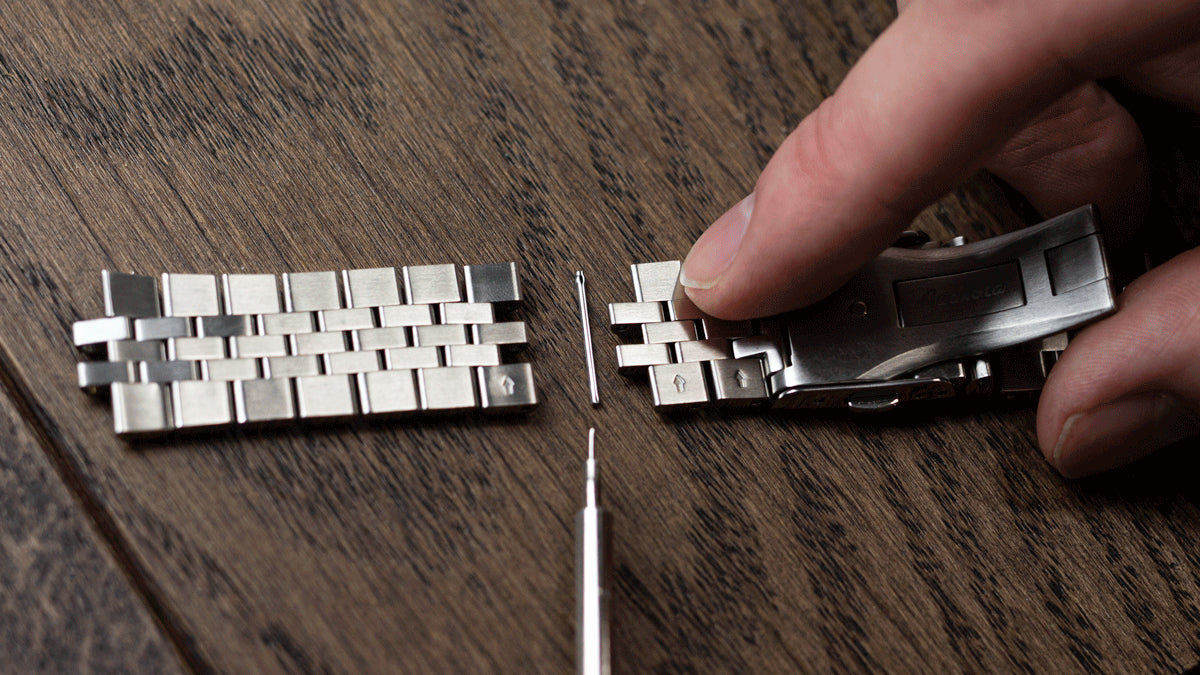
Metal link bracelets are popular for their durability and style. These bands consist of small metal links connected by pins. You adjust the size by removing or adding links. Use a pin pusher or small tool to push pins out. Look for tiny arrows on the back of the links that show pin direction. Remove the same number of links from both sides to keep the clasp centered.
Leather And Fabric Straps
Leather and fabric straps offer a classic and soft feel. These bands usually have holes punched along the strap. Adjust the size by moving the buckle pin to a different hole. Some fabric straps use hook-and-loop fasteners or buckles for easy size changes. Leather bands may stretch a little over time, so check the fit regularly.
Clasp Variations
Watch clasps come in different styles, affecting how you adjust the band. Deployant clasps open like a butterfly and often have micro-adjustments. These small changes let you fine-tune the fit without removing links. Fold-over clasps use a locking mechanism and may have removable links. Hook clasps and tang buckles are common on fabric and leather straps, allowing quick size changes.
Tools Needed
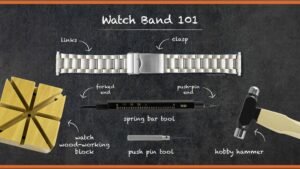
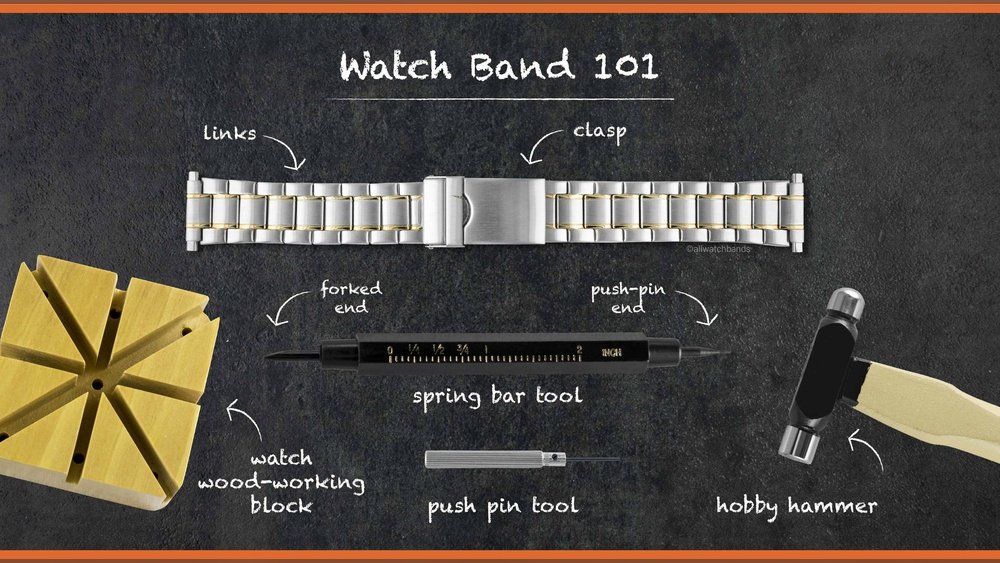
Adjusting a watch band needs specific tools to work smoothly. Using the right tools makes the process easier and prevents damage. Below are the essential tools you need to adjust most watch bands effectively.
Pin Pushers And Screwdrivers
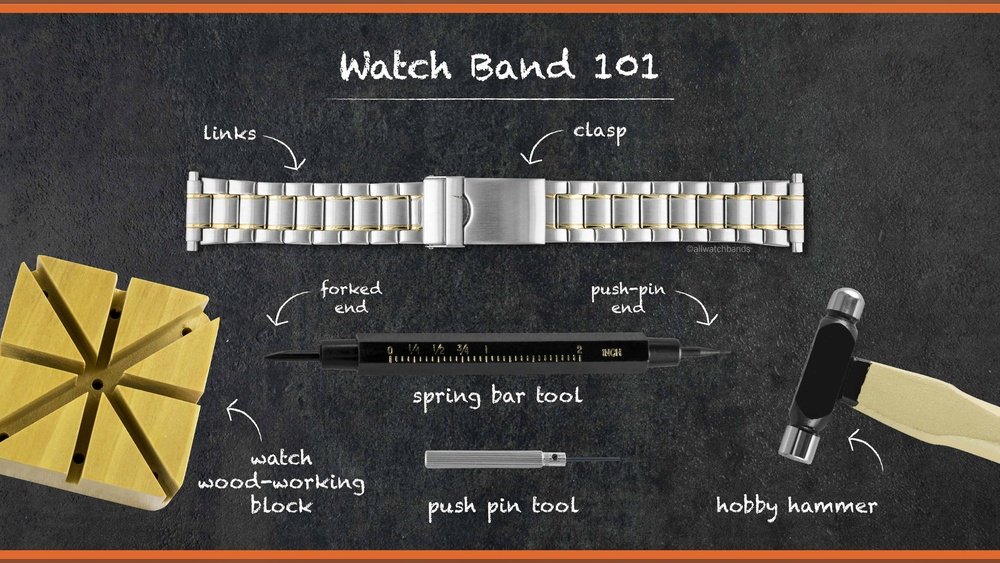
Pin pushers help remove pins from metal link bands. They fit into small holes on the links to push pins out carefully. Small screwdrivers, often flathead types, assist with screws in some watch bands. Use the correct size to avoid stripping screws or damaging the band.
Spring Bar Tools
Spring bar tools are designed to remove and insert spring bars. These bars connect the watch strap to the watch case. The tool has a forked end that fits under the spring bar to release it gently. This tool works well with leather, fabric, and metal straps that use spring bars.
Additional Accessories
A soft cloth protects your watch and work surface from scratches. A small hammer or mallet helps tap pins out carefully when needed. Tweezers aid in handling tiny pins or screws. Having these accessories improves precision and safety during adjustment.
Adjusting Metal Link Bands
Adjusting metal link bands allows you to fit your watch comfortably. The process needs simple tools and patience. This section guides you through each step clearly.
Locate Directional Arrows
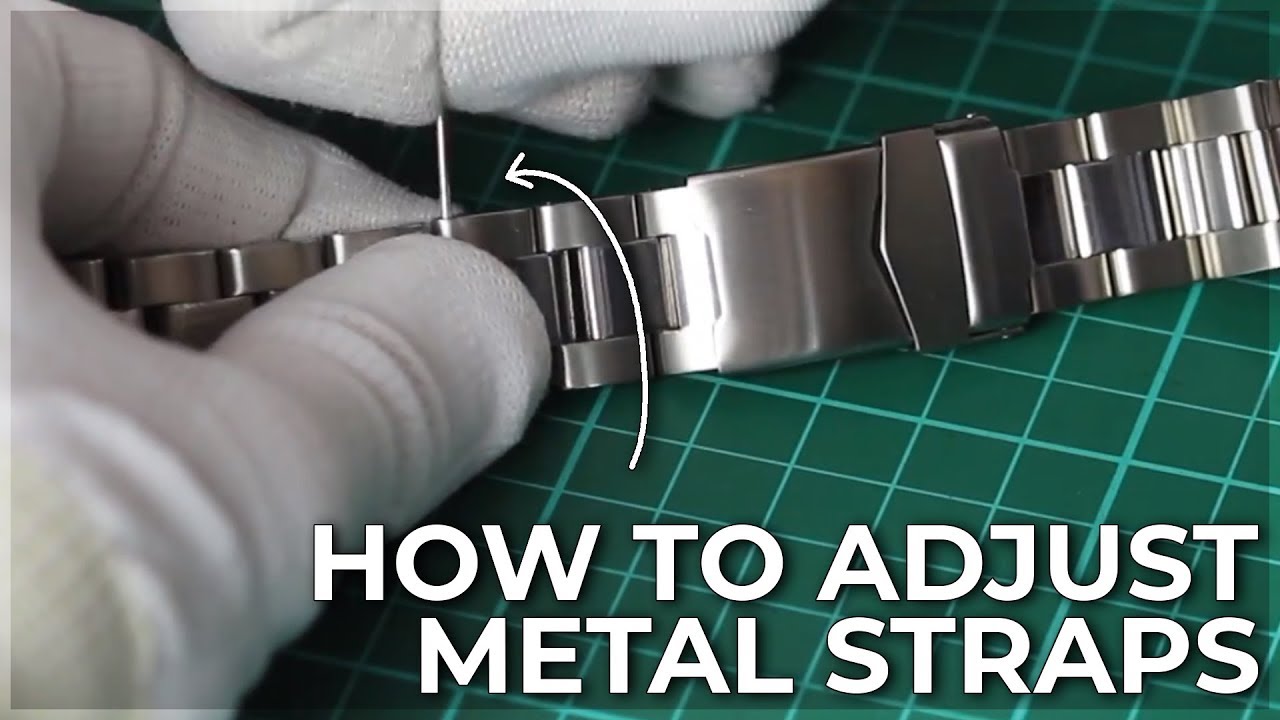
Turn your metal band over to find small arrows on the back of the links. These arrows show the direction to push the pins out. Always push pins in the arrow’s direction to avoid damage.
Removing Pins And Links
Place the watch band on a soft cloth to protect it. Use a pin pusher or small tool aligned with the pin’s end. Gently tap or push the pin out following the arrow’s direction. Remove the pins carefully to detach the links.
Take out the number of links needed to fit your wrist. Keep removed pins and links safe for future use.
Reassembling The Band
Line up the remaining links and reinsert the pins in the opposite direction of the arrows. Push pins fully into place using your tool or gently tap with a small hammer. Check that the band feels secure and moves smoothly.
Adjusting Leather And Fabric Straps
Leather and fabric watch straps offer comfort and style but often need adjustment for the perfect fit. These straps usually use spring bars or clasps that allow resizing without removing links like metal bands. Adjusting these straps is simple and requires minimal tools. Follow these steps to ensure your watch fits snugly and looks great.
Using The Spring Bar Tool
The spring bar tool helps detach the strap from the watch case. It has a small forked end to press the spring bar inward. Place the watch face down on a soft cloth to avoid scratches. Carefully insert the tool between the strap and the lug to compress the spring bar. Gently pull the strap away once the spring bar is free. Repeat on the other side if needed. This allows you to swap straps or adjust the strap holes for better sizing.
Micro-adjusting The Clasp
Many leather and fabric straps feature a clasp with micro-adjustment holes. These let you fine-tune the strap length without removing it. Open the clasp and locate the small pin inside. Use a small tool or a toothpick to push the pin out. Move the clasp to a different hole for a tighter or looser fit. Press the pin back into place securely. Test the fit and adjust again if necessary. This method offers quick and easy strap length changes.
Tips For A Perfect Fit
Adjusting a watch band for the perfect fit requires care and attention. Small details matter to ensure comfort and secure wear. Follow these tips to make the process smooth and safe.
Work On A Stable Surface
Choose a flat, steady surface to work on. A stable area keeps the watch steady and prevents slips. Use a soft cloth or mat to avoid scratches on your watch.
Handle Parts Gently
Watch bands have small, delicate parts. Apply gentle pressure when removing or adding links. Rough handling can damage pins or links, making adjustment harder or costly.
Keep Removed Parts Safe
Store removed pins and links in a small container. Keep all parts together to avoid losing them. Lost parts can make future adjustments difficult or impossible.
Check For Screws
Some watch bands use screws instead of pins. Identify screw heads before starting. Use the correct screwdriver to avoid stripping or damaging screws.
Credit: www.watchgecko.com
Common Challenges
Adjusting a watch band can be tricky. Certain issues often slow down the process. Knowing these common challenges helps prepare and handle them better. Here are some typical problems you might face.
Stubborn Pins
Some watch pins refuse to move easily. They may be tightly fitted or slightly rusted. This makes pushing them out tough without damaging the band. Using the right tools and steady pressure is key. Gentle taps with a pin pusher or small hammer often help loosen them.
Small Screws
Watch bands with screws need careful handling. These screws are tiny and can slip or strip easily. Holding the screwdriver steady is important to avoid damage. A precision screwdriver set works best. Patience is necessary to unscrew without losing the parts.
Delicate Materials
Leather, fabric, or thin metal bands require gentle care. Rough tools or too much force can tear or scratch them. Use soft cloths and avoid metal tools on sensitive surfaces. Adjust slowly and check the fit often to avoid ruining the material.
Maintenance After Adjustment
After adjusting your watch band, proper maintenance helps keep it comfortable and lasting longer. Small care steps prevent damage and ensure the fit stays perfect. Regular checks and cleaning support the band’s appearance and function.
Cleaning The Band
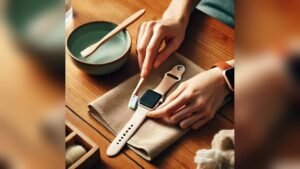
Wipe your watch band gently with a soft cloth daily. For metal bands, use a damp cloth with mild soap to remove dirt and sweat. Avoid harsh chemicals to prevent damage. Dry the band well before wearing it again. Leather bands need less water; instead, use a leather cleaner or conditioner. Keep fabric straps dry to avoid smells and wear.
Checking The Fit Regularly
Wear your watch and check the fit every few days. The band should feel snug but not tight. Adjust if it feels loose or causes skin marks. Changes in weather or wrist size may affect comfort. Regular fit checks stop the band from slipping or causing discomfort during daily use.

Credit: www.youtube.com
Frequently Asked Questions
Can I Adjust The Watch Band Myself?
Yes, you can adjust many watch bands yourself using basic tools like pin pushers or spring bar tools. For metal bands, remove links by pushing pins in the arrow’s direction. Leather or fabric straps adjust via spring bars or clasp micro-adjustments.
Work gently and keep all parts safe.
How To Make A Watch Band Tighter Without Removing Links?
Tighten a watch band by adjusting the clasp position or using micro-adjustment slots. Move the spring bar to a tighter slot without removing links. This method works well for metal and leather straps with adjustable clasps.
How Do I Take Links Out Of My Watch?
Use a pin pusher or small screwdriver to push out pins following arrow directions on links. Remove equal links from both sides. For leather straps, press spring bars to adjust or move the clasp. Work on a flat surface and keep removed parts safe.
How To Reduce The Size Of A Watch Bracelet?
To reduce a watch bracelet size, remove links by pushing out pins following arrow directions. Use a pin pusher and work on a flat surface. For leather straps, adjust the clasp or move spring bars to different holes for a better fit.
Conclusion
Adjusting your watch band is simple with the right steps and tools. Take your time to remove or add links carefully. Make sure the fit feels comfortable and balanced on your wrist. Small changes can make a big difference in how your watch feels.
Practice these tips to keep your watch secure and stylish every day. Now, you can enjoy wearing your watch without any hassle or discomfort.