Is your bracelet watch feeling too loose or uncomfortably tight? Getting the perfect fit isn’t just about comfort—it also keeps your watch safe and looking sharp on your wrist.
Adjusting your bracelet watch might seem tricky at first, but with the right steps, you can easily resize it yourself without a trip to the jeweler. In this guide, you’ll learn simple, clear techniques to adjust different types of watch bracelets quickly and confidently.
Keep reading to discover how to make your watch fit just right, so you can wear it comfortably every day.
Bracelet Types
Bracelet watches come with different types of bands. Each type has a unique way to adjust size. Knowing the type helps you resize your watch easily. This section explains three common bracelet types.
Understanding these types makes adjustment faster and safer. It also prevents damage to your watch or bracelet.
Metal Link Bracelets
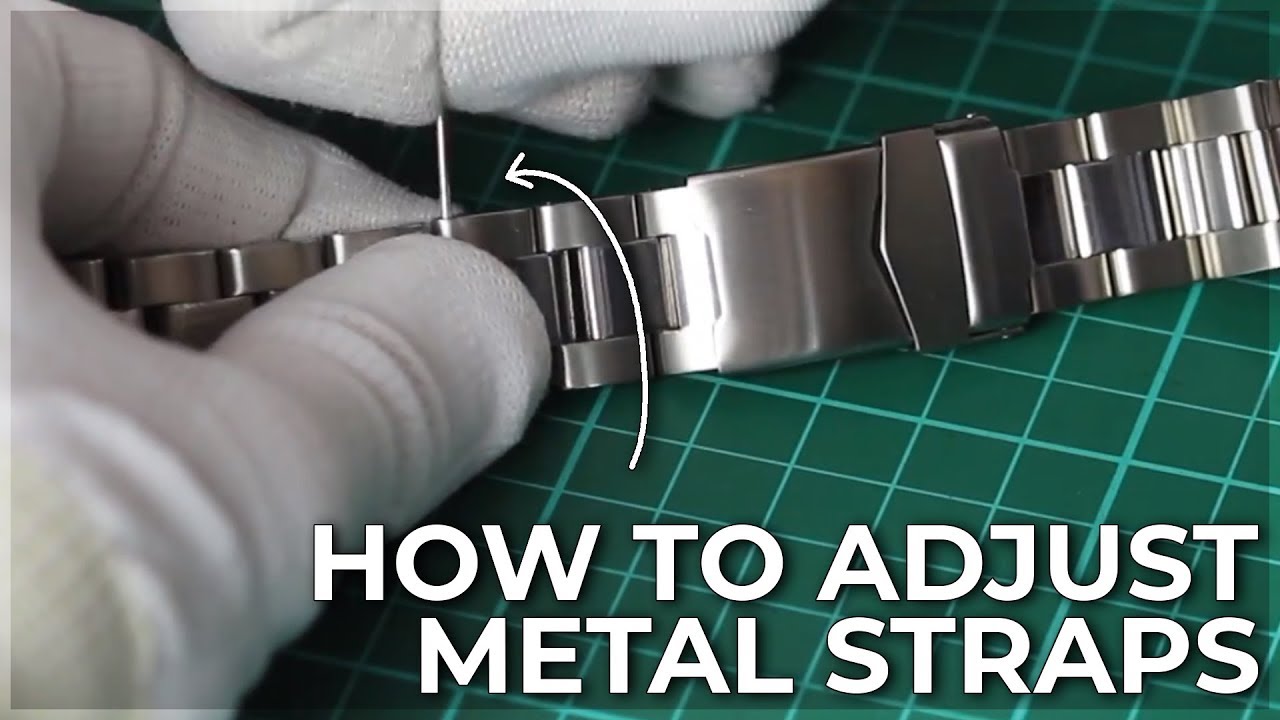
Metal link bracelets consist of multiple metal pieces connected by pins. To adjust, you remove or add links using a small tool. Push out the pins carefully to avoid scratches. Remove enough links to fit your wrist comfortably. Reinsert the pins to secure the bracelet again. This type is durable and offers a classic look.
Sliding Clasp Bracelets
Sliding clasp bracelets use a clasp that slides along the band for size changes. Lift the small tab or lever on the clasp with a tiny tool. Slide the clasp to the desired position on the bracelet. Press the clasp down firmly until it clicks into place. Test the fit to make sure it feels secure. This method is quick and requires no link removal.
Mesh Bands
Mesh bands are made of woven metal strands. They have adjustable clasps similar to sliding clasps. Open the clasp by lifting the locking tab. Slide the clasp along the mesh to adjust the size. Close the clasp to lock the position. Mesh bands are flexible and comfortable for many wrist shapes.
Credit: www.youtube.com
Tools Needed
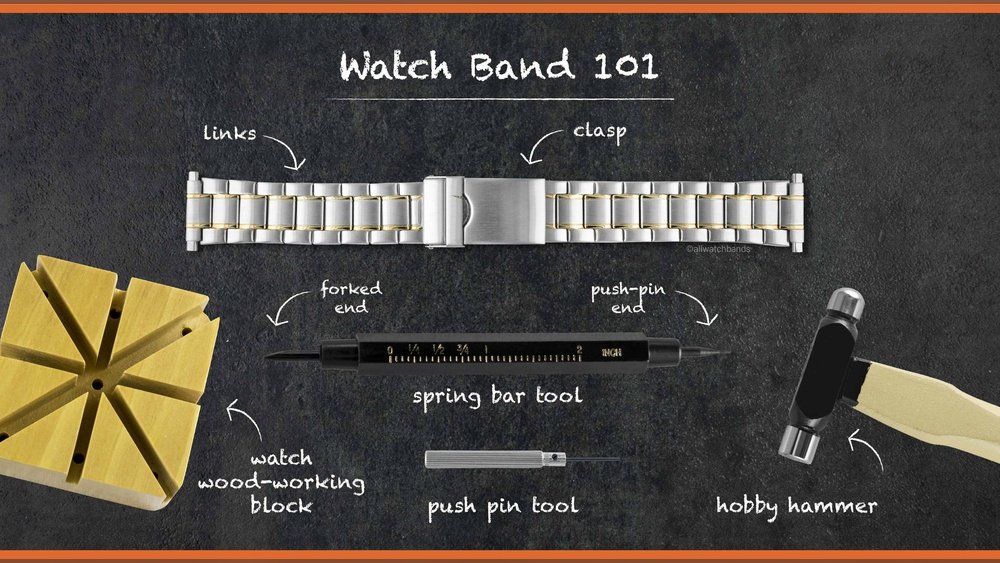
To adjust a bracelet watch properly, having the right tools is essential. These tools help remove or add links safely and prevent damage. Using the correct items makes the process easier and more precise.
Prepare a clean, soft surface to avoid scratches. Choose tools that fit the size of your watch pins and screws. Here are the main tools you will need.
Small Flathead Screwdriver
A small flathead screwdriver helps loosen tiny screws on some watch bracelets. It works well on screws that hold links together. Use one that matches the screw size to avoid slipping or damage.
Pin Removal Tools
Pin removal tools push out the pins that connect bracelet links. They come in sets with different sized tips for various watches. These tools make it easy to remove or add links without harming the bracelet.
Soft Cloth Surface
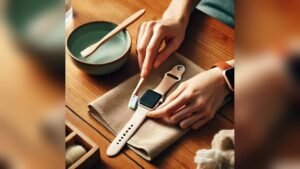
Place your watch on a soft cloth surface during adjustment. This protects it from scratches and keeps small parts from rolling away. A clean, soft cloth also provides a stable workspace to work carefully.
Measuring Your Wrist
Measuring your wrist is the first step to adjust a bracelet watch properly. A correct measurement ensures the watch fits comfortably and looks good. Use simple tools like a soft tape or a strip of paper to get your wrist size. Take your time to measure accurately before making any adjustments.
Estimating Size
Wrap a soft tape measure or paper strip around your wrist. Place it just below the wrist bone, where the watch will sit. Mark the point where the tape or paper meets. Avoid pulling it too tight or leaving it too loose. This estimate gives you the wrist circumference for your watch adjustment.
Marking Adjustment Points
Use a pen to mark the exact spot on the paper or tape where it overlaps. This mark shows the precise wrist size. Transfer this measurement to your watch bracelet. Identify how many links to add or remove for a perfect fit. Mark each link carefully to avoid errors during adjustment.

Credit: lavinateriadelcall.com
Removing Links
Removing links from a bracelet watch lets you adjust its size for a perfect fit. This process involves locating small pins, pushing them out carefully, and reinserting them after removing the needed links. Each step requires patience and simple tools.
Finding Link Pins
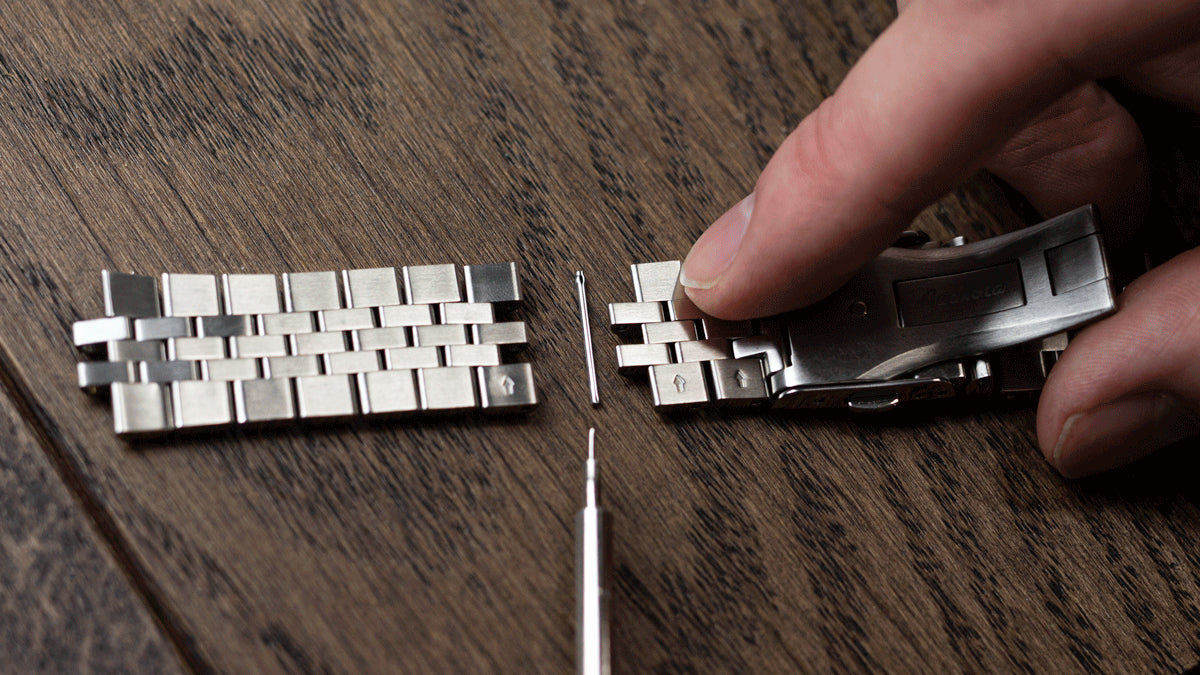
Look at the side of the bracelet to spot tiny holes. These holes hold the pins that connect the links. Some bracelets have arrows showing the direction to push the pins out. Use good lighting to see the pins clearly.
Pushing Out Pins
Use a small push tool or pin pusher to press the pin out in the arrow direction. Apply steady pressure until the pin slides out slightly. Then, use pliers or fingers to pull the pin completely out. Remove only the number of links needed.
Reinserting Pins
After removing links, line up the bracelet ends to reconnect. Insert the pin back into the holes carefully. Push the pin in fully using the tool or by hand. Make sure the pin sits flush and the bracelet feels secure.
Adjusting Sliding Clasp
Adjusting a sliding clasp on your bracelet watch helps achieve a perfect fit. The sliding clasp lets you change the bracelet length without removing links. This feature is common on metal mesh and some link bracelets. Follow these simple steps to adjust the clasp accurately and comfortably.
Locating The Notch
First, find the small notch on the clasp. It is usually a tiny indentation or slot on the clasp’s edge. This notch holds the clasp tab in place. Identifying it correctly is key to opening the clasp safely without damage.
Opening The Clasp Tab
Use a small flathead screwdriver or a similar thin tool. Gently insert it into the notch. Carefully lift or pry the clasp tab upwards. Open it just enough to slide the clasp without forcing or bending the metal. Handle with care to avoid scratches.
Sliding To Desired Position
Once the clasp tab is open, slide the clasp along the bracelet. Move it to the spot that fits your wrist best. Try the bracelet on to check the comfort. Adjust the position slowly until the fit feels snug but not tight.
Securing The Clasp
After sliding to the right place, press the clasp tab back down firmly. You should hear a click sound. This means the clasp is locked in position. Test the bracelet by gently pulling the clasp to ensure it stays secure. Repeat adjustments if needed.
Micro Adjustments
Micro adjustments help fine-tune the fit of your bracelet watch. They allow small changes without removing or adding links. This method is perfect for minor size tweaks that improve comfort. Many bracelet watches come with built-in options for micro adjustments.
These small changes make your watch fit better throughout the day. Wrist size can change due to temperature or activity. Micro adjustments help keep your watch snug, avoiding too much tightness or looseness.
Using Clasp Grooves
Most metal bracelet watches have grooves inside the clasp. These grooves let you move the spring bar to different positions. Use a small tool or pin to push the spring bar out gently. Slide the clasp along the grooves to the desired position.
Make sure the spring bar fits securely in the new groove. This change adjusts the bracelet length by a few millimeters. It is a quick way to improve your watch’s comfort without extra tools.
Testing The Fit
After adjusting the clasp, wear your watch for a moment. Check if it feels too tight or loose on your wrist. Your watch should move slightly but not slide around. Wrist movement and daily tasks can reveal if more adjustments are needed.
Try bending your wrist or shaking your arm gently. This helps you decide if the current fit is right. A good fit keeps your watch stable and comfortable all day.
Repeating Adjustments
You may need to repeat the micro adjustment process a few times. Small changes add up, so move the clasp one groove at a time. Each adjustment should be tested for comfort and security. Take your time to find the perfect fit.
Do not force the spring bar into a groove. If it does not fit easily, try another position. Proper micro adjustments keep your watch safe and comfortable for daily wear.
Tips For Mesh Bands
Mesh bands offer a sleek, modern look and a comfortable fit. Adjusting them correctly keeps your watch secure and comfortable throughout the day. These bands require gentle handling due to their fine metal links. Proper adjustment ensures the mesh stays intact and looks neat on your wrist.
Sliding Into Grooves
Locate the clasp on the mesh band. Use a small tool to lift the clasp carefully. Slide the clasp along the grooves to change the size. Move it slowly to avoid damage. Once in the right spot, press the clasp down firmly. This locks the band in place. Check the fit by wearing the watch briefly.
Avoiding Over-bending
Mesh bands are flexible but can break if bent too much. Bend the band gently when adjusting or putting on the watch. Avoid sharp or quick bends on the mesh links. Over-bending can cause permanent damage. Keep the band flat and smooth as you work with it. This preserves the band’s strength and appearance.
Ensuring Secure Lock
After adjusting the clasp, make sure it locks tightly. Press down until you hear a click or feel resistance. A loose clasp can cause the watch to fall off. Test by gently pulling the band near the clasp. If it moves or slides, readjust and press firmly again. A secure lock protects your watch and provides peace of mind.
Credit: www.watchgecko.com
Safety Precautions
Adjusting a bracelet watch requires care and attention. Safety precautions protect both your watch and yourself. Small parts can easily get lost or damaged. Scratches can ruin the look of your watch. Working on the right surface helps keep everything safe and organized.
Handling Small Parts
Bracelet watches have tiny pins and links. Handle these small parts with care. Use tweezers or a small tool for better grip. Keep all parts in a container to avoid losing them. Work slowly and focus on each step to prevent mistakes.
Avoiding Scratches
Scratches damage the metal and lower your watch’s value. Avoid wearing rings or bracelets while adjusting the watch. Use plastic or wooden tools instead of metal ones. Be gentle when pushing or pulling pins. Check your work area to keep sharp objects away.
Working On Soft Surfaces
Soft surfaces protect your watch from scratches and dents. Use a cloth, towel, or rubber mat as your workspace. This surface prevents parts from bouncing away when dropped. It also cushions your watch during adjustments. Keep your workspace clean and well-lit for better visibility.
When To Seek Help
Knowing when to seek help is key to properly adjusting your bracelet watch. Some adjustments require special tools and skills. Avoid damage by recognizing limits. Let experts handle complex resizing tasks. This keeps your watch safe and looking great.
Professional Resizing Services
Professional resizing services offer precise adjustments. Experts use tools designed for delicate watch parts. They remove or add links without scratching the bracelet. These services ensure a perfect fit and maintain watch value. Professionals can also fix clasp issues quickly. Trusting them avoids costly mistakes and frustration.
Using Authorized Dealers
Authorized dealers provide trusted resizing solutions for your watch brand. They have the right tools and genuine parts. Many offer free resizing when you buy a watch. Dealers understand brand-specific designs and avoid damage. Visiting an authorized dealer protects your warranty. They also offer advice on proper watch care.
Frequently Asked Questions
Can You Adjust A Watch Bracelet Yourself?
Yes, you can adjust a watch bracelet yourself by removing links or sliding the clasp. Use small tools carefully to avoid damage.
Can A Bracelet Watch Be Resized?
Yes, a bracelet watch can be resized by adding or removing links. Use proper tools or visit a jeweler for precise adjustments.
How To Adjust A Sliding Clasp Bracelet?
To adjust a sliding clasp bracelet, gently lift the clasp tab with a small tool. Slide the clasp to fit your wrist. Press it down firmly until it clicks. Test the fit and repeat if needed. Ensure the clasp locks securely to prevent slipping.
How Do I Adjust The Size Of My Bracelet?
To adjust your bracelet size, open the clasp using a small tool. Slide it to fit your wrist, then press firmly until it clicks securely. Remove links if needed by pushing out pins carefully. Test the fit and repeat adjustments until comfortable.
Conclusion
Adjusting your bracelet watch ensures a comfortable fit all day long. Use simple tools and follow clear steps carefully. Removing or adding links changes the size easily. Sliding clasps also offer quick adjustments without removing links. Always check the fit after adjusting to avoid discomfort.
Take your time and work gently to protect your watch. A well-fitted bracelet looks better and feels great on your wrist. Now, enjoy wearing your watch with confidence and style.