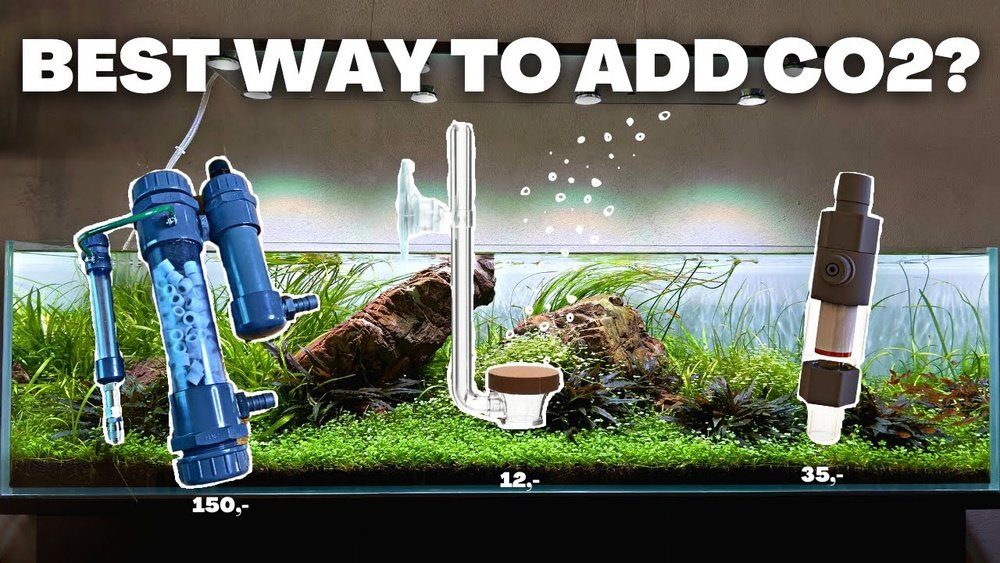
If you want your aquarium plants to thrive and your underwater world to look vibrant, adding CO2 is a game-changer. But how do you add CO2 to your aquarium safely and effectively?
Whether you’re a beginner or looking to improve your setup, this guide will walk you through simple methods to boost your plants’ growth and keep your fish happy. By the end, you’ll know exactly what to do to create a healthy, flourishing aquatic environment that you’ll love to watch every day.
Keep reading to discover easy, practical steps to add CO2 to your aquarium like a pro.
Benefits Of Co2 In Aquariums
Adding CO2 to an aquarium offers many benefits for plants and fish. It supports a healthy, balanced environment. Proper CO2 levels help plants grow faster and stronger. This creates a stable and vibrant underwater world. Here are some key benefits of CO2 in aquariums.
Boosting Plant Growth
Plants need carbon dioxide to perform photosynthesis. More CO2 means plants can produce food efficiently. This speeds up their growth and development. Healthy plants absorb nutrients better and resist diseases. Faster growth also helps plants outcompete algae.
Improving Water Chemistry
CO2 lowers the water’s pH to a safe, stable range. This creates a better environment for fish and plants. Balanced pH reduces stress on aquatic life. CO2 also helps cycle nutrients that plants need. This keeps the water clean and clear.
Enhancing Aquascape Aesthetics
Thriving plants create lush and vibrant aquascapes. Bright green leaves and strong stems add beauty. Healthy plants also improve oxygen levels in the water. Clear water and lively plants make the aquarium more enjoyable. CO2 helps maintain a natural, attractive look.
Types Of Co2 Systems
Adding CO2 to your aquarium helps plants grow strong and healthy. Different CO2 systems suit various budgets and skill levels. Understanding each type helps you pick the right one for your tank. Below are the main types of CO2 systems used in aquariums.
Pressurized Canister Systems
Pressurized canister systems deliver CO2 from a gas cylinder. They offer a steady and controllable CO2 supply. These systems include a regulator and diffuser to control gas flow. They are ideal for larger or heavily planted tanks. Setup requires careful handling but provides consistent results. Regular refills of the CO2 cylinder keep the system running smoothly.
Diy Yeast-based Systems
Yeast-based systems create CO2 through fermentation. They use simple ingredients like yeast, sugar, and water. The mixture ferments in a sealed bottle, producing CO2 gas. This gas flows through tubing into the aquarium. It is cost-effective and easy for beginners. The CO2 output varies and needs frequent maintenance. Best for small tanks or those new to CO2 injection.
Liquid Carbon Supplements
Liquid carbon supplements add carbon directly to the water. They contain compounds that plants can absorb easily. These supplements do not release gas but work chemically. They are simple to use and require no special equipment. Suitable for low-tech aquariums or where CO2 gas systems are not possible. Dosage must follow product instructions to avoid harming fish.
Setting Up Pressurized Co2
Setting up pressurized CO2 in your aquarium helps plants grow healthier and faster. It requires careful installation of several parts. Follow these steps to ensure your system works well and safely.
Choosing The Right Cylinder
Select a CO2 cylinder that fits your tank size and space. Small cylinders are easier to handle but need frequent refills. Larger cylinders hold more gas and last longer.
Check the cylinder’s material. Steel cylinders are common and affordable. Aluminum cylinders are lighter but cost more. Always buy from a trusted supplier for safety.
Installing The Regulator And Solenoid
The regulator controls the CO2 flow to your aquarium. Attach it firmly to the cylinder using a wrench if needed. Make sure all connections are tight to avoid leaks.
The solenoid acts as an automatic on/off switch. Connect it to a timer to control CO2 injection times. This helps prevent excess CO2 buildup during the night.
Placing The Diffuser And Check Valve
Place the diffuser inside the tank, near the bottom. It breaks CO2 into tiny bubbles for better absorption. Position it away from filter outlets for even gas spread.
Install a check valve between the diffuser and tubing. It stops water from flowing back into the CO2 system. This protects your equipment from damage and keeps the setup safe.
Creating A Diy Yeast Co2 System
Creating a DIY yeast CO2 system is a cost-effective way to add carbon dioxide to your aquarium. This method uses common household ingredients to produce CO2 naturally. It suits small to medium tanks and beginners who want to try CO2 injection without expensive equipment.
Yeast ferments sugar and releases CO2 gas. The gas travels through tubing and diffuses into the water. This process helps aquatic plants grow healthy and green. The system is simple to build and maintain with basic tools.
Mixing Ingredients And Bottling
Start with clean plastic bottles, usually 1 or 2 liters. Add warm water to the bottle, about three-quarters full. Mix in white sugar and dry yeast. A common ratio is 1 cup sugar, 1 teaspoon yeast, and 1 liter of water.
Stir the sugar until it dissolves well. Add the yeast last without stirring too much. Seal the bottle tightly with a cap. Make a small hole in the cap for the tubing.
Connecting Tubing And Diffuser
Use flexible airline tubing to connect the bottle to the aquarium. Insert one end through the hole in the bottle cap. Attach the other end to a CO2 diffuser inside the tank.
Place the diffuser near plants and away from strong water flow. This helps spread CO2 evenly in the water. Secure the tubing to avoid leaks or disconnections.
Maintaining And Troubleshooting
Check the bottle daily for CO2 bubbles. Replace the mixture every 2 to 4 weeks. Clean the bottle before refilling to avoid buildup.
If bubbles stop, check for clogs in the tubing or diffuser. Make sure the bottle cap is sealed tightly. Adjust sugar and yeast amounts if CO2 production is too slow or too fast.
Optimizing Co2 Distribution
Optimizing CO2 distribution in your aquarium is essential for healthy plant growth. Proper spread of CO2 ensures all plants receive enough carbon dioxide for photosynthesis. Poor distribution can cause some areas to lack CO2, slowing plant development.
Effective CO2 circulation also prevents gas buildup in one spot. This can keep fish safe and maintain water quality. Focus on diffuser placement, water movement, and monitoring CO2 levels.
Diffuser Placement Tips
Place the diffuser near the bottom of the tank. This allows bubbles to rise slowly and dissolve better. Avoid placing it too close to the surface where CO2 escapes quickly.
Put the diffuser opposite the filter outlet. This creates a flow that spreads CO2 evenly. Try to keep it away from decorations that block bubbles.
Using Powerheads For Circulation
Powerheads help move water and CO2 around the aquarium. Position them to push water across the tank’s length. This mixes CO2-rich water with other areas.
Adjust powerhead speed to avoid disturbing plants. Strong currents can harm delicate leaves. Gentle circulation improves CO2 spread without stress.
Monitoring Co2 Levels
Use a drop checker to track CO2 concentration. It changes color based on CO2 amount in water. Aim for a green color to ensure safe levels.
Test regularly, especially after adjusting CO2 or circulation. High CO2 can harm fish, while low CO2 limits plant growth. Balance is key.

Credit: www.aquariumcoop.com
Measuring And Adjusting Co2
Measuring and adjusting CO2 in your aquarium is essential for healthy plant growth. Too much or too little CO2 can harm your fish and plants. Careful monitoring helps you keep the balance just right. Use simple tools and tests to check CO2 levels regularly.
Using Drop Checkers
Drop checkers show CO2 concentration in the water. They contain a special liquid that changes color based on CO2 levels. Green means good CO2 levels for plants. Yellow shows low CO2, and blue means too much CO2. Place the drop checker near the filter output for accurate results. Check the color every day and adjust CO2 accordingly.
Ph And Kh Testing
Testing pH and KH helps estimate CO2 levels indirectly. KH measures water hardness, which affects pH stability. Use a pH test kit and a KH test kit to get readings. Use a CO2 chart to find the CO2 level from these numbers. Regular testing helps maintain stable CO2 levels and prevents sudden changes in water chemistry.
Balancing Co2 And Oxygen
High CO2 can reduce oxygen in the water. Fish and other creatures need oxygen to survive. Maintain a balance by adjusting CO2 injection times and bubble rates. Turn off CO2 at night since plants use oxygen then. Use an air stone or strong filter flow to increase oxygen levels if needed. Watch your fish for signs of stress to know if oxygen is low.
Safety And Maintenance
Adding CO2 to your aquarium improves plant growth and water quality. Safety and maintenance are key to keep your setup running smoothly. Proper care protects both your fish and equipment. This section covers how to handle CO2 safely and maintain your system well.
Handling Co2 Cylinders Safely
Always store CO2 cylinders upright and in a secure place. Avoid dropping or hitting the cylinder. Use a proper wrench to attach the regulator tightly. Open the valve slowly to prevent pressure shocks. Keep cylinders away from heat sources and direct sunlight. Check for leaks regularly using soapy water on connections. Never inhale CO2 gas directly, as it can be harmful. Follow all manufacturer instructions for safe use.
Regular Equipment Checks
Inspect your CO2 system weekly to ensure everything works well. Check hoses for cracks or wear and replace if needed. Clean the diffuser to avoid blockages that reduce CO2 flow. Test the regulator and pressure gauge for accuracy. Monitor CO2 levels in the aquarium with a drop checker. Replace empty CO2 cylinders promptly to avoid disruptions. Regular maintenance extends equipment life and keeps fish safe.
Preventing Algae Growth
Excess CO2 can cause algae to grow rapidly. Maintain a balanced CO2 level suited to your plants. Avoid leaving lights on for too long, as this encourages algae. Remove algae manually during water changes. Use algae-eating fish or snails to help control growth naturally. Keep nutrients balanced by not overfeeding your fish. Clean the tank regularly to reduce algae buildup.
Common Mistakes To Avoid
Adding CO2 to your aquarium can boost plant growth and create a healthy environment. Avoiding common mistakes is key to success. Small errors can harm plants and fish or waste CO2. This section highlights three frequent mistakes and how to prevent them.
Overdosing Co2
Too much CO2 lowers oxygen levels in the water. Fish may struggle to breathe or even die. Monitor CO2 with a drop checker or pH controller. Keep CO2 levels steady and avoid sudden changes. Start with low doses and increase slowly if needed.
Poor Diffuser Placement
Placing the diffuser in the wrong spot reduces CO2 absorption. Position it near the filter outflow for better gas distribution. Avoid placing it too high or in stagnant water. Proper placement helps CO2 spread evenly and reach all plants.
Neglecting Plant Nutrients
CO2 alone does not guarantee healthy plant growth. Plants also need nutrients like nitrogen, potassium, and iron. Check and balance your aquarium’s nutrient levels regularly. Lack of nutrients causes poor growth even with CO2 added.
Enhancing Growth Beyond Co2
Adding CO2 to your aquarium boosts plant growth significantly. Yet, CO2 alone cannot ensure healthy, vibrant plants. Plants need more than carbon dioxide to thrive. Nutrients, light, and proper plant selection play key roles. Focus on these factors to enhance your aquarium’s growth beyond CO2.
Supplementing With Fertilizers
Plants require essential nutrients like nitrogen, potassium, and phosphorus. Fertilizers provide these nutrients in forms plants can absorb. Liquid fertilizers work well for most aquariums. Root tabs benefit plants with heavy root systems. Regular dosing keeps nutrient levels balanced. Overdosing can harm fish and plants, so follow instructions carefully.
Optimizing Lighting
Light drives photosynthesis, the process plants use to grow. Use aquarium lights designed for planted tanks. Choose bulbs with the right color spectrum and intensity. Too little light slows growth; too much can cause algae. Set a timer to provide 8 to 10 hours of light daily. Consistent lighting supports steady and healthy plant growth.
Choosing Compatible Plants
Select plants that suit your aquarium’s conditions and your skill level. Some plants need high light and CO2, while others grow easily with less care. Fast-growing plants help reduce algae by using nutrients quickly. Avoid overcrowding; give each plant space to grow. Research each plant’s needs before adding it to your tank.

Credit: www.aquariumgardens.co.uk

Credit: www.youtube.com
Frequently Asked Questions
How Do I Put Co2 In My Fish Tank?
Attach the CO2 regulator to the cylinder securely. Open the valve slowly. Place a diffuser in the tank opposite the filter outflow. Ensure even CO2 distribution for healthy plants. Monitor levels to avoid overdosing and maintain fish safety.
How Can I Increase Co2 In My Aquarium Naturally?
Increase CO2 naturally by adding live aquatic plants and using yeast-sugar fermentation setups. Stir water gently to aid CO2 diffusion.
What Are The Signs Of Co2 Deficiency In An Aquarium?
Signs of CO2 deficiency include slow plant growth, yellowing or transparent leaves, algae overgrowth, and curling or melting leaves. Plants may appear weak and pale without enough CO2.
Can You Add Liquid Co2 To An Aquarium?
Yes, you can add liquid CO2 to an aquarium using a pressurized system with a diffuser. It helps plants grow better.
Conclusion
Adding CO2 to your aquarium helps plants grow healthy and strong. Use the right system for your tank size and budget. Check your setup often to keep CO2 levels safe for fish. Proper placement of the diffuser spreads CO2 evenly in water.
This simple step improves plant health and water quality. Enjoy a greener, more vibrant aquarium with balanced CO2. Small efforts make a big difference in your aquatic garden. Keep learning and adjusting for the best results. Your plants will thank you!