Are you ready to make a simple change that benefits both your body and the planet? Choosing eco friendly menstrual products isn’t just about being green—it’s about caring for your health, saving money, and reducing waste.
Imagine using period products free from harsh chemicals, made with natural materials, and designed to be reused or biodegrade safely. Whether you’re tired of the discomfort from synthetic pads or want to cut down on plastic trash, this guide will help you discover the best eco friendly menstrual options that fit your lifestyle.
Keep reading to find out how you can make your period greener, cleaner, and more comfortable starting today.
Eco-friendly Materials
Eco-friendly menstrual products use materials that reduce harm to the planet and your body. These materials avoid harsh chemicals and synthetic fibers. They come from natural, renewable, or reusable sources. Choosing such products helps lower waste and pollution. They also support better health during menstruation.
Organic Cotton Pads And Tampons
Organic cotton is grown without pesticides or chemicals. Pads and tampons made from organic cotton feel soft and breathable. They reduce the risk of irritation and allergic reactions. These products break down faster in the environment. They cause less pollution than conventional cotton items.
Bamboo-based Products
Bamboo grows quickly and requires little water or fertilizer. Pads and liners made from bamboo are naturally antibacterial. They absorb moisture well and feel gentle on the skin. Bamboo products are biodegradable and compostable. Their production has a smaller carbon footprint than synthetic materials.
Medical-grade Silicone Options
Medical-grade silicone is safe, flexible, and durable. Menstrual cups and discs made from this material can last for years. Silicone is hypoallergenic and easy to clean. These products reduce waste by replacing disposable pads and tampons. Silicone menstrual products offer comfort and reliable protection.
Reusable Period Products
Reusable period products offer a smart, eco-friendly alternative to disposables. They reduce waste and save money over time. Many people find them comfortable and easy to use. These options come in different styles to suit various needs and preferences.
Choosing reusable products helps protect the environment by cutting down on plastic and chemical use. They are made from safe, natural materials that are gentle on the skin. Reusables also provide reliable protection during periods.
Cloth Pads With Secure Fastenings
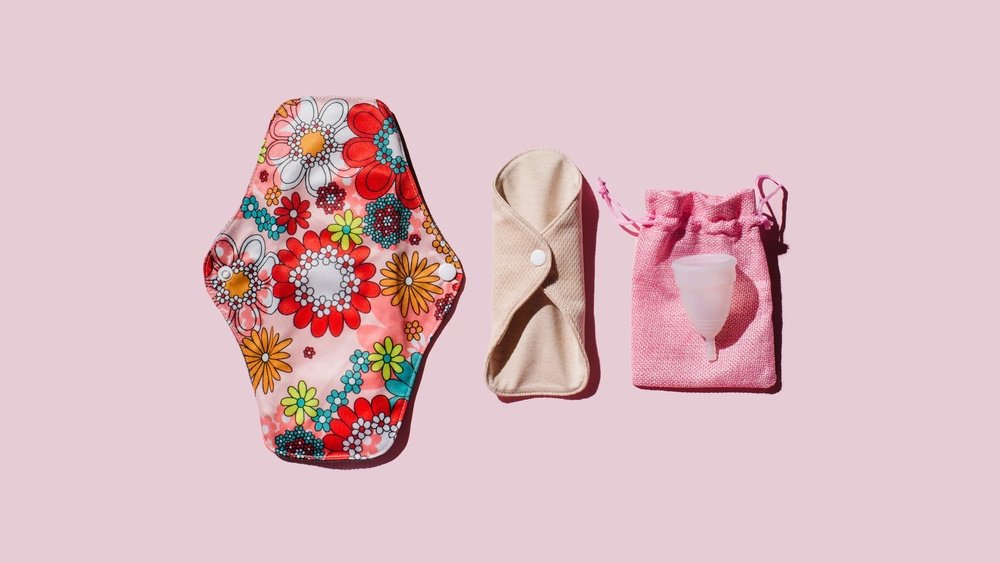
Cloth pads are soft, washable, and made from natural fabrics. They attach to underwear using snaps or Velcro. This keeps them in place through daily activities. Cloth pads come in many sizes and absorbencies for day or night use. They dry quickly and can be reused for years.
Menstrual Cups And Discs
Menstrual cups are flexible cups made of medical-grade silicone. They collect menstrual fluid instead of absorbing it. Cups fit inside the vagina and create a leak-proof seal. Menstrual discs sit higher in the vaginal canal and hold fluid securely. Both can be worn for up to 12 hours and reused for years after cleaning.
Period Underwear Features
Period underwear looks like regular underwear but has absorbent layers inside. These layers trap fluid and prevent leaks without extra products. The fabric stays breathable and feels comfortable all day. Many styles and sizes are available to suit different flows. They are machine washable and dry quickly for reuse.
Health Benefits Of Sustainable Choices
Choosing eco friendly menstrual products offers more than environmental benefits. These sustainable options also improve personal health. Many conventional products contain chemicals and synthetic materials. These can irritate sensitive skin and disrupt natural balance. Sustainable menstrual products use natural, safe materials that protect your body. Switching to these options reduces health risks and supports overall well-being.
Reducing Chemical Exposure
Many traditional pads and tampons have fragrances and dyes. These chemicals can cause irritation and discomfort. Organic cotton pads and tampons avoid these harmful additives. They are free from pesticides and synthetic substances. Using natural products lowers the risk of chemical absorption. This means fewer toxins enter your body during menstruation.
Minimizing Allergic Reactions
Synthetic fibers in disposable products often trigger allergic reactions. Symptoms include redness, itching, and swelling. Eco friendly menstrual products use soft, natural fabrics like bamboo or organic cotton. These materials are gentle on the skin. Reusable cloth pads and menstrual cups reduce the chance of allergies. They provide a safer, more comfortable experience for sensitive users.
Supporting Vaginal Health
Maintaining a healthy vaginal environment is crucial. Conventional products can disrupt the natural pH and flora. This disturbance may lead to infections or discomfort. Sustainable options allow better breathability and moisture control. Menstrual cups and period underwear help maintain natural balance. Using these products supports vaginal health and reduces irritation.
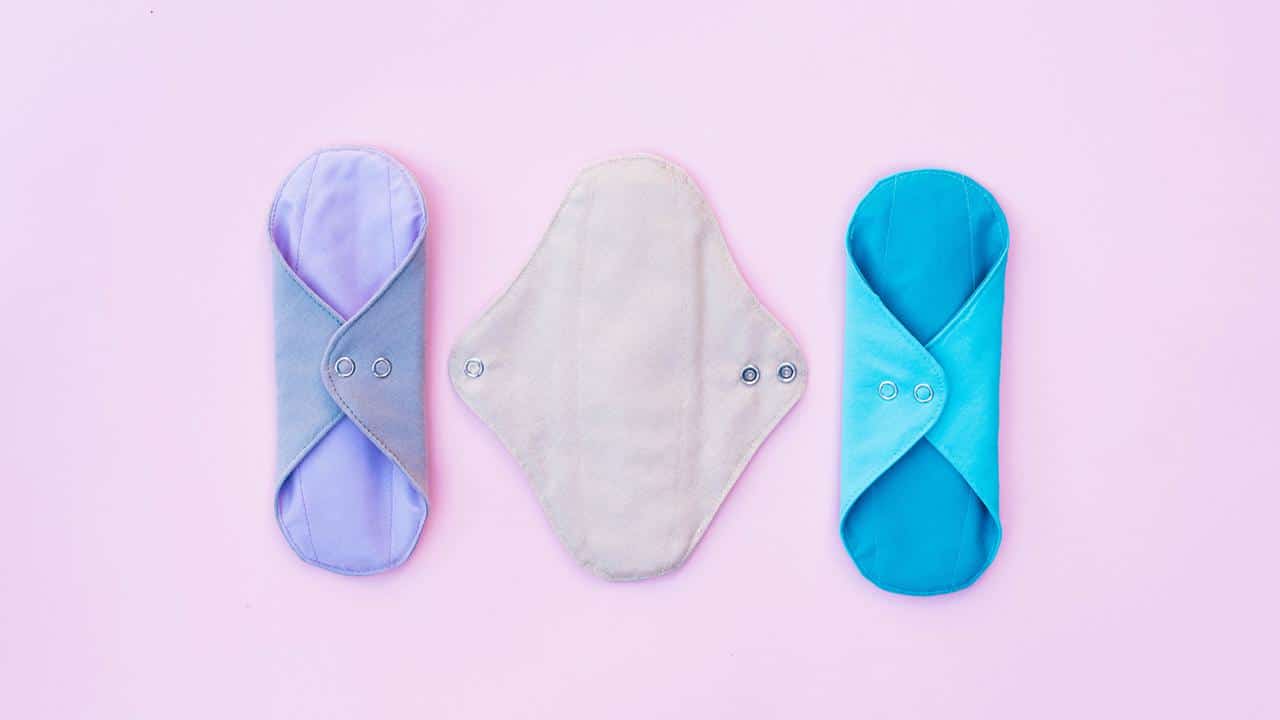
Credit: www.ecowatch.com
Environmental Impact
The environmental impact of menstrual products is a crucial factor in choosing sustainable options. Traditional disposable products generate a large amount of waste that harms the planet. Eco friendly menstrual products offer a cleaner, greener alternative. Their design aims to reduce pollution and conserve resources. Understanding their environmental benefits helps make informed choices.
Waste Reduction
Disposable pads and tampons create tons of waste yearly. Most end up in landfills and oceans, taking hundreds of years to break down. Eco friendly products like reusable cloth pads and menstrual cups cut down this waste significantly. They can be used for years, reducing the need for constant disposal. This reduces the volume of harmful trash in the environment.
Lower Carbon Footprint
Producing disposable menstrual products requires energy and raw materials. This process releases greenhouse gases that contribute to climate change. Eco friendly options often use less energy in manufacturing. Reusable products reduce the need for frequent production and shipping. This lowers the overall carbon footprint linked to menstrual care.
Biodegradability Of Materials
Many traditional products contain plastics and synthetic fibers that do not biodegrade. They remain in nature for centuries, polluting land and water. Eco friendly menstrual products often use natural materials like organic cotton and bamboo. These materials break down faster and return nutrients to the soil. Biodegradable products help reduce long-term pollution and protect ecosystems.
Choosing Safe Products
Choosing safe eco friendly menstrual products is key for health and comfort. Many products contain chemicals or dyes that may cause irritation or allergies. Knowing how to pick safe options helps avoid these risks. Safe products also protect the environment by using natural materials. This section explains how to choose menstrual products that are safe and gentle on the body.
Avoiding Harsh Chemicals And Dyes
Many menstrual products have chemicals that can harm your skin. Perfumes, chlorine, and synthetic dyes are common irritants. Choose products labeled as free from fragrances and dyes. Organic cotton pads and tampons usually avoid these harsh ingredients. Natural materials reduce the risk of rashes or infections. Always read the ingredient list before buying.
Recognizing Trusted Certifications
Certifications show products meet safety and environmental standards. Look for labels like GOTS (Global Organic Textile Standard) or OEKO-TEX. These marks ensure no harmful chemicals are used. Certifications also confirm the product is made sustainably. Buying certified products gives peace of mind about safety and eco-friendliness. Check packaging carefully for these trusted signs.
Proper Cleaning And Care
Reusable menstrual products need careful cleaning to stay safe. Wash cloth pads and period underwear with gentle soap and hot water. Avoid fabric softeners or bleach, as they can damage the material. Menstrual cups should be sterilized regularly by boiling. Proper care prevents bacteria buildup and extends product life. Follow the manufacturer’s instructions for best results.

Credit: inhabitat.com
Cost And Convenience
Choosing eco friendly menstrual products involves thinking about cost and convenience. These factors matter most for daily use and long-term satisfaction. Understanding how these products save money and fit into your life helps make smart choices. Convenience means ease of use, cleaning, and how easy it is to find these products near you.
Long-term Savings
Eco friendly menstrual products often cost more upfront. Reusable items like menstrual cups and cloth pads last for years. This reduces the need to buy disposable products every month. Over time, these products save a lot of money. Fewer purchases mean less waste and lower monthly expenses. This makes them a budget-friendly choice for many.
Ease Of Use And Maintenance
Many reusable products are simple to use once you get used to them. Menstrual cups require emptying and rinsing, which is easy with practice. Cloth pads and period underwear need washing but dry quickly. These products do not require frequent trips to the store. Proper care keeps them fresh and safe for long-term use. They fit well into daily routines without much hassle.
Availability And Accessibility
Eco friendly menstrual products are available in many stores and online. Some brands focus on organic and natural materials, making them easy to find. Urban areas like Austin, Texas, have more options in local shops. Online shopping expands access to a wider range of products. Accessibility continues to improve as demand grows for sustainable options.
Cultural Practices And Trends
Menstrual products vary widely across cultures, shaped by traditions, beliefs, and available resources. These cultural practices influence which products people choose and how they use them. Trends are shifting as awareness about health and the environment grows. Exploring these changes reveals a diverse global picture of menstrual care.
Global Menstrual Product Preferences
Preferences differ greatly worldwide. In some countries, disposable pads dominate due to convenience. Others favor reusable options like cloth pads or menstrual cups for cost savings and eco-friendliness. Cultural norms also guide choices. For example, many Asian countries prefer tampons or menstrual cups for active lifestyles. In contrast, some African regions use locally made reusable cloth pads. These choices often reflect access, education, and comfort.
Influence Of Lifestyle And Activity
Daily activities affect menstrual product use. Active individuals often select products allowing freedom of movement. Athletes, dancers, and performers may prefer menstrual cups or tampons for their discreet fit. Rural communities might lean toward reusable pads due to limited product availability. Urban areas show rising trends in sustainable products, driven by lifestyle changes and environmental concerns. Comfort and practicality remain top priorities.
Changing Attitudes Toward Sustainability
Awareness of environmental impact is growing worldwide. Many now reject single-use products that create waste. Eco-friendly menstrual products gain popularity as people seek healthier, greener options. Schools and organizations promote reusable pads and cups for sustainability. Younger generations especially embrace these choices to reduce plastic pollution. This shift challenges old habits and encourages more mindful consumption.

Credit: hormoneuniversity.com
Frequently Asked Questions
What Is The Most Eco-friendly Period Product?
The most eco-friendly period products are reusable menstrual cups, organic cotton pads, and period underwear. They reduce waste and avoid harmful chemicals.
What Do Koreans Use For Menstruation?
Koreans mainly use tampons and menstrual cups for convenience and freedom of movement. Pads are less common but still used.
Why Do Muslims Wash Their Pads?
Muslim women may wash pads for modesty, hygiene, or personal comfort. Islam does not require washing pads after use.
What Is The Healthiest Menstrual Product?
The healthiest menstrual products use organic cotton or medical-grade silicone. Options include organic pads, tampons, menstrual cups, and reusable period underwear. These reduce chemical exposure, are eco-friendly, and support long-term health. Choose products free from dyes, fragrances, and chlorine for safer periods.
Conclusion
Choosing eco friendly menstrual products helps protect your health and the planet. They reduce waste and avoid harmful chemicals. Options like organic cotton pads, menstrual cups, and reusable underwear offer comfort and safety. Small changes in your routine can make a big difference over time.
Embrace sustainable choices for cleaner, greener periods. Your body and Earth will thank you.