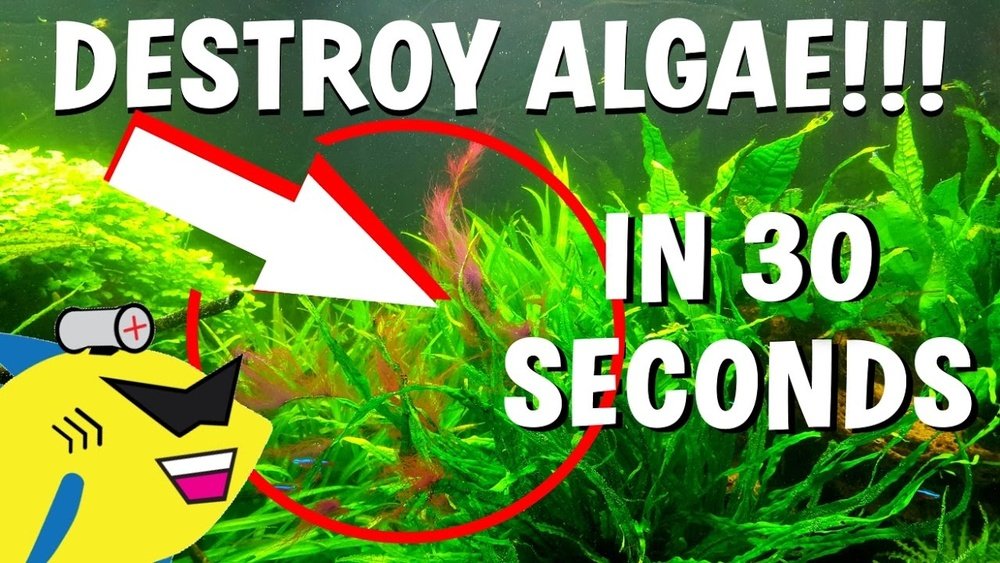
Is your aquarium looking more like a green swamp than a clear underwater paradise? Algae can quickly take over your tank, how to get rid of Algae aquarium making it hard to see your fish and spoiling the beauty you worked so hard to create.
But don’t worry—you can take control and restore your aquarium to a clean, healthy environment. In this guide, you’ll discover simple, effective steps to get rid of algae fast and keep it from coming back. Whether you’re battling stubborn green slime or those annoying spots on your glass, you’ll find practical tips that anyone can follow.
Ready to bring the sparkle back to your aquarium and enjoy your underwater world again? Let’s dive in!
:strip_icc()/aquarium-algae-1379979_final-6b736aaf0f954f899b841b2a40cee73c.jpg)
Credit: www.thesprucepets.com
Manual Algae Removal
Manual algae removal is a simple and effective way to keep your aquarium clean. It helps control algae growth before it spreads too much. Regular cleaning improves water quality and makes your tank look great. Use tools like scrapers, brushes, and siphons to remove algae from different surfaces carefully.
Scrub Glass And Surfaces
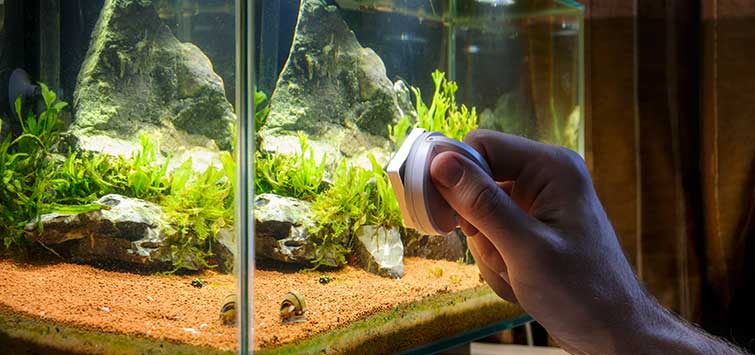
Start by scrubbing the aquarium glass to remove algae buildup. Use an algae scraper or sponge designed for aquariums. Clean both inside and outside surfaces for clear viewing. Be gentle to avoid scratching the glass. This step helps stop algae from blocking light and keeps your tank bright.
Brush Plants And Decorations
Algae also grow on plants and decorations. Use a soft brush to clean artificial plants and ornaments. For live plants, gently brush leaves to avoid damage. Remove stubborn algae spots to prevent spread. Clean decorations regularly to maintain a healthy and attractive aquarium.
Siphon Debris From Substrate
Use a siphon to vacuum the substrate and remove algae debris. This prevents decay and harmful buildup in the tank. Move the siphon slowly to avoid disturbing fish. Clean the substrate during water changes for best results. This step helps keep your aquarium environment healthy and fresh.

Credit: www.youtube.com
Water Maintenance
Water maintenance plays a vital role in controlling algae growth in your aquarium. Clean, well-maintained water limits nutrients that algae need to thrive. Regular care helps keep your tank healthy and clear. Focus on two key practices: water changes and filter upkeep.
Perform Regular Water Changes
Changing water regularly reduces excess nutrients and waste. Replace 10-20% of the water weekly to keep the environment stable. Use a siphon to remove debris from the gravel. Fresh water lowers nitrate and phosphate levels that feed algae. Always use treated water to protect fish and plants.
Clean And Maintain Filter
The filter traps waste and particles that cause algae growth. Clean filter media gently to avoid killing beneficial bacteria. Rinse sponges and cartridges in tank water during water changes. Replace filter parts as recommended by the manufacturer. A well-maintained filter improves water clarity and quality.
Lighting Control
Lighting control plays a vital role in managing algae growth in aquariums. Algae thrive on light, so adjusting lighting can limit their spread effectively. Proper control helps maintain a healthy environment for fish and plants.
Adjust Light Duration
Limit the aquarium light to 6-8 hours daily. Excessive light encourages algae to grow rapidly. Use a timer to keep the lighting schedule consistent. Avoid leaving the lights on overnight or for long periods.
Shorter lighting periods reduce algae’s food source. Plants still get enough light without promoting algae bloom. Regularly check and adjust the schedule as needed.
Use Appropriate Light Intensity
Choose light intensity suitable for your aquarium plants, not too bright. High-intensity lights boost algae growth quickly. Lower intensity slows algae while supporting plant health.
LED lights often work well because you can adjust their brightness. Avoid placing the tank near direct sunlight. Bright natural light can cause uncontrolled algae growth.
Credit: www.tfhmagazine.com
Feeding Habits
Feeding habits play a key role in controlling algae growth in your aquarium. Uneaten food breaks down and increases nutrients in the water. These nutrients feed algae, causing it to spread quickly. By managing how much and how often you feed your fish, you reduce the excess food. This helps keep algae under control naturally.
Avoid Overfeeding
Overfeeding is a common cause of algae growth. Feed your fish only what they can eat in a few minutes. Remove any leftover food promptly to stop it from rotting. Less food means fewer nutrients for algae to thrive. Use a small scoop or measuring tool to control portion sizes. This simple step cuts down on excess waste and keeps your water cleaner.
Incorporate Fasting Days
Fasting days help keep your aquarium balanced. Skip feeding your fish once or twice a week. This allows your tank to clear out leftover food and waste. Fasting reduces nutrient buildup that algae feed on. It also gives fish a break and can improve their health. Use fasting days as a natural way to limit algae growth without chemicals.
Natural Algae Control
Natural algae control uses living elements to balance your aquarium. It avoids harsh chemicals and keeps fish safe. This method helps maintain a healthy, clear tank. It works by limiting algae growth naturally.
Add Live Aquatic Plants
Live plants compete with algae for nutrients and light. They absorb nitrates and phosphates, which algae need to grow. Plants also produce oxygen, improving water quality. Adding fast-growing plants like hornwort or water sprite is ideal. These plants help keep algae under control naturally.
Introduce Algae-eating Fish
Some fish species eat algae as part of their diet. Otocinclus catfish and Siamese algae eaters are popular choices. They clean algae from glass and decorations. These fish help reduce algae without harming other tank inhabitants. Feeding them properly keeps them healthy and active.
Use Algae-eating Invertebrates
Snails and shrimp are excellent algae cleaners. Nerite snails and Amano shrimp eat algae off plants and surfaces. They work quietly and do not disturb fish. Adding these invertebrates supports natural algae control. Keep an eye on their population to maintain balance.
Biological Solutions
Biological solutions offer a natural way to control algae in your aquarium. They work by balancing the ecosystem inside the tank. These methods help reduce algae growth without harsh chemicals. Using living organisms or natural processes keeps your fish safe and the water clean.
Add Beneficial Bacteria
Beneficial bacteria compete with algae for nutrients. Adding these bacteria helps lower the nutrients algae need to grow. You can buy bacterial supplements designed for aquariums. These bacteria break down waste and reduce harmful substances. Regular use creates a healthy environment and limits algae growth.
Install Uv Sterilizer
A UV sterilizer uses ultraviolet light to kill algae spores. It clears free-floating algae in the water. Installing one keeps your aquarium water clear and bright. The sterilizer works silently and does not harm fish or plants. It is effective for controlling algae and some harmful bacteria.
Preventing Algae Growth
Stopping algae before it starts is the best way to keep your aquarium clean. Algae need certain conditions to grow. Adjusting these conditions helps control algae naturally. Prevention saves time and effort later.
Balance Nutrients In Water
Algae thrive on excess nutrients like nitrates and phosphates. Keep these nutrient levels low by not overfeeding fish. Remove uneaten food quickly. Regular water changes also reduce nutrient buildup. Use a good filter to trap waste and debris. Test water often to monitor nutrient levels. Balanced nutrients limit algae growth and support healthy fish.
Control Aquarium Environment
Light plays a big role in algae growth. Limit aquarium lighting to 8-10 hours daily. Avoid placing the tank in direct sunlight. Maintain proper water temperature for your fish and plants. Stable conditions reduce stress and algae chances. Clean decorations and plants regularly to remove algae spores. A well-controlled environment keeps algae in check and fish healthy.
Frequently Asked Questions
How Do I Get Rid Of Algae In My Fish Tank Fast?
Scrub algae off tank surfaces using a scraper or sponge. Vacuum debris with a siphon. Perform frequent partial water changes. Reduce lighting and avoid overfeeding. Add live plants or algae-eating fish to control regrowth quickly.
What Kills Algae Without Killing Fish?
Use natural methods like adding algae-eating fish, snails, or shrimp. Install a UV sterilizer and add floating plants. Perform regular water changes and avoid overfeeding to control algae without harming fish.
Will Water Changes Help With Algae?
Yes, regular water changes reduce excess nutrients that feed algae. This helps control algae growth and keeps the aquarium clean.
What Is The Fastest Way To Get Rid Of Algae?
Scrub aquarium surfaces using an algae scraper, then siphon debris and vacuum substrate during a water change. Reduce lighting and add algae-eating fish or plants. Perform regular water changes and avoid overfeeding to prevent algae regrowth effectively and quickly.
Conclusion
Keeping your aquarium free from algae takes simple, regular care. Clean the tank often and control light exposure. Use algae-eating fish or snails to help naturally. Avoid overfeeding your fish to reduce nutrients. Regular water changes keep the environment healthy.
These steps work together to stop algae growth. Your aquarium will stay clear and beautiful. Enjoy a healthy tank with happy fish every day.