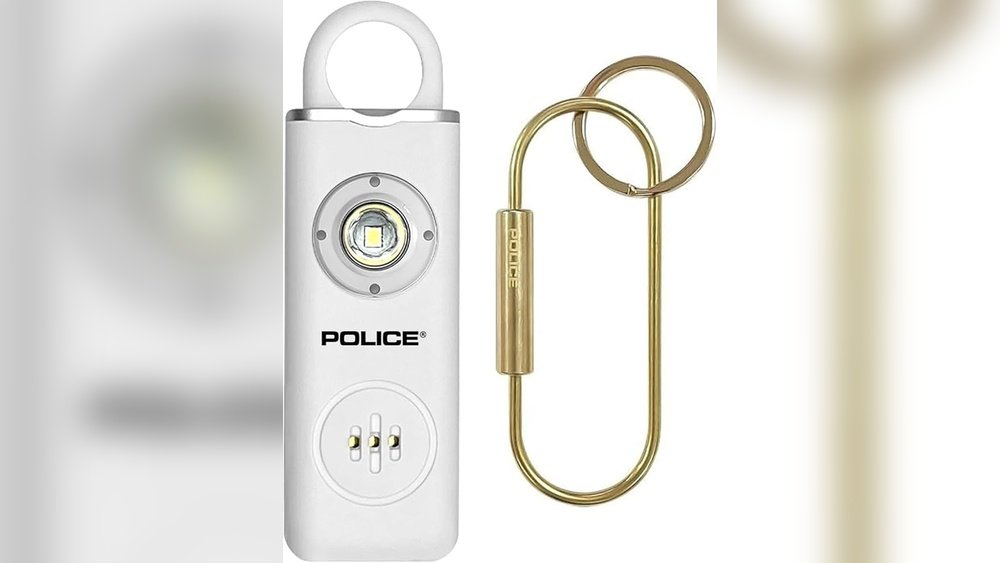
You want to feel safer wherever you go, right? Carrying a personal safety alarm keychain is one of the smartest ways to protect yourself.
But why buy one when you can make your own? Imagine having a loud, reliable alarm right at your fingertips, ready to draw attention whenever you need it most. In this guide, you’ll learn exactly how to create a personal safety alarm keychain that’s simple, effective, and tailored just for you.
Stay with me, and by the end, you’ll have a powerful tool to boost your confidence and safety every day.
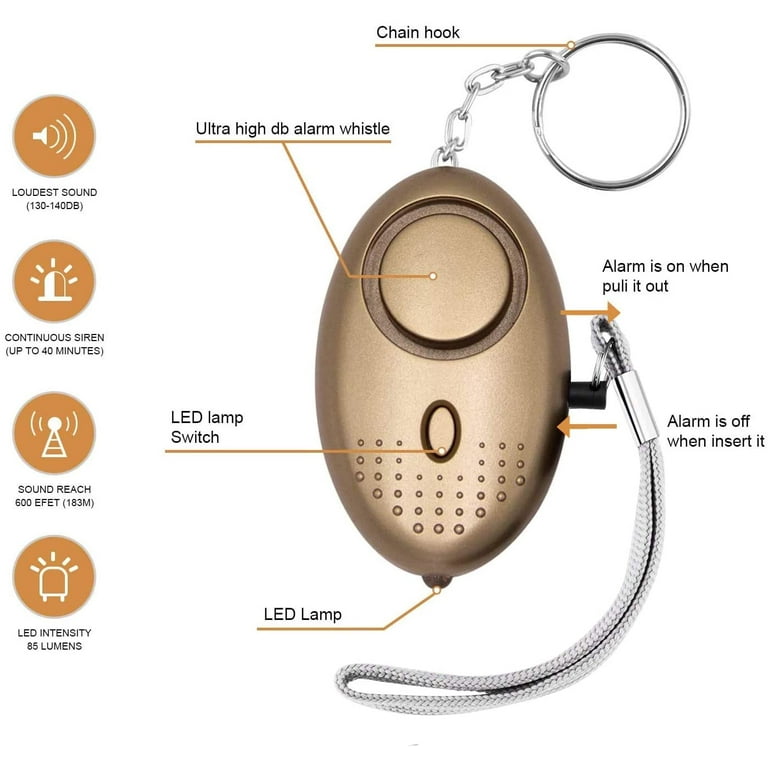
Credit: www.walmart.com
Materials Needed
Gathering the right materials is the first step to creating a personal safety alarm keychain. Having all parts ready makes the assembly smooth and quick. This section breaks down the essential components and some optional add-ons to enhance your keychain.
Essential Components
- Mini buzzer or alarm module – the sound source
- Small battery – powers the alarm
- Switch or pull-pin – activates the alarm
- Keychain ring – for easy carrying
- Compact casing – holds all parts securely
- Wires – connect all electrical parts
- Soldering kit or tape – to join wires firmly
Optional Add-ons
- LED light – adds visibility in dark places
- Waterproof casing – protects against rain and sweat
- Glow-in-the-dark paint – helps find the keychain at night
- Extra loud buzzer – increases sound volume
- Decorative charms – personalize your keychain
- Vibration motor – adds silent alert option
Tools Required
Gathering the right tools is the first step to making a personal safety alarm keychain. Having these tools ready will make the process smooth and enjoyable. Each tool plays a key role in assembling your alarm quickly and efficiently.
Basic Electronics Kit
A basic electronics kit usually contains small tools like wire cutters, pliers, and a screwdriver. These tools help handle tiny parts with ease. They also assist in connecting wires and securing components.
Battery And Buzzer
A small battery powers your alarm. Choose a compact one like a button cell or AAA battery. The buzzer is the sound device that creates the loud alarm noise. Make sure it matches the battery voltage.
Wires And Connectors
Thin wires connect the battery to the buzzer. Use insulated wires to avoid short circuits. Small connectors or soldering tools help join wires securely.
Keychain Ring
A sturdy keychain ring holds your alarm and makes it easy to carry. Choose a metal ring that fits comfortably on your keys or bag.
Protective Casing
The casing protects the electronic parts. Use a small plastic or metal box that fits all components. It also keeps the alarm safe from damage and weather.
Basic Alarm Circuit
The basic alarm circuit forms the heart of your personal safety alarm keychain. It controls how the alarm sounds when triggered. This simple circuit uses a few key components that work together. Understanding these parts helps you build a reliable and effective alarm.
Battery Setup
The battery powers the entire alarm circuit. Use a small, lightweight battery like a 9V or coin cell. Connect the battery terminals correctly to avoid damage. Secure the battery in a holder for easy replacement. Proper battery setup ensures the alarm works whenever needed.
Buzzer Connection
The buzzer creates the loud warning sound. Choose a buzzer with a high decibel rating. Connect one buzzer wire to the battery’s positive terminal. Attach the other wire to the circuit’s output side. This setup allows the buzzer to activate instantly when triggered.
Wiring Basics
Wiring links all components in the circuit. Use insulated wires to prevent short circuits. Connect wires firmly to avoid loose contacts. Follow the circuit diagram carefully to ensure correct connections. Clean wiring helps the alarm function smoothly without interruptions.
Pull Mechanism Design
The pull mechanism design is the heart of a personal safety alarm keychain. It controls how the alarm activates quickly and reliably. A well-made pull mechanism ensures that the alarm sounds immediately when needed. This design uses a simple pull tab connected to a trigger inside the device.
When the tab is pulled, it releases the trigger, completing the circuit and setting off the loud alarm. The design must be sturdy yet easy to use in emergencies. It should avoid accidental activation while being quick to trigger. Careful attention to the pull mechanism improves the alarm’s effectiveness and user confidence.
Trigger Setup
The trigger setup involves connecting the pull tab to the alarm’s activation switch. Use a small spring or latch that holds the circuit open. The pull tab keeps this latch in place. When pulled, the latch moves, closing the circuit and turning on the alarm.
Choose materials that resist wear and tear. Test the trigger several times to ensure it activates smoothly. The trigger must reset easily after use. A simple design with few parts reduces failure risk.
Securing The Pull Tab
Securing the pull tab prevents accidental alarm activation. Attach the tab firmly but allow free movement when pulled. Use a small ring or loop to hold the tab in place. It should not slip or fall off during normal use.
Check the tab’s length and grip. It should be easy to grab but not too loose. Wrap the tab with a soft material to improve hold. Proper securing keeps the alarm ready for emergencies without false triggers.
Assembly Steps
Assembling your personal safety alarm keychain is a simple process that anyone can follow. This section breaks down the steps to help you put all parts together correctly. Each step ensures your alarm works well and stays durable. Follow these instructions carefully to create a reliable safety tool.
Attaching Components
Start by gathering all parts: the alarm unit, battery, switch, and keychain ring. Connect the battery to the alarm unit securely. Use small wires to link the switch so you can activate the alarm easily. Make sure each connection is tight to avoid loose contacts. Test the alarm by pressing the switch; it should sound immediately. Attach the keychain ring to the alarm casing’s loop. This lets you carry the alarm on your keys or bag.
Enclosure Options
Choose a sturdy case to protect the alarm components. Plastic enclosures are lightweight and easy to drill for switches. Metal cases offer better durability but need careful handling during assembly. Custom 3D printed cases provide a perfect fit for your parts. Ensure the case has holes for the sound to escape clearly. Secure the enclosure with screws or strong adhesive. This keeps your alarm safe from drops and moisture.
Testing The Alarm
Testing the personal safety alarm keychain is a crucial step. It ensures the device works properly before relying on it in an emergency. A quick test confirms the alarm produces a loud sound and the components connect well.
Function Check
Start by activating the alarm as designed. Pull the pin or press the button firmly. Listen closely for a loud, sharp noise. The sound should be clear and reach at least 120 decibels. This volume is needed to attract attention and deter threats. Make sure the alarm lasts for at least 30 seconds without fading. Check that the keychain parts are secure and not loose. If the alarm works as expected, it is ready for use.
Troubleshooting Tips
If the alarm does not sound, first check the battery. Replace it with a fresh one if needed. Ensure all wires or connections are tight and properly linked. Look for any damage to the buzzer or casing. Clean any dirt or debris that might block the sound. Test again after fixing these issues. If problems persist, consider rebuilding the alarm or using a different buzzer. Regular tests keep the device reliable and ready.
Customization Ideas
Customizing your personal safety alarm keychain makes it both practical and unique. Personal touches can improve its function and style. Simple changes help your keychain fit your daily needs. Here are some ideas to enhance your alarm keychain.
Waterproofing
Protect your keychain from rain and spills. Use waterproof spray or a small clear case. Seal any openings with silicone or tape. This keeps the alarm working in wet conditions. A waterproof keychain lasts longer and stays reliable.
Adding Lights
Attach small LED lights for visibility at night. Choose lights with easy on/off switches. Lights help you find keys in the dark. They also draw attention in emergencies. Battery-powered lights are simple to install and replace.
Personalizing The Design
Use colorful beads, charms, or stickers to decorate. Write your name or a message with permanent markers. Choose colors that reflect your personality. Personal touches make your keychain easy to spot. A unique design also adds a sense of ownership.

Credit: www.garbo.io
Safety Tips
Safety is the top priority when using a personal safety alarm keychain. Following simple safety tips ensures the alarm works well during emergencies. Knowing how to use and care for the alarm keeps it ready to protect you anytime.
Proper Usage
Hold the alarm firmly in your hand. Pull the pin or press the button quickly to activate the loud sound. Use it only in real danger to avoid false alarms. Carry it where you can reach it fast, like on your keys or bag. Test the alarm regularly to understand its sound and how it works.
Maintenance Advice
Check the batteries often and replace them when low. Keep the alarm clean and dry to avoid damage. Store it in a safe place when not in use. Avoid dropping or hitting the alarm to protect its parts. Regularly check all parts to make sure nothing is loose or broken.

Credit: www.amazon.com
Frequently Asked Questions
What Should Be On A Safety Keychain?
A safety keychain should include a personal alarm, pepper spray, a tactical flashlight, a kubotan, and a quick-release keyring for effective self-defense.
How Do You Make A Homemade Alarm?
To make a homemade alarm, connect a battery to a buzzer on a board. Attach wires to a clothespin to break the circuit. Use cardboard to control the connection. When triggered, the circuit completes, sounding the buzzer loudly.
Are Keychain Alarms Effective?
Keychain alarms effectively attract attention with loud sounds, deterring many attackers. They enhance personal safety but don’t guarantee complete protection.
What Is A Birdie Alarm Keychain?
A Birdie alarm keychain is a compact personal safety device with a loud alarm and flashing light. It deters attackers and alerts others. Designed by women for women, it easily attaches to keys or bags for quick access during emergencies.
Conclusion
So, knowing how to make a personal safety alarm keychain turns your own personal safety simple and smart. It adds a layer of protection wherever you go. Carry it daily for peace of mind and quick help. Remember, safety tools help, but staying aware is key. Start crafting your alarm today and feel safer every step.