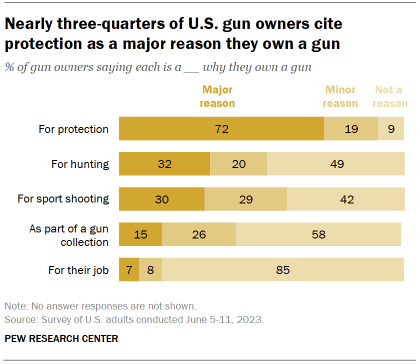
Feeling safe in your own home is something everyone deserves. If you’re considering purchasing a gun for protection, you’re not alone.
Many people are exploring this option to ensure their security. But where do you start? The process can seem daunting, especially with the various rules and choices out there. Don’t worry; we’ve got you covered. In this guide, you’ll find straightforward steps and essential tips to help you make an informed decision.
Whether you’re new to firearms or just need a refresher, this article will give you the clarity and confidence you need. Stick around, and by the end, you’ll know exactly what to do to purchase a gun responsibly and safely.

Credit: itemlive.com
Legal Requirements
Purchasing a gun for protection involves understanding legal requirements. Each country and state has specific laws governing firearm ownership. Knowing these legal aspects is essential to ensure compliance and safety. Let’s explore the primary legal requirements.
Age Restrictions
Age restrictions are crucial in gun purchases. Most places require buyers to be at least 18 years old. Handguns usually have stricter age limits, often set at 21 years. Check your local laws for specific age requirements.
Background Checks
Background checks are mandatory before buying a gun. They assess the buyer’s criminal history and mental health. This process ensures responsible ownership. Expect to provide personal information for the check. It helps prevent firearms from reaching the wrong hands.
Permits And Licenses
Permits and licenses may be necessary to own a gun. Some states require a license for all firearm purchases. Others only require permits for concealed carry. The application process can be time-consuming. Be prepared to submit documents and pay fees. Understanding these requirements is vital for legal gun ownership.
Types Of Firearms
Choosing the right firearm for protection is crucial. Understanding the different types is essential. Each type of firearm offers unique features and benefits. This section explores handguns, shotguns, and rifles. Each has its own purpose and suitability for protection.
Handguns
Handguns are compact and easy to carry. They are often favored for personal defense. Their small size makes them ideal for home protection. Handguns can fit into small spaces like a drawer or safe. They come in semi-automatic and revolver forms. Each has its advantages. Semi-automatics hold more rounds. Revolvers are simpler and more reliable. Choose based on your comfort and skill level.
Shotguns
Shotguns are powerful and versatile. They are effective for home defense. Their spread shot increases hit probability. This is useful in high-stress situations. Shotguns are less accurate over long distances. They excel in close-range scenarios. Pump-action shotguns offer reliability. They require manual loading after each shot. This can be a safety feature. It prevents accidental multiple shots.
Rifles
Rifles are precise and powerful. They are suitable for long-range protection. Rifles have longer barrels than handguns. This increases accuracy and velocity. They are often used for hunting. In a home defense scenario, rifles can be challenging. Their size makes maneuvering difficult. Consider your environment before choosing a rifle. They are perfect for outdoor and rural settings.
Choosing The Right Gun
Selecting the right gun for protection involves considering size, ease of use, and personal comfort. Research different types to find one that suits your needs. Always prioritize safety and training when buying a firearm.
Choosing the right gun for protection is crucial. It impacts safety and effectiveness. With a variety of guns available, making a choice can feel daunting. Understanding your specific needs and preferences is key. This guide helps simplify the decision-making process.
Purpose And Use
Consider why you need the gun. Is it for home defense or carrying? Home defense guns can be larger. They offer more power. For carrying, a compact size works better. It’s more discreet. Ensure the gun fits your intended use.
Ease Of Handling
Handling a gun should feel natural. Test the grip to ensure comfort. Try different sizes and weights. Choose a gun you can handle confidently. Practice at a range before buying. This ensures you can operate it safely.
Recoil And Caliber Considerations
Recoil affects shooting comfort. Some guns have strong recoil. Choose a caliber you can manage. Larger calibers have more power. But they also have more recoil. A smaller caliber might suit beginners better. Balance power with control.
Credit: www.pewresearch.org
Safety Measures
Purchasing a gun for protection requires responsibility. Safety measures are essential for ensuring peace of mind. Proper handling and understanding of firearms can prevent accidents. Let’s explore some crucial safety practices.
Safe Storage Solutions
Store guns in a locked cabinet or safe. This prevents unauthorized access. Choose a location that is dry and secure. Consider gun safes with combination locks. They offer added security. Keep ammunition separate from firearms. This reduces risks in emergencies.
Gun Safety Courses
Enroll in gun safety courses. They teach essential handling skills. Learn about safe firing practices and risk management. Experienced instructors offer valuable insights. Courses cover local laws and regulations. This knowledge is crucial for responsible ownership.
Regular Maintenance
Maintain your firearm regularly. Clean it to ensure proper function. Check for wear or damage. Replace worn-out parts promptly. Regular checks prevent malfunctions. Follow the manufacturer’s guide for maintenance. This keeps your gun reliable and safe.
Purchasing Process
Purchasing a gun for protection involves several important steps. Each step ensures safety and legality. Understanding the process helps you make informed decisions.
Finding A Licensed Dealer
Locate a licensed gun dealer in your area. Use online directories or local resources. Ensure they have a valid Federal Firearms License (FFL). This license indicates they are authorized to sell firearms. Visit the dealer to explore your options. Speak with the staff to understand their offerings.
Completing The Transaction
Once you choose a firearm, it’s time for paperwork. Provide your identification and fill out a form. The form, known as Form 4473, is vital. It collects your personal information. The dealer will conduct a background check. This check ensures you can legally own a gun. After approval, you can pay and complete the purchase.
Waiting Periods
Some states require a waiting period. This period varies based on local laws. It can be a few days or longer. The waiting period allows for additional background checks. It also gives time for reflection on the purchase. After the waiting period, you can take your firearm home.
Legal Responsibilities
Purchasing a gun for protection involves understanding your legal responsibilities. It’s not just about choosing the right firearm. Being informed about laws is crucial. Neglecting these responsibilities can lead to severe consequences. This section will guide you through essential legal aspects. Stay informed to make responsible choices.
Understanding Self-defense Laws
Self-defense laws vary by state. Know what is permitted where you live. Some states have ‘Stand Your Ground’ laws. Others follow the ‘Duty to Retreat’ rule. Understand these differences to avoid legal issues. Study local regulations to protect yourself legally.
Transporting Firearms Legally
Transporting firearms requires adherence to specific laws. Firearms must be stored securely during transport. Many states require guns to be unloaded and locked. Keep ammo separate from the weapon. Some places need a permit for transportation. Check state laws to ensure compliance.
Renewing Licenses And Registrations
Licenses and registrations require regular updates. Expired documents can lead to penalties. Always renew your gun license on time. Update registrations as necessary. This maintains your legal standing. Keeps you on the right side of the law.
Alternative Protection Options
Purchasing a gun for protection might feel overwhelming. There are alternative options to consider. These options can offer safety without involving firearms. They vary in nature and effectiveness, but each can enhance your security.
Non-lethal Weapons
Non-lethal weapons can deter threats effectively. Pepper spray is popular for its ease of use. It causes temporary blindness and irritation, providing time to escape. A stun gun can immobilize an attacker briefly. It delivers an electric shock, disrupting muscle function. Personal alarms are another option. These devices emit loud sounds to draw attention. They can disorient an attacker and summon help.
Home Security Systems
Home security systems protect your property. They offer peace of mind when you are home or away. Motion sensors can detect unusual activity. Cameras record evidence and deter intruders. Alarms alert you and the authorities of any breach. Smart doorbells allow you to see visitors remotely. You can communicate through them, adding another layer of security.
Personal Safety Strategies
Safety strategies enhance your awareness and preparedness. Learn self-defense techniques to protect yourself. They boost confidence and can be effective in emergencies. Always be aware of your surroundings. Avoid risky areas and situations whenever possible. Keep a charged phone with emergency contacts saved. Inform someone trustworthy of your whereabouts. These strategies empower you to react wisely.

Credit: shutterstock.com
Frequently Asked Questions
What Are The Legal Requirements To Buy A Gun?
To buy a gun, you must meet federal and state requirements. These often include background checks and age restrictions. Ensure you have valid identification and know your state’s specific laws. Always purchase from a licensed dealer to guarantee compliance with regulations.
How Can I Ensure Safe Gun Storage?
Safe gun storage is crucial for protection and safety. Use a secure gun safe or lockbox to prevent unauthorized access. Store ammunition separately and educate household members about gun safety. Regularly check and maintain your storage solutions for optimal security.
What Is The Process For A Background Check?
A background check involves verifying your criminal and mental health history. It’s conducted by licensed dealers before purchasing a gun. The process is usually quick, taking a few minutes to a few days. Approval is necessary before completing the purchase.
Can I Purchase A Gun Online?
Yes, you can purchase a gun online, but it must be shipped to a licensed dealer. You must complete a background check and fulfill all legal requirements at the dealer’s location before taking ownership. This ensures compliance with federal and state regulations.
Conclusion
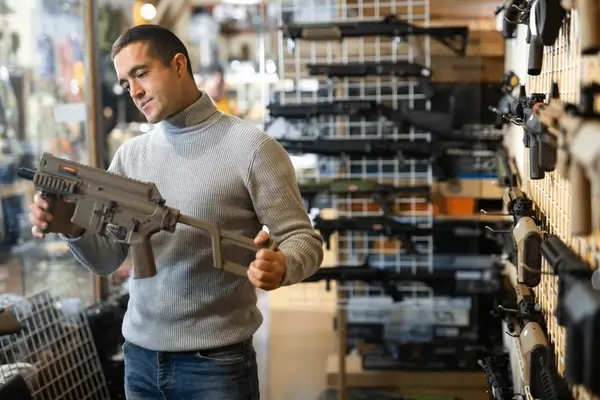
Choosing a gun for protection demands careful thought. First, know the laws. They differ by state and country. Next, consider the type of gun. Handguns are popular for self-defense. Visit a store for expert advice. Try different models. Pick one that feels right.
Safety training is crucial. Learn to handle the gun correctly. Practice regularly at a range. Ensure safe storage at home. Keep it out of reach from children. Protect yourself and others responsibly. This guide helps make informed decisions. Stay safe, stay informed, and respect the laws.