Winding your Rolex watch might seem tricky at first, but it’s actually a simple process that keeps your timepiece running perfectly. Whether you’ve just bought your Rolex or it hasn’t been worn for a while, knowing how to wind it correctly is essential.
If you want to make sure your watch stays accurate and lasts a lifetime, this guide is made just for you. Keep reading to discover the easy, step-by-step way to wind your Rolex like a pro—and avoid common mistakes that could harm your investment.
Your Rolex deserves the best care, and you’re about to learn exactly how to give it that.
Rolex Crown Basics
The Rolex crown is a key part of winding and setting your watch. It controls the watch’s movement and keeps it sealed.
Understanding the crown helps you handle your Rolex with care. This section explains the basics of the Rolex crown.
Locating The Crown
The crown is a small knob on the right side of the watch case. It sticks out slightly for easy grip. You use it to wind the watch and adjust the time.
On most Rolex models, the crown sits near the 3 o’clock mark. It is often engraved with the Rolex logo, a small coronet.
Types Of Crowns
Rolex uses different crown designs based on the watch model. The most common is the screw-down crown. It screws tightly to keep water out.
Some crowns have a twinlock or triplock system. These add extra seals for better waterproof protection. The triplock crown has three dots under the logo.
Each crown type ensures your Rolex stays safe from dust and moisture while keeping the movement precise.

Credit: www.youtube.com
Preparing To Wind
Preparing to wind your Rolex watch properly is the first step to keep it running smoothly. This process ensures the watch stays accurate and avoids damage. Handle the watch gently and with care. Follow these simple steps before winding.
Unscrewing The Crown
The crown is the small knob on the side of your Rolex. To start, turn the crown counter-clockwise. Do this slowly until it pops out slightly from the case. This releases the crown from its locked position. Be careful not to force it. Unscrewing the crown allows access to wind and set the watch.
Setting The Watch Position
Hold the watch steady in your hand. Keep it face up or tilted slightly towards you. This position helps you wind the watch easily. Avoid holding it too tightly. A relaxed grip prevents slipping or damage. Once steady, you are ready to begin winding.
Winding Process
The winding process is a vital step to keep your Rolex watch running smoothly. This process powers the movement inside the watch. It ensures accurate timekeeping. Winding a Rolex is simple but requires care. Follow these steps to do it right.
Turning The Crown Clockwise
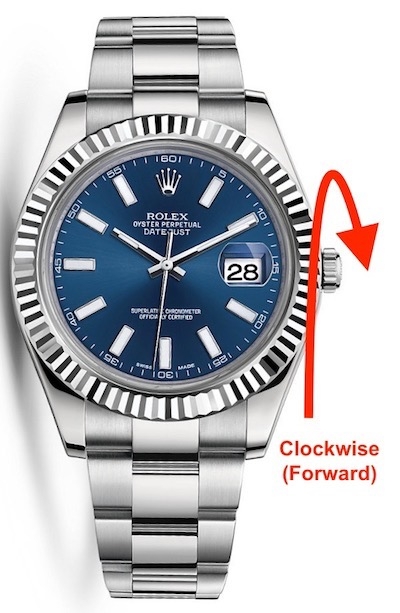
Start by locating the crown on the side of your Rolex. Gently unscrew it by turning counter-clockwise until it pops out. Then, turn the crown clockwise to wind the watch. Each turn tightens the mainspring inside, storing energy. Keep turning slowly and steadily for best results.
Feeling For Resistance
As you wind, pay attention to the feel of the crown. At first, it will turn easily with little resistance. Gradually, you will feel more tension. This signals the mainspring is fully wound. Stop winding once you sense firm resistance to avoid damage. Do not force the crown beyond this point.
Recommended Number Of Turns
Rolex watches typically need about 20 to 30 turns for a full wind. This amount gives enough power to run the watch for about two days. Overwinding is not possible but winding beyond resistance can harm the watch. Winding daily ensures your Rolex stays accurate and ready to wear.

Credit: www.youtube.com
Adjusting Time And Date
Adjusting the time and date on your Rolex watch is essential for accurate timekeeping. This process ensures your watch shows the correct hour and calendar day. Proper adjustment helps maintain the watch’s performance and longevity.
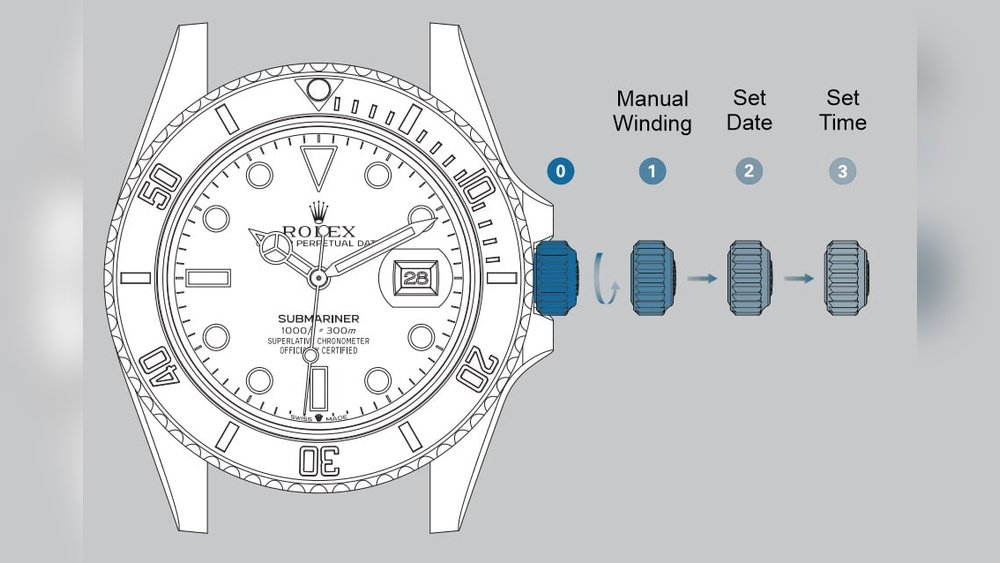
Rolex watches use a crown to set both time and date. The crown must be handled carefully to avoid damage. Understanding how to pull and turn the crown is key for correct adjustments.
Pulling The Crown To Set Time
First, gently unscrew the crown by turning it counter-clockwise. Pull the crown out to the second notch. This position allows you to set the time precisely. Turn the crown clockwise or counter-clockwise to move the hands. Set the hour and minute hands to the desired time. Push the crown back in when done. Screw it tightly to keep the watch water-resistant.
Quick-setting The Date
Unscrew and pull the crown to the first notch. This position adjusts the date quickly. Turn the crown clockwise to change the date one day at a time. Avoid changing the date between 8 PM and 4 AM to prevent damage. After setting the date, push the crown back and screw it down firmly. This seals the watch and protects it from dust and water.
Securing The Crown
The crown is a crucial part of your Rolex watch. It controls winding, time setting, and protects the watch’s inner workings. Securing the crown properly ensures your watch stays safe and waterproof. Follow these steps carefully to keep your Rolex in top condition.
Pushing The Crown Back
After winding or adjusting, push the crown gently towards the case. This action re-engages the watch’s movement. Make sure the crown fits snugly against the case without forcing it. A loose crown can allow dust and moisture inside. Always check that it sits flush to avoid damage.
Screwing Down For Waterproofing
Rolex watches often have screw-down crowns to maintain water resistance. Turn the crown clockwise while pressing it lightly against the case. Screw it down until it feels tight and secure. Do not overtighten, as it can damage the threads. This step keeps water and dust out, protecting your watch’s delicate parts.
Automatic Winding Explained
Rolex watches often feature automatic winding, a smart system that powers the watch using wrist movement. This means the watch winds itself as you wear it. No need for daily manual winding if worn regularly. The mechanism uses a rotor inside the watch that spins with your arm’s motion. This energy stores in the mainspring, keeping the watch running smoothly.
Understanding how automatic winding works helps you care for your Rolex better. It also shows why wearing your watch daily keeps it accurate. Let’s explore the rotor’s role and the benefits of daily wear.
How The Rotor Works
The rotor is a small, semicircular weight inside the watch. It moves freely with your wrist motions. As it spins, it winds the mainspring, which powers the watch. The rotor can spin both ways. Each movement adds energy to the spring. This means even small wrist movements help keep the watch running. The rotor is silent and does not affect the watch’s design.
Benefits Of Daily Wear
Wearing your Rolex every day keeps the automatic winding active. This prevents the watch from stopping. Daily motion ensures the mainspring stays wound. It also maintains the watch’s accuracy. If you don’t wear the watch often, it may stop and need manual winding. Regular wear reduces the need to reset the time and date. It also helps preserve the watch’s internal parts by keeping them in motion.
Common Mistakes To Avoid
Winding a Rolex watch seems simple but many make avoidable mistakes. These errors can affect the watch’s performance and longevity. Understanding common mistakes helps keep your Rolex in top shape. Here are two key errors to watch out for.
Overwinding Myths
Many believe you can damage a Rolex by winding it too much. This is not true. Rolex watches have built-in mechanisms to stop overwinding. Turning the crown about 30 to 40 times is enough to fully wind the watch. Excess winding will not harm the movement but is unnecessary. Stop winding once you feel resistance. This prevents any undue stress on the crown and stem.
Ignoring Crown Tightness
The crown must be properly screwed down after winding. Leaving it loose exposes the watch to dust and water damage. Always push the crown back gently and turn it clockwise until tight. This seals the watch case and preserves its waterproof feature. A loose crown can let moisture enter, leading to costly repairs. Check crown tightness every time after winding or setting the time.
Maintaining Your Rolex
Maintaining your Rolex watch ensures it runs smoothly and lasts longer. Proper care keeps its precision and appearance intact. Regular attention to winding and servicing protects your investment.
Regular Winding Tips
Wind your Rolex daily if you do not wear it often. Turn the crown clockwise gently about 30 to 40 times. Stop if you feel resistance to avoid overwinding. Keep the crown screwed down tight after winding. This protects the watch from dust and water.
If worn daily, the watch’s automatic rotor keeps it wound. Manual winding is only needed after the watch stops or sits unused for days.
When To Service Your Watch
Rolex recommends servicing every 5 to 10 years. Service includes cleaning, lubrication, and checking all parts. Regular servicing prevents wear and keeps the watch accurate. Always use an authorized Rolex service center for repairs. Proper maintenance maintains value and performance.
Troubleshooting Winding Issues
Troubleshooting winding issues is key to keeping your Rolex watch working perfectly. Problems with winding can cause the watch to stop or lose time. Identifying these problems early helps protect your watch from damage. Below are common winding issues and how to spot them.
Watch Not Starting
If your Rolex does not start after winding, the crown may not be fully unscrewed. Make sure to turn it counter-clockwise until it pops out before winding. Winding too fast or too slow can also affect the movement. Try to wind the crown gently and steadily about 20-30 times. If the watch still does not start, it may need professional servicing.
Inconsistent Timekeeping
When your Rolex runs fast or slow, winding may be uneven. The watch needs a consistent power reserve to keep accurate time. Manual winding should be done fully until you feel resistance. Wearing the watch daily helps the automatic rotor maintain power. If timekeeping remains inconsistent, dirt or worn parts could be the cause. A watchmaker can clean and calibrate the movement for better accuracy.
Credit: www.hinghamjewelers.com
Frequently Asked Questions
How Do You Properly Wind A Rolex Watch?
Unscrew the crown by turning it counter-clockwise until it pops out. Wind the crown clockwise about 20-30 turns. Stop when you feel resistance. Push and screw the crown back tightly to secure waterproofness. Avoid overwinding to protect the movement.
How Many Turns To Fully Wind A Rolex?
Fully wind a Rolex by turning the crown clockwise about 30 to 40 times. Stop when you feel resistance.
Is It Okay To Manually Wind A Rolex?
Yes, you can manually wind a Rolex. Unscrew the crown, turn it clockwise about 30-40 times, then screw it back to maintain waterproofness. Manual winding keeps the watch running if not worn daily. Avoid overwinding by stopping when you feel resistance.
What Is Considered A Poor Man’s Rolex?
A “poor man’s Rolex” refers to affordable watches that mimic Rolex style and quality but cost much less. Common examples include Seiko, Invicta, and Orient models.
Conclusion
Winding a Rolex watch keeps it running smoothly and accurately. Always turn the crown gently to avoid damage. Remember to screw the crown back tightly to protect the watch. Regular winding helps maintain your watch’s performance. Wearing it daily reduces the need for manual winding.
Follow these simple steps to care for your Rolex well. Enjoy the precision and beauty of your timepiece every day.